Paraguay’s Ousted President Questioned in Ueno Bank Probe
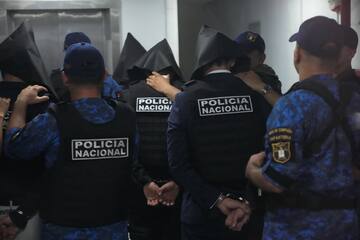
Paraguay’s former president Santiago Peña went to the attorney general’s office for questioning on November 7, hours after Congress removed him from office. Prosecutors had ordered his arrest the previous day as part of an investigation into the collapse of Ueno Bank and alleged breach of trust and other offenses. Former Central Bank chief Carlos Carvallo was also named in the arrest order.
The Senate voted unanimously to remove Peña after regulators seized the bank on November 4, freezing access to savings for nearly 3 million customers. Peña was taken to a military base late on November 6. Vice President Pedro Alliana replaced him and began appointing a Cabinet on November 7.
Lawmakers accused Peña of using his influence to direct vast sums of public money to Ueno while regulators failed to address risky lending to insiders. Peña has denied wrongdoing. He had offered to resign on November 5, but Congress rejected that route and held an impeachment trial, with opponents arguing that removal would prevent him from leaving office with immunity.
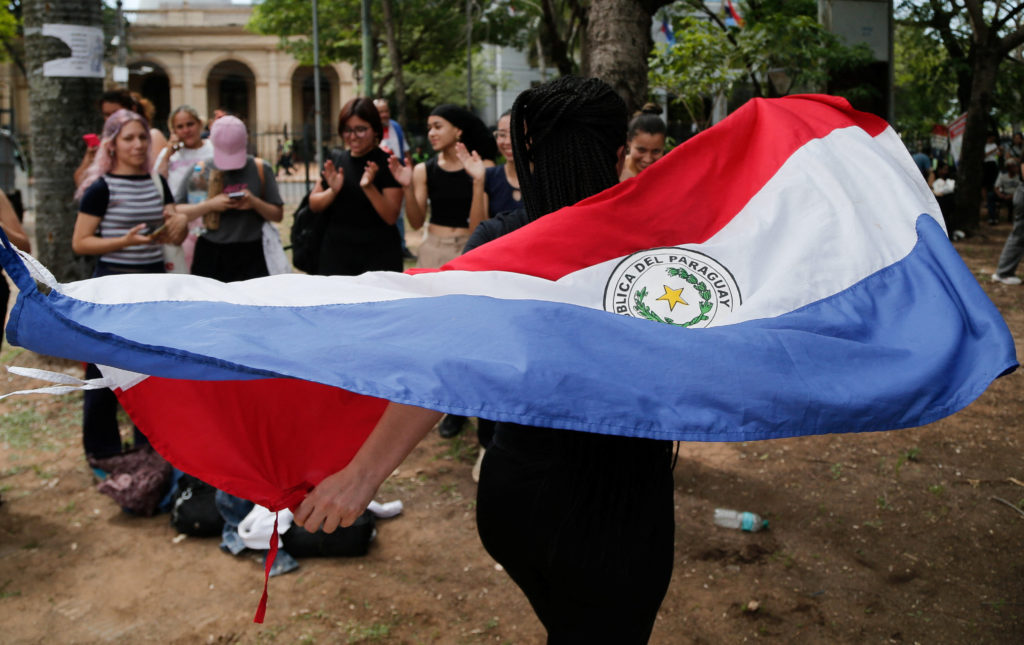
The Central Bank said 1.2 million customers had received some or all of their insured deposits back. Thousands of people have protested over frozen savings and demands for accountability, and clashes with police this week included the use of rubber bullets and pepper spray.
Paraguay’s largest teachers’ union, with more than 40,000 members, plans to start an indefinite nationwide strike on November 9, seeking safeguards for public pension funds. Peña said in a farewell message that he hoped his departure would prevent further division and instability.
Ueno Collapse Brings Accountability Fight to Paraguay’s Presidency
Paraguay’s removal of Santiago Peña puts public accountability at the center of a crisis that has frozen savings for nearly 3 million Ueno Bank customers. Prosecutors questioned the former president on November 7, after Congress voted unanimously to remove him and prosecutors ordered his arrest in an investigation involving alleged breach of trust and other offenses.
Lawmakers accused Peña of directing vast public resources toward Ueno while regulators overlooked risky insider lending. He denies wrongdoing. The Central Bank said 1.2 million customers had received partial or full repayment of insured deposits, while thousands have taken to the streets demanding access to their money and accountability for the bank’s failure.
Congress rejected Peña’s resignation and proceeded with an impeachment trial. Opposition lawmakers said removal was necessary to stop him from leaving office with immunity. The case now moves into a criminal investigation, with former Central Bank chief Carlos Carvallo also subject to an arrest order.
Vice President Pedro Alliana took over and began naming a Cabinet on November 7. But the change in leadership has not ended public pressure: police and protesters clashed this week, and the country’s largest teachers’ union plans an indefinite national strike beginning November 9 to demand protection for public pension funds. The crisis tests whether those responsible for the collapse will face consequences as ordinary customers wait for their savings.
Peña’s Removal Deepens Paraguay’s Crisis as Bank Probe Proceeds
Paraguay has removed its president amid a bank crisis, public anger and a criminal investigation whose allegations Peña rejects. Prosecutors questioned him on November 7 after ordering his arrest the previous day; former Central Bank chief Carlos Carvallo was also included in the order. The investigation concerns alleged breach of trust and other offenses linked to Ueno Bank’s collapse.
The Senate voted unanimously to oust Peña after regulators seized the bank, cutting nearly 3 million customers off from their savings. Lawmakers alleged that Peña used political influence to channel vast public resources to Ueno while risky insider lending went unchecked. Peña has denied wrongdoing, and the allegations remain the subject of an investigation.
Peña submitted his resignation on November 5, but Congress rejected it and proceeded with an impeachment trial. Opposition lawmakers said they wanted to ensure he could not leave office with immunity. Vice President Pedro Alliana has taken over and began selecting a Cabinet on November 7.
The Central Bank said 1.2 million customers had received some or all of their insured deposits. Yet demonstrations over the frozen accounts have continued, with clashes involving police this week. A teachers’ union plans an indefinite strike from November 9 over protection of public pension funds. The upheaval now combines a fight over bank oversight with a consequential test of political accountability and the handling of a president who denies the accusations against him.
Reported by The Philadelphia Inquirer, PBS NewsHour.