Paraguay Opens Criminal Probes Into Peña and Ueno Bank Collapse
Paraguay’s chief prosecutor, Emiliano Rolón Fernández, launched three criminal inquiries on November 5 into the collapse of Ueno Bank. The inquiries will examine government oversight of the lender, how officials responded to its failure and the use of public money deposited at the bank. Prosecutors specializing in economic crime and corruption will investigate complaints filed by lawmakers and Finance Minister Óscar Lovera.
The investigations began as Congress considered whether to accept President Santiago Peña’s resignation or reject it and proceed with impeachment. The lower house had approved impeachment charges over an alleged conflict of interest connected to the bank’s collapse. If the resignation is rejected, the case would go to the Senate, where conviction and removal require a two-thirds majority.
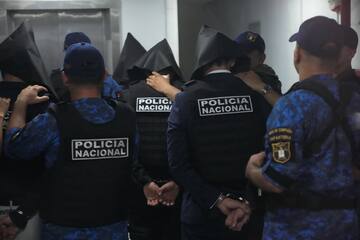
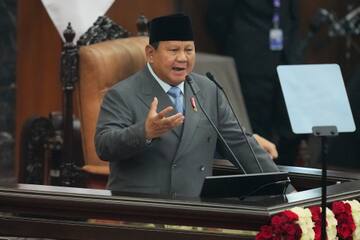
Peña announced his resignation in a video, saying he acted to protect stability and democratic institutions. Until last year, he owned part of a firm associated with Ueno. The bank’s failure prompted protests, froze customers’ savings and left workers seeking unpaid wages. Eight bank executives and senior officials have been detained, including its president, Juan Manuel Gustale, and former Peña business associate Federico Miguel Vázquez.
Ueno was placed under central-bank control over solvency problems. By September, it had about $850 million in public deposits, including roughly $380 million from the state pension and health fund. Its rapid growth and public-sector ties have intensified scrutiny of the relationship between government, regulators and the lender.
Ueno Collapse Puts Paraguay’s Government Ties Under Criminal Scrutiny
The collapse of Ueno Bank has now triggered criminal investigations into the government’s oversight, its handling of the bank’s failure and the flow of public funds into the lender. Paraguay’s chief prosecutor ordered three probes on November 5, with economic-crime and corruption prosecutors examining complaints from lawmakers and Finance Minister Óscar Lovera.
The stakes extend beyond a failed bank. Ueno held about $850 million in public deposits by September, including funds from the state pension and health system. Until last year, Peña owned part of a firm associated with the bank, and he appointed the predecessor lender’s president to lead the central bank, the agency responsible for supervision.
Peña resigned as Congress debated whether to accept his departure or continue impeachment proceedings over an alleged conflict of interest. The lower house had approved charges, and a Senate trial could follow if lawmakers reject the resignation. Eight Ueno executives and senior officials have been detained.
For customers whose savings were frozen and workers seeking unpaid wages, a resignation alone does not answer how the bank grew so large while public money flowed into it. The investigations must scrutinize the oversight and decisions that allowed those ties to persist; the public deserves accountability, not simply a change in officeholder.
Paraguay’s Bank Crisis Tests Due Process as Peña Faces Probes
Paraguay’s attorney general has ordered three criminal investigations into Ueno Bank’s collapse, probing official oversight, the government’s response and public deposits at the lender. The inquiries will examine complaints filed by lawmakers and Finance Minister Óscar Lovera, as Congress decides whether to accept President Santiago Peña’s resignation or press ahead with impeachment.
The lower house approved impeachment charges over an alleged conflict of interest. If Peña’s resignation is rejected, the case would move to the Senate, where conviction requires a two-thirds majority. That decision matters: lawmakers must establish responsibility through the constitutional process, not treat allegations as a verdict.
The bank’s failure has serious consequences. Ueno held about $850 million in public deposits by September, including roughly $380 million from the state pension and health fund. Customers’ savings were frozen, workers faced unpaid wages and eight bank executives and senior officials were detained. Prosecutors will also examine how the lender was supervised and how its failure was handled.
Peña said he was stepping down to preserve stability and democratic institutions. The investigations should establish what officials knew and did, while Congress determines the resignation and impeachment questions through its procedures. The scale of the crisis demands answers, but accountability depends on evidence and a fair process.
Reported by The Philadelphia Inquirer, Local 10 Miami.