Ueno Bank Collapse Triggers Impeachment Push Against Paraguay’s President
Ueno Bank’s collapse has left customers unable to use its app, cards or transfers and thrown Paraguay into a political crisis. The central bank said an examination found poorly documented loans to companies linked to the bank’s owners and expenses improperly recorded as assets. After corrections, the lender’s capital fell to less than half the required minimum. Authorities seized it on Tuesday and plan to transfer customer accounts and valuable assets to other banks before liquidating what remains.
Ueno had more than 60% of Paraguay’s adults among its customers and held about $800 million in public deposits last month. The government has begun arranging new accounts for about 280,000 people who banked only with Ueno, and Peña approved emergency payments. Officials say deposits up to 228 million guaranies, about $37,400, are guaranteed, with 15 days to return them. The central bank’s interim chief, Pedro Acosta Bernal, said the wider banking system was sound.
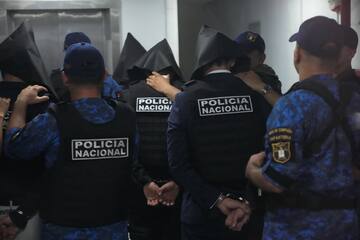
The bank’s links to Peña have intensified scrutiny. He had held a stake in its holding company until selling it in 2025, and appointed Carlos Carvallo, a former leader of Ueno’s predecessor, to head the central bank. Carvallo resigned at Peña’s request. Eight senior Ueno figures, among them founder Miguel Vázquez and the bank’s president, Juan Manuel Gustale, have been detained; prosecutors charged 27 bank officials and associates on charges such as breach of trust and attempted fraud.
Hundreds of depositors, retirees, students and workers protested in Asunción on Wednesday, demanding their money and Peña’s impeachment. Police deployed pepper spray and rubber pellets to disperse the crowds. On November 5, both major Colorado Party factions in the lower house backed an impeachment debate after party leader and former president Horacio Cartes withdrew support for Peña. Impeachment would require two-thirds support in the lower house and then the Senate to remove him. Ueno employees also protested over unpaid wages and severance.
Ueno Collapse Exposes Paraguay’s Regulatory Conflicts
Ueno Bank’s failure has put ordinary depositors at risk while raising urgent questions about political ties and financial oversight in Paraguay. The central bank found loans to companies linked to Ueno’s owners that were poorly documented, along with expenses wrongly counted as assets. After adjustments, the bank’s capital fell below half the legal minimum, and regulators seized it.
The conflict-of-interest concerns are hard to ignore: Peña had owned a stake in Ueno’s holding company until 2025, then appointed Carlos Carvallo, a former head of Ueno’s predecessor, to lead the central bank responsible for supervision. Carvallo resigned at Peña’s request. Eight senior bank figures were detained, and prosecutors charged 27 officials and associates on charges such as breach of trust and attempted fraud.
Ueno held about $800 million in public deposits last month and served more than 60% of Paraguay’s adults. Customers were locked out of the app, cards and transfers as the government arranged new accounts and emergency payments. Protests in Asunción demanded the return of savings and Peña’s impeachment; police deployed pepper spray and rubber pellets to disperse the crowds.
The Colorado Party’s two main lower-house factions backed an impeachment debate on November 5, after party leader Horacio Cartes withdrew his support for Peña. The president promised to protect deposits, but promises cannot substitute for independent oversight. Impeachment needs two-thirds support in both chambers to remove him.
Paraguay’s Bank Crisis Must Not Become a Political Shortcut
The collapse of Ueno Bank has shaken Paraguay’s financial system, but the immediate priority is protecting depositors and keeping the crisis contained—not turning public anger into a rush to remove the president. Regulators say Ueno’s capital dropped to less than half the legal minimum after they corrected poorly documented lending and expenses recorded as assets. The bank was seized, and officials have begun arranging replacement accounts and emergency payments.
The scale is serious: Ueno had more than 60% of Paraguay’s adults as customers and held about $800 million in public deposits last month. Authorities say deposits up to 228 million guaranies, roughly $37,400, are guaranteed, and the central bank’s interim chief has said the broader banking system is sound.
Peña’s past stake in Ueno’s holding company and his appointment of former Ueno predecessor chief Carlos Carvallo to lead the central bank have drawn criticism. Carvallo resigned at Peña’s request. Eight senior Ueno figures were detained, while prosecutors charged 27 bank officials and associates on charges such as breach of trust and attempted fraud. Those allegations require due process, not assumptions of guilt.
On November 5, both major Colorado Party factions backed an impeachment debate after party leader Horacio Cartes withdrew support for Peña. Removing the president would require two-thirds votes in both the lower house and Senate. Depositors need a credible resolution and sound supervision; a political contest alone will not restore access to their money.