Paraguay’s Peña Resigns Amid Bank Crisis and Impeachment Push
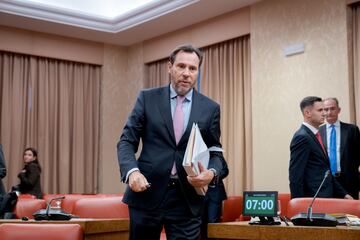
Peña said he was leaving office in a video shared on X, explaining that he wanted to safeguard Paraguay’s stability and democratic institutions. He apologized to the public but did not accept responsibility for the banking crisis, and said recovering depositors’ savings remained a priority.
The resignation came days after regulators seized Ueno Bank, a major digital lender, and as Paraguay’s lower house was preparing to debate impeachment. Members of Peña’s Colorado Party had turned against him, with both main factions backing the move after party leader and former president Horacio Cartes withdrew his support.
The bank’s collapse shook the country’s financial system. Ueno had said it served more than 60% of Paraguay’s adults and held about $800 million in public deposits as of last month. Regulators found poorly documented loans to companies linked to the bank’s owners, as well as expenses wrongly counted as assets. After corrections, Ueno’s capital fell below half the legal minimum.
The central bank said it would transfer customer accounts and remaining valuable assets to other banks before liquidating the rest. Ueno’s app, cards and transfers stopped working, leaving customers unable to access their money. Authorities said they had begun repaying depositors and opening accounts at other banks for about 280,000 customers who held accounts only at Ueno.
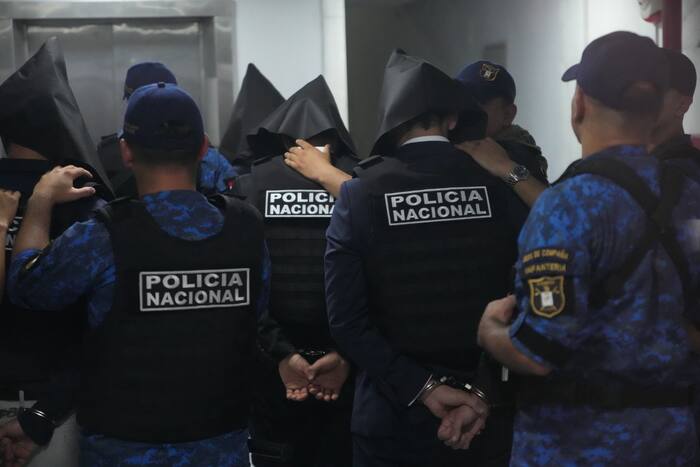
Before resigning, Peña had approved emergency payments and appointed a new central bank chief. Eight senior Ueno executives had been detained. Impeachment needed approval from two-thirds of the lower house to move to the Senate, where a further two-thirds majority was required to oust the president.
Peña’s Resignation Follows Paraguay Bank Crisis and Party Revolt
Peña’s resignation came after a bank crisis left customers unable to reach their savings and exposed the risks of close ties between political power and financial oversight. He said he was stepping down to preserve stability and democratic institutions, apologized to the public, but did not take responsibility for the crisis.
Ueno Bank had grown into a major digital lender, with more than 60% of Paraguay’s adults among its customers and about $800 million in public deposits last month. Regulators found poorly documented loans to companies linked to its owners and expenses improperly counted as assets. Correcting the books left its capital below half the legal minimum.
The collapse triggered protests and a revolt within Peña’s Colorado Party. Both major party factions in the lower house backed impeachment after former president and party leader Horacio Cartes withdrew his support. The episode raises questions about how a lender linked to Peña grew so quickly while warnings about its lending practices were raised.
Authorities said they had begun repaying depositors and arranging accounts at other banks for about 280,000 people who banked only with Ueno. The government had approved emergency payouts, and eight senior bank executives had been detained. Impeachment needed a two-thirds vote in the lower house to proceed to the Senate, where a similar majority was required to remove Peña.
Paraguay’s Political Crisis Deepens as Peña Resigns
Paraguay’s banking turmoil rapidly became a political crisis, with President Santiago Peña resigning as lawmakers prepared to consider impeachment. Peña said his departure was meant to protect national stability and democratic institutions. He apologized to the public but did not accept responsibility for the bank’s failure.
Regulators seized Ueno Bank after finding poorly documented lending to companies linked to its owners and expenses wrongly listed as assets. The corrections left the lender with less than half the capital required by law. Ueno had held about $800 million in public deposits and said it served more than 60% of Paraguay’s adults.
The Colorado Party’s two main factions in the lower house backed impeachment after party leader Horacio Cartes withdrew support for Peña. The proceedings required a two-thirds lower-house vote to reach the Senate, followed by another two-thirds vote to remove the president.
Authorities said they had started paying depositors and opening accounts at other banks for about 280,000 customers who had used only Ueno. Peña had approved emergency payouts and named a new central bank chief before resigning. Eight senior Ueno executives were detained as the process of shifting accounts and assets to other banks began.
Reported by KPRC 2 Click2Houston, CNN.