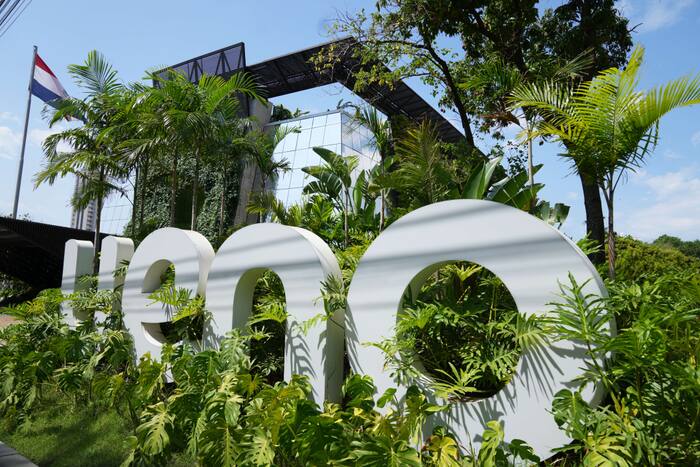
Paraguay Seizes Ueno Bank as Millions Face Uncertainty
Paraguay’s central bank took control of Ueno Bank on November 3, beginning a process to wind down the digital lender after its solvency ratio fell below half the legally required minimum. The bank says it serves about 3 million customers and manages $800 million to $850 million in public funds, including about $380 million invested by the state pension and health fund, IPS.
Resolution allows regulators to move deposits to more stable banks before selling remaining assets to repay creditors. The central bank said it would appoint officials to assess Ueno’s finances, safeguard its assets and investigate the causes of its deterioration. It said the problems were confined to Ueno and would not affect the wider financial system.
Customers’ access to the bank’s services, app and cards was halted after the announcement, prompting people to seek transactions at branches and online. The central bank said deposits are guaranteed up to 228 million guaraníes, about $38,000, with payment required within 15 days, subject to a possible 15-day extension. It has not promised full repayment of larger balances.
The intervention brings renewed scrutiny of President Santiago Peña’s past business ties to the conglomerate that owns Ueno. Peña remained a business partner of Grupo Vázquez until March 2025, though he and Ueno deny wrongdoing. After taking office in 2023, he appointed Carvallo, Ueno’s former head, to run the central bank. Carvallo said he had recused himself from Ueno-related decisions and that his resignation was signed.
IPS finance manager Gladys Vera said retirees would receive their usual payments this month because that money is held at another bank. The fund plans legal action to recover its investment and will seek another bank for 32,000 pensioners who receive payments through Ueno.
Ueno Seizure Puts Peña’s Bank Ties Under Scrutiny
A lender with deep connections to President Santiago Peña has collapsed into regulatory resolution, leaving millions of customers unable to use Ueno Bank’s services and raising fresh questions about the safeguards around public money. The central bank acted on November 3 after Ueno’s solvency fell below half the legal minimum.
Ueno says it serves about 3 million customers and manages $800 million to $850 million in public funds. Some $380 million belongs to IPS, the state pension and health fund. The central bank has guaranteed deposits only up to 228 million guaraníes, about $38,000, and has not promised full repayment for larger balances.
The episode sharpens scrutiny of Peña’s connections to the bank’s owner. He was a business partner of Grupo Vázquez until March 2025 and, after taking office in 2023, named Ueno’s former head, Carlos Carvallo, to run the central bank. Critics had called that appointment a conflict of interest. Peña and Ueno deny wrongdoing; Carvallo says he recused himself from decisions involving the bank and has signed his resignation.
Regulators say they will assess Ueno’s finances, protect its assets and investigate what caused the deterioration. That process may transfer deposits to more stable banks before remaining assets are liquidated, but customers with balances above the guarantee still face uncertainty. IPS says retirees’ usual payments will continue this month because the money for them is held elsewhere; it plans legal action to recover its investment.
Regulators Move to Contain Ueno’s Financial Collapse
Paraguay’s central bank stepped in to manage a failing digital lender whose troubles put millions of account holders and a large amount of public money at risk. Ueno’s solvency ratio fell below half the required minimum, prompting regulators to begin resolution on November 3.
The central bank says the process is designed to protect depositors and preserve financial stability. Resolution can move deposits to stronger banks before remaining assets are sold to repay creditors. Regulators say Ueno’s problems are confined to the bank, not the wider financial system, and plan to assess its finances, protect assets and investigate responsibility for its decline.
The scale of Ueno’s customer base makes an orderly response crucial: the bank says it serves about 3 million people and manages $800 million to $850 million in public funds. Deposits are guaranteed up to 228 million guaraníes, about $38,000. The regulator has not promised full repayment above that amount. Ueno’s app, cards and other services were inactive after the intervention.
Political criticism has centered on President Santiago Peña’s past business relationship with Grupo Vázquez, Ueno’s owner, and his selection of former Ueno head Carlos Carvallo to run the central bank. Peña and Ueno deny wrongdoing. Carvallo says he recused himself from Ueno decisions and that his resignation is signed. The central bank’s immediate task is to manage the bank’s failure while limiting harm to customers and the financial system.
IPS finance manager Gladys Vera said pension payments would proceed as usual this month because the payment funds are held at another bank. IPS plans legal action to recover its investment and will find another bank for 32,000 retirees who receive pensions through Ueno.
Reported by WTOP.