Prediction Markets Outperformed Polls on Midterm Winners
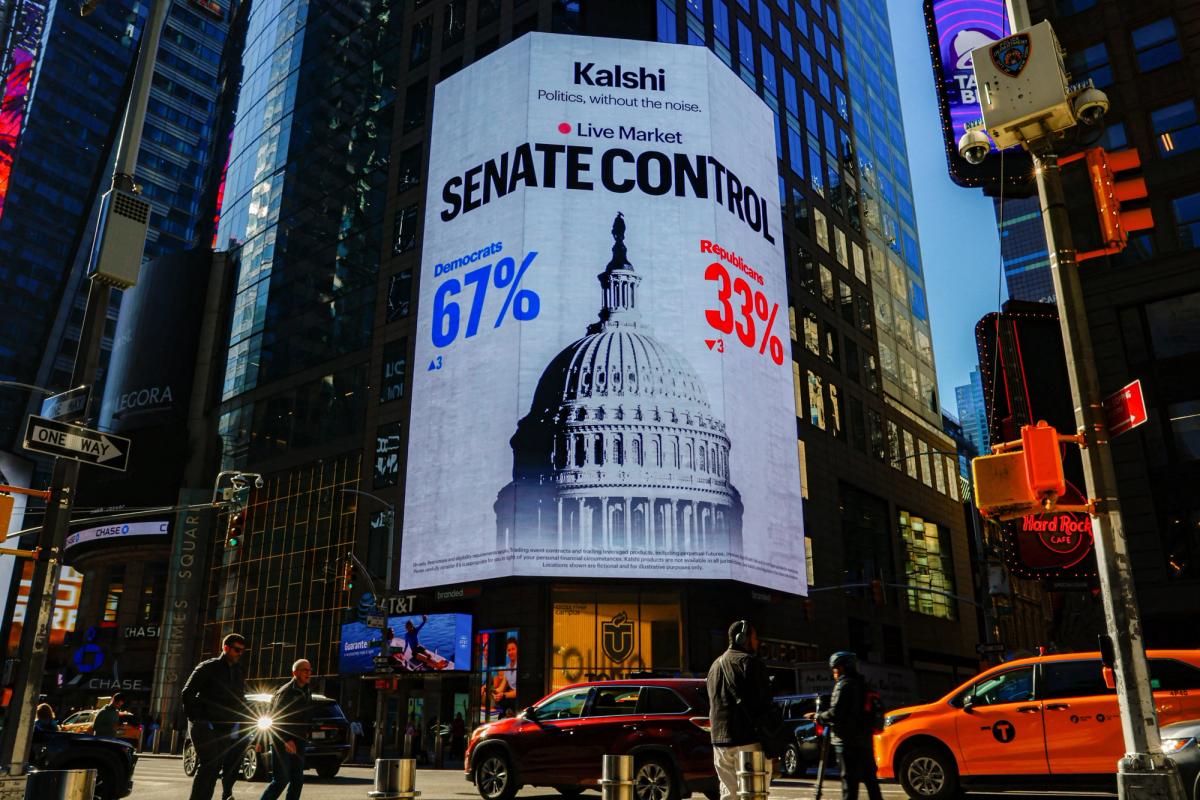
Prediction markets had a strong election night, correctly favoring the winners in nearly every major race for which they issued final forecasts. Kalshi and Polymarket both backed Democratic Senate candidates, with Texas’ James Talarico, Maine’s Troy Jackson, Michigan’s Abdul El-Sayed and Ohio’s Sherrod Brown all prevailing. The markets also favored the winners in the Ohio and Texas governor’s contests, including Gina Hinojosa’s victory over Republican Greg Abbott in Texas.
Late polling often captured which way contests were leaning, but was less dependable on the size of candidates’ leads. In Maine, polls had Jackson ahead by 3 to 9 points, and he won by about 8. For the Texas Senate contest, Talarico led in most polling, though his victory margin was larger than many surveys indicated.
Georgia was a notable polling miss: several late surveys placed Republican Rick Jackson in front of Democrat Keisha Lance Bottoms, or had the race tied, but Bottoms won by roughly 8 points. Polls in Texas’ governor’s race also varied, with some putting Abbott ahead and others giving Hinojosa a narrow lead.
The markets were not right across the board. They missed surprises including Senate wins for Democrats in Iowa and South Carolina, while Alaska’s Senate contest remained unresolved as ranked-choice ballots were counted. Election-contract trading on down-ballot races reached $1.8 billion, nearly five times the 2024 cycle’s volume, although sports and cryptocurrency trading remained much larger. Overall, markets proved more consistent at picking winners; polls offered a better sense of how close contests might be.
Markets Beat Polls as Democrats Won Decisive Midterm Victories
The clearest election-night takeaway is that prediction markets identified Democratic winners in major contests more consistently than late polls did. Kalshi and Polymarket both favored the Senate candidates who won: Troy Jackson of Maine, Sherrod Brown of Ohio, James Talarico of Texas and Abdul El-Sayed of Michigan. They also favored Democratic winners in the Ohio and Texas governor’s races.
Polls often pointed in the right direction, but several understated the scale of Democratic support. Georgia offered the sharpest example: some late surveys put Republican Rick Jackson in front of Democrat Keisha Lance Bottoms, while another had the race tied. Bottoms won by roughly 8 points. In Texas, polls split over whether Republican Greg Abbott or Democrat Gina Hinojosa was ahead; Hinojosa won.
The markets were not flawless, missing surprises such as Senate wins for Democrats in Iowa and South Carolina. But their stronger record on winners stands out, while the polling misses show the limits of treating close pre-election estimates as a reliable measure of the electorate’s final choice.
Down-ballot election trading volume reached $1.8 billion, nearly five times the 2024 cycle’s total. The result adds to the markets’ growing reach, even as sports and cryptocurrency bets remain much larger. The election showed why their forecasts draw attention: in key races, they offered a clearer read on who would win than polls did.
Election Forecasts Picked Winners, but Markets Still Missed Races
Prediction markets were better than late polls at identifying winners in major midterm races, but their record was no guarantee of a complete picture. Kalshi and Polymarket backed the eventual winners in key Senate contests in Texas, Maine, Michigan and Ohio, and also favored the winners in Ohio’s and Texas’ governor’s races.
Polls were often useful for showing the direction of a race, but their estimates of margins could be badly off. In Georgia, a number of late surveys put Republican Rick Jackson in front of Democrat Keisha Lance Bottoms, or had the contest tied; Bottoms won by roughly 8 points. Texas polls also disagreed over whether Republican Greg Abbott or Democrat Gina Hinojosa was leading. Hinojosa won.
Markets, too, missed surprises, including Democratic victories in the Iowa and South Carolina Senate races. That is a reminder that probability forecasts are not certainties, even when they outperform polling on the question of who will prevail. Alaska’s Senate race was still unresolved, with final results expected to take several days under ranked-choice voting.
Down-ballot election-contract trading grew nearly fivefold from 2024, reaching $1.8 billion. Yet sports and cryptocurrency bets still dwarf election activity. The markets may be expanding their reach, but election night showed both their value and their limits: forecasts can help assess a contest without settling every race or replacing the count.
Reported by Semafor, FOX 10 Phoenix, Daily Mail US.