Democrats’ Early Gains Fuel ‘Blue Tsunami’ Talk and DEI Memes
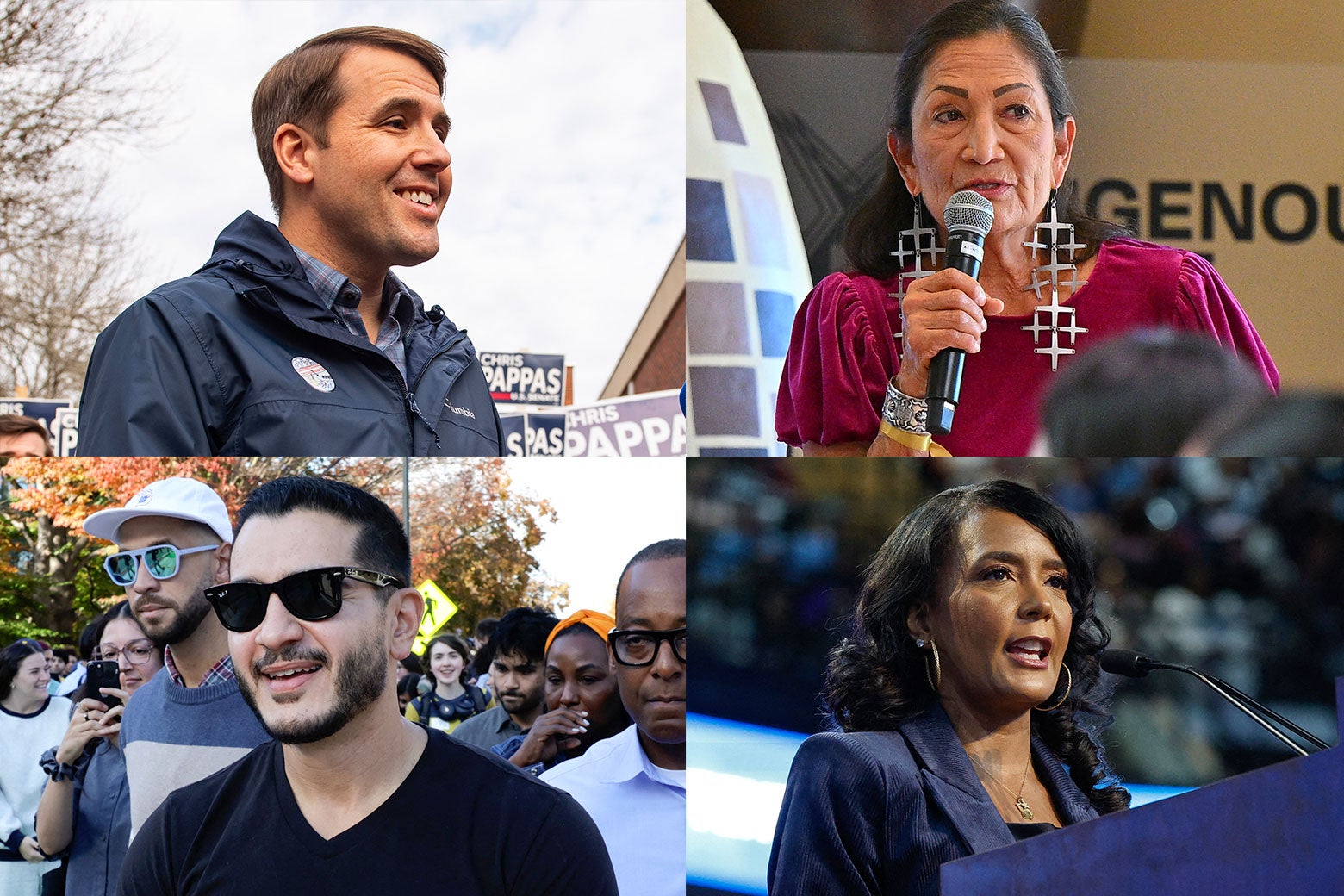
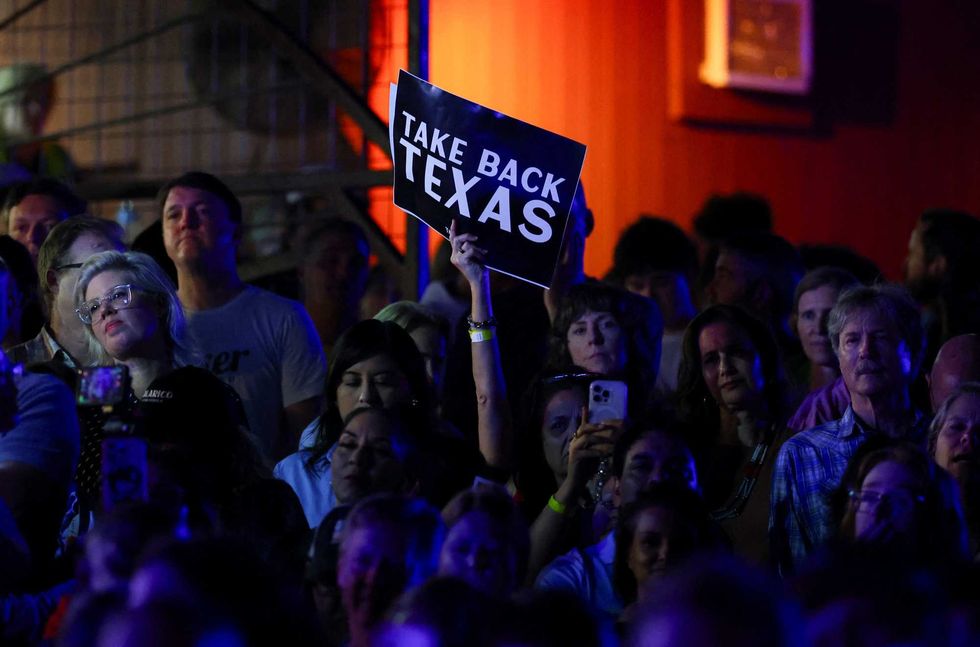
Early midterm results on November 3 pointed to Democratic gains in races across the country, prompting political analysts and social media users to describe the night as a potential “blue tsunami.” The results included Democrat Roy Cooper flipping North Carolina’s Senate seat, and former Atlanta Mayor Keisha Lance Bottoms being projected to win Georgia’s governor’s race. Jon Ossoff also won reelection in Georgia, while Democrats flipped a South Carolina Senate seat and James Talarico was projected to win in Texas, according to the early results cited in the reports.
Reactions online ranged from surprise to celebration. Some users turned the apparent Democratic momentum into jokes about diversity, equity and inclusion, including posts calling for workers to restore pronouns to email signatures and social media bios. New York City Council member Chi Ossé also called for pronouns to return to bios in response to favorable projections for Talarico.
The jokes reflected a wider shift in the political climate around DEI. After Donald Trump’s 2024 victory, the federal government and companies pulled back from some DEI efforts. Some employers asked staff to remove pronouns from email signatures, while others publicly scaled back diversity initiatives and goals. Many companies continued diverse hiring practices without emphasizing the DEI label.
Democratic gains could hearten companies that maintained their initiatives, while the online posts underscore how quickly workplace norms have become part of the political conversation. The jokes were not evidence that companies would reverse course, but they captured users’ sense of a possible change in direction.
Democratic Gains Put DEI Back in the Political Conversation
Democrats’ early midterm gains on November 3 signaled a sharp change in political momentum after years of government and corporate retreats from diversity, equity and inclusion initiatives. Roy Cooper flipped North Carolina’s Senate seat, Keisha Lance Bottoms was projected to win Georgia’s governor’s race, and James Talarico was projected to take Texas’ Senate seat. Jon Ossoff won reelection in Georgia, and Democrats also flipped a South Carolina Senate seat.
Online, users greeted the results with jokes about restoring pronouns to workplace email signatures and social media bios. New York City Council member Chi Ossé joined the wave of posts calling for pronouns to return to bios after favorable projections for Talarico. The humor captured a real cultural debate: after Donald Trump’s 2024 victory, federal policy and corporate decisions helped drive a rapid pullback from public DEI commitments.
Some employers asked workers to remove pronouns from email signatures, while companies publicly abandoned or reduced diversity goals. Others continued diverse hiring practices more quietly, without using the DEI label. For organizations that held on to their initiatives, Democratic gains may offer welcome political breathing room.
The early results do not establish that companies will restore programs or workplace practices. But they have given voters who opposed the retreat from DEI a reason to see the night as a potential turning point—and made clear that the politics of inclusion remain closely tied to elections.
Election-Night DEI Jokes Show Politics Reaching Into the Workplace
Early Democratic gains on November 3 quickly became a pretext for online jokes about restoring pronouns to workplace email signatures and social media profiles. The posts followed projections favoring Democrats in major races, including James Talarico in Texas and Keisha Lance Bottoms in Georgia, along with Roy Cooper’s flip of North Carolina’s Senate seat. Jon Ossoff won reelection, and Democrats flipped a South Carolina Senate seat.
The memes may be playful, but they show how readily election results become a mandate—real or imagined—for changing workplace expectations. After Donald Trump’s 2024 victory, federal action and corporate decisions prompted some employers to ask staff to remove pronouns from email signatures and led companies to publicly scale back DEI efforts. Other firms kept diverse hiring practices while dropping the label.
Now, users are joking that Democratic gains will bring pronouns back, with some even suggesting more pronouns as Democrats win seats. Those posts do not establish that companies will reverse their decisions, but they reveal how politically charged workplace practices have become.
The early results have energized supporters of DEI initiatives, while the jokes risk treating a contested workplace issue as settled by election-night projections. Whether businesses change course remains a separate question from who won or led in the races.
Reported by Raw Story, Business Insider.