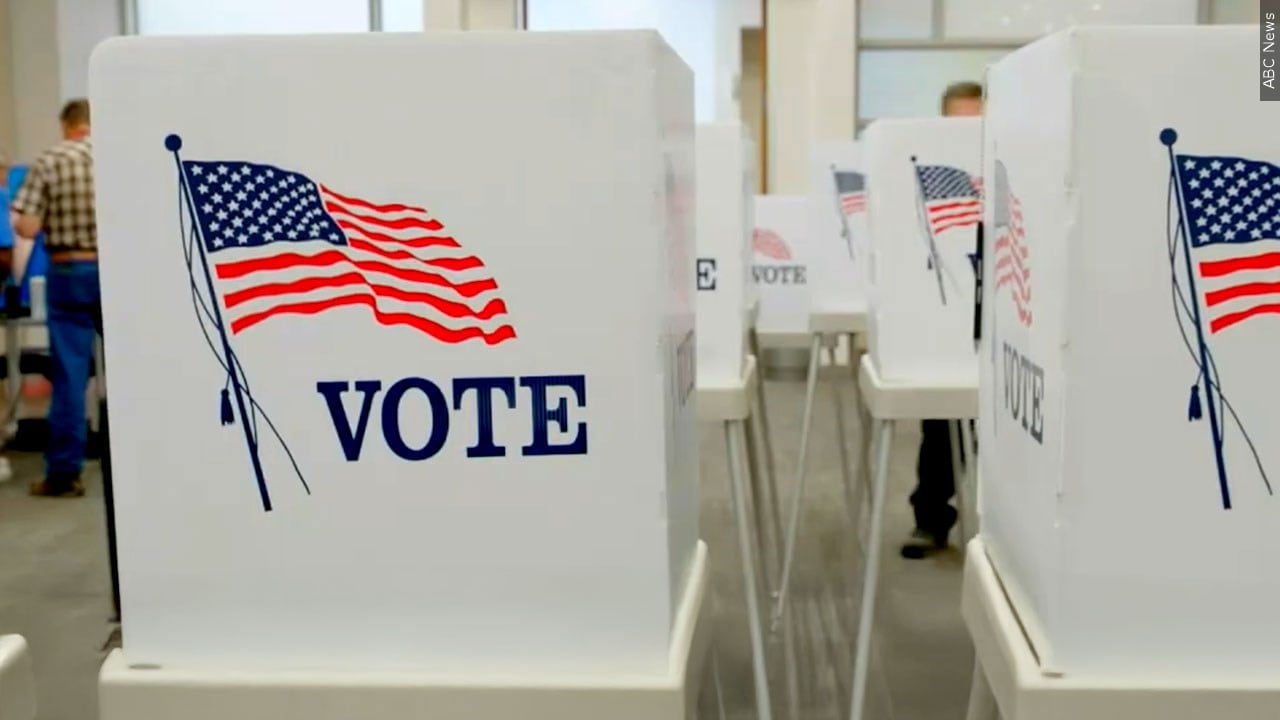
Midterms put control of Congress and statehouses in play
All 435 House seats, 35 Senate seats and 36 governorships are being contested in the November 3 midterms. Results are being updated as votes are counted, with no winners identified in the information available here.
Republicans entered the election with a majority in both chambers of Congress. In the Senate, they held a 53-47 advantage, and 22 of the 35 seats on the ballot were Republican-held. Democrats need a net gain of four seats to take control. Competitive contests include races in Texas, Iowa, Kansas, Alaska, Maine, Ohio and North Carolina, while Democrats are defending a seat in Michigan.
The House has 435 voting members, each elected to a two-year term. Democrats held 212 seats before the election and need 218 for a majority. Thirty-six states are choosing governors; before the vote, Republicans and Democrats each held 18 of the governorships being contested. The election also includes Senate special elections in Florida and Ohio, following the resignations of Marco Rubio and JD Vance to join the executive branch.
The balance of power will affect the final two years of President Donald Trump’s term. Republican control of Congress has helped advance his agenda, while the Senate contests are unfolding amid opposition to the war with Iran. Results are expected to determine whether Republicans retain their congressional majorities and whether either party gains ground in statehouses.
Midterms offer voters a chance to check Trump’s agenda
The midterms put President Donald Trump’s congressional backing on the line. Republicans began the election controlling both chambers, a position that has eased the way for his agenda. Voters now have the chance to alter that balance for the final two years of his term.
Democrats need a net gain of four Senate seats to take the majority from Republicans, who entered the contest ahead 53-47. Twenty-two of the 35 Senate seats being contested were Republican-held. Democratic pickup opportunities include Texas, Iowa, Kansas, Alaska, Maine, Ohio and North Carolina, while the party is defending a seat in Michigan.
The House is also up for grabs, with all 435 seats contested. Democrats held 212 seats before the election and need 218 for control. In the states, 36 governorships are being decided; the parties each held 18 of those offices before voting.
The Senate map had initially looked favorable to Republicans, but the war with Iran, described as unpopular, has put several states in play for Democrats. The outcome will help determine whether the Republican agenda continues to move through Congress or faces a new check from a Democratic majority.
Voters decide whether Republicans keep Congress behind Trump
The stakes are clear: Republicans entered the midterms controlling the House and Senate, helping President Donald Trump advance his agenda. The vote will decide whether that governing alignment holds for the final two years of his term.
Democrats need to gain four Senate seats to take the chamber, where Republicans started with a 53-47 majority. Of the 35 Senate seats on the ballot, 22 are Republican-held. Democrats are targeting races in Texas, Iowa, Kansas, Alaska, Maine, Ohio and North Carolina, but they must also defend a seat in Michigan.
Every one of the House’s 435 seats is being contested. Democrats began with 212 and need 218 for control. Voters are also choosing governors in 36 states; Republicans and Democrats each held 18 of those governorships before the election.
Democrats’ path to the Senate majority runs through states that had looked favorable to Republicans, with the war with Iran putting several contests in play. The election will show whether voters leave Republicans positioned to keep advancing Trump’s priorities or hand Congress to the opposition.
Reported by The Guardian US, Denver7, FOX 5 New York, CBS News.