Full 9th Circuit Restores Limits on DOJ Election Pressure
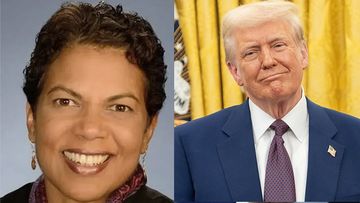
On November 2, the full 9th Circuit set aside a three-judge panel’s decision that had briefly lifted limits on the Trump administration’s actions toward state election officials. The court ordered the dispute reheard by all 11 active judges, restoring an interim directive from federal trial judge Trina Thompson as the appellate court reviews the case.
Thompson’s order bars federal officials from pressuring state and local election workers with prosecution threats over ballots the government says may have been cast by ineligible voters. It also prevents officials from demanding that such ballots be separated or left uncounted solely on those claims.
Labor unions and civil rights organizations filed the case, among them the National Association for the Advancement of Colored People and LULAC. They argue that federal letters warning of possible criminal liability intimidated election officials. The administration says its requests and investigations fall within executive authority and that election-law violations can be prosecuted.
The brief panel ruling had found the government likely to prevail on its arguments. The full court’s action came hours later, reversing that result. Earlier on November 2, the Supreme Court rejected the administration’s emergency bid to require California to set aside ballots from about 20,000 voters federal officials had flagged as likely noncitizens.
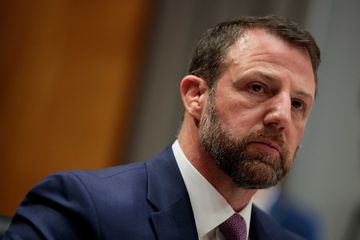
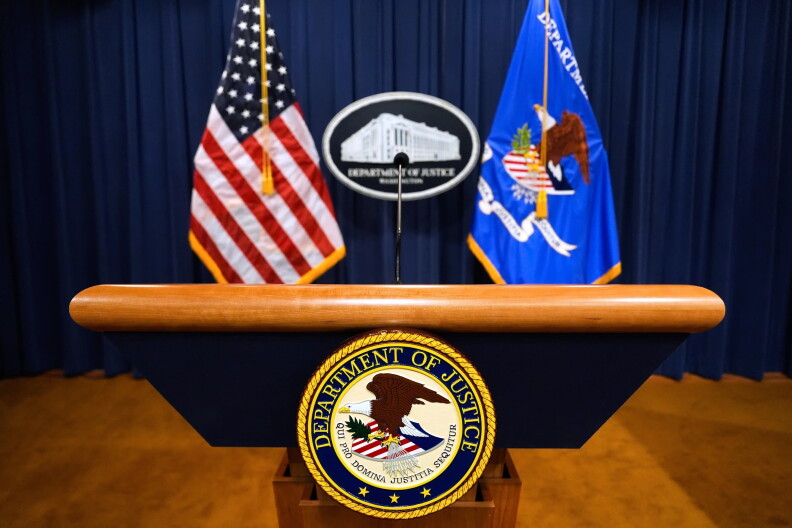
The appeals court’s order leaves Thompson’s restrictions in place while the full court rehears the matter. Attorney General Todd Blanche also announced that 63 people had been charged with election crimes on November 2.
Court Checks DOJ Pressure on Election Officials
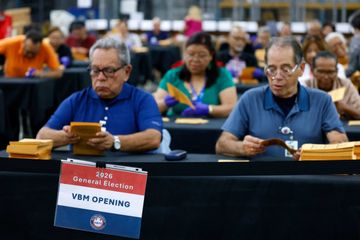
A full panel of the 9th Circuit moved late November 2 to restore protections against Justice Department pressure on election officials, overturning a brief win for the Trump administration just hours before Election Day. The 11 active judges will rehear the case, and U.S. District Judge Trina Thompson’s restrictions remain in place meanwhile.
Her order prevents federal officials from threatening state and local election workers with prosecution over ballots the government says may be tied to ineligible voters. It also blocks demands to isolate or withhold those ballots based only on federal claims. The unions and civil rights groups behind the case say federal warnings of criminal liability intimidate officials responsible for administering elections.
The dispute concerns a basic safeguard: election workers should not face federal pressure for processing ballots under state law. A three-judge panel had briefly lifted Thompson’s order, reasoning that the administration was likely to prevail in claiming its requests and investigations were executive functions. The full court’s swift intervention has put that ruling aside.
The Supreme Court separately rejected the administration’s emergency request to make California set aside ballots from about 20,000 voters federal officials flagged as likely noncitizens. The full 9th Circuit will now reconsider the limits on the government’s conduct, while Thompson’s order continues to constrain it.
9th Circuit Reinstates Limits on Federal Election Probe
The full 9th Circuit has again constrained the Justice Department’s efforts to investigate possible noncitizen voting in California, setting aside a panel decision that briefly allowed the administration to proceed. The court’s order late November 2 sends the case to all 11 active judges and restores U.S. District Judge Trina Thompson’s restrictions for now.
The administration argues that investigating election-law violations and pursuing criminal cases are executive responsibilities. A three-judge panel had found it likely to prevail on that position before the full court vacated its ruling hours later. The reversal leaves federal officials barred from threatening election workers with prosecution over ballots linked to suspected ineligible voters, and from demanding those ballots be separated or not counted solely on that basis.
The lawsuit was filed by labor unions and civil rights groups, which say government letters warning officials of possible criminal liability amount to intimidation. The administration maintains that allowing unlawful voting to go unchallenged undermines confidence in elections. Attorney General Todd Blanche announced 63 election-crime charges on November 2.
The Supreme Court also turned away the administration’s emergency request to have California set aside ballots from roughly 20,000 voters federal officials identified as likely noncitizens. The full appeals court will reconsider the dispute, while the district court’s limits remain operative.
Reported by Raw Story, Fox News, The Washington Examiner, Breitbart.