Judge blocks federal sharing of suspected noncitizen voter lists
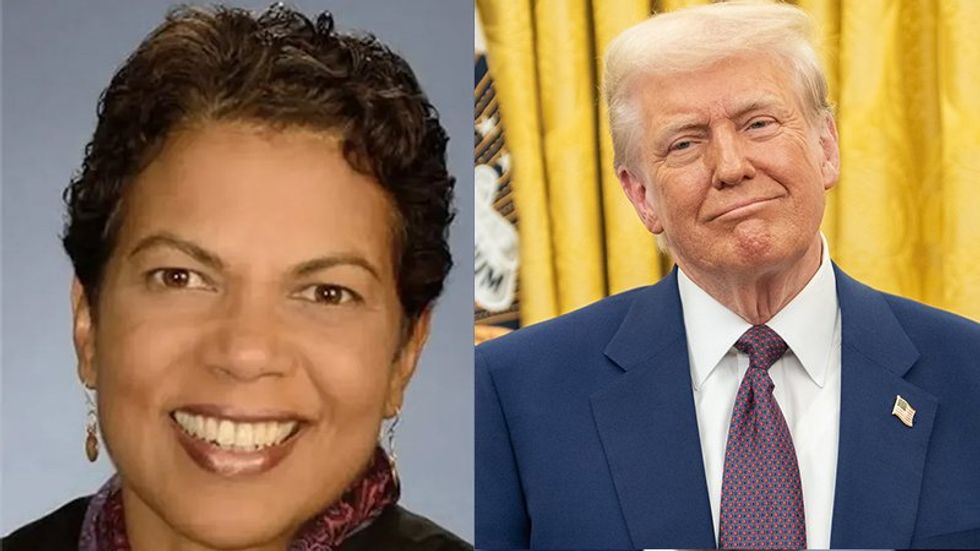
On November 2, U.S. District Judge Tanya Chutkan issued a preliminary injunction preventing the Justice Department and Department of Homeland Security from sharing lists of people they identified as potential or confirmed noncitizen voters with state and local election officials. The order came one day before the midterm elections, while voting was already underway in some states. The administration must report within 24 hours that it has complied and identify an official responsible for continued compliance. The ruling does not block individual citizenship checks through a federal verification system or prosecutions under federal law.
A coalition of women’s voting advocates and allied ballot-access and privacy organizations sued on October 15. They argued the administration’s comparison of state voter records with federal databases was unauthorized, violated privacy protections and risked flagging eligible citizens. Chutkan found the challengers were likely to prevail on claims involving the authority for the program and the federal Privacy Act. She cited errors in the lists, including a Nevada review that found all 15,903 people flagged by federal authorities were citizens. In Los Angeles County, more than 20,000 people were listed, but only 7,035 records had county addresses.
The administration has said the effort is intended to enforce election laws and prevent noncitizens from voting in federal elections. Chutkan said further list transmissions could disrupt elections. Her order is temporary; the underlying lawsuit will continue, and the judge said a written explanation would follow. In a separate case on November 2, she also imposed short reporting deadlines on the administration over President Donald Trump’s proposed arch near Arlington National Cemetery. Work may start as soon as Wednesday if planning commission approval is granted.
Court stops voter-data push that risked citizens’ ballots
A federal court intervened on November 2 to stop the Trump administration from circulating lists that could put eligible voters under suspicion on the eve of the midterms. Judge Tanya Chutkan barred the Justice Department and Homeland Security from sending the lists to election officials, finding the challengers likely to prevail on claims that the program lacked legal authorization and violated privacy protections.
The risks were not abstract: a Nevada review found every one of the 15,903 people flagged by federal officials was a U.S. citizen. In Los Angeles County, only 7,035 of more than 20,000 listed records had county addresses. The League of Women Voters and other groups warned that errors in government databases could threaten citizens’ ability to have their votes counted.
The administration says the effort is about enforcing election law, but noncitizens are already barred from voting in federal elections, and the ruling cites no basis for bulk transfers of sensitive voter information. Chutkan also required a compliance report within 24 hours. The injunction is preliminary, so the lawsuit will continue; for now, federal agencies cannot keep distributing the lists to election officials.
Judge halts election-fraud checks just before midterms
On the eve of the midterms, Judge Tanya Chutkan blocked the Trump administration from sending suspected noncitizen voter lists to election officials. The administration has argued that matching registration records against federal databases can help determine which registrants lack legal eligibility to cast ballots. Chutkan’s injunction now bars further bulk sharing while the legal fight proceeds.
The ruling came as voting was underway in some states and Democrats and voting-rights groups challenged the federal effort. Chutkan found the plaintiffs likely to succeed on claims that the program lacked legal authorization and violated privacy protections. She pointed to errors, including a Nevada review in which all 15,903 people flagged were found to be citizens. The administration must report compliance within 24 hours.
Noncitizens are prohibited from voting in federal elections, and the government says it is seeking to enforce that law. But the court’s order prevents federal agencies from distributing the lists to state and local officials, even as the administration’s underlying election-law rationale remains central to the dispute. The injunction is temporary, and the lawsuit will continue.
Reported by Newsweek, Raw Story.