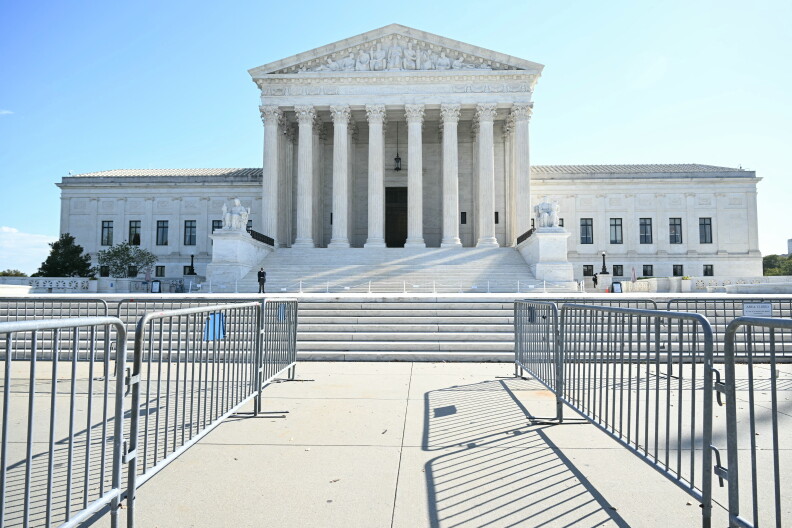
Supreme Court Rejects DOJ Bid to Separate California Ballots
On November 2, the Supreme Court declined to intervene in the Justice Department’s dispute with California over voter eligibility. The department had asked the justices to require the state to hold aside ballots linked to people it identified as likely noncitizens, with citizenship to be checked before those votes were counted. Election Day was November 3.
The request came after a federal district judge and a divided Ninth Circuit panel rejected the department’s effort. The appeals court said the list’s reliability was in doubt and that creating a system to separate ballots while voting was underway could risk disenfranchising voters and disrupting the election. The panel also pointed to limits on changing election procedures close to Election Day and to states’ constitutional role in administering elections.
The number of ballots actually at issue may be far below the 20,000 names on the federal list. County officials found that many listed people did not have active registrations and had not been sent ballots. In a separate court case, researchers at UCLA’s Voting Rights Project found that 42% of the list’s names were not on California’s current voter roll; their review also identified naturalized citizens.
The ruling came amid broader clashes between the department and California election officials. The Justice Department has issued subpoenas and warned officials they could face criminal prosecution for permitting people who are not eligible to vote to submit ballots. A federal judge in San Francisco had separately barred the Trump administration from threatening or coercing officials over ballot processing; the federal government appealed that order.
Justices Block Trump Administration’s Last-Minute Ballot Demand
On November 2, the Supreme Court refused the Trump administration’s last-minute attempt to make California segregate ballots before Election Day. The Justice Department wanted ballots tied to people it labeled likely noncitizens withheld until their citizenship could be verified. Lower courts had already rejected that demand, and the justices denied it the same day it was filed.
The state’s position prevailed because the consequences of acting on a questionable list could fall on eligible voters. The Ninth Circuit warned that the requested remedy could disenfranchise people and endanger the county’s election. UCLA researchers reviewing the list found that 42% of its names were not on California’s current voter roll and that it included naturalized citizens. County officials also found that many people listed were not actively registered and had not received ballots.
The dispute is part of an escalating federal campaign against California’s election administration. The Justice Department has subpoenaed election officials and warned of possible criminal prosecution. A federal judge separately barred the administration from threatening or coercing officials to stop processing registered voters’ ballots, though the government appealed. The court’s refusal to impose a new ballot-sorting system on the eve of voting leaves California’s election process intact for now.
Supreme Court Leaves California’s Voter Eligibility Dispute Unresolved
On November 2, the Supreme Court denied the Justice Department’s urgent request to hold aside California ballots associated with people it identified as likely noncitizens. The department said citizenship should be verified before those ballots were counted, but the court declined to intervene on the eve of Election Day.
The decision leaves the department’s eligibility concerns without the immediate remedy it sought. Lower courts rejected the request, finding the federal list unreliable and a new ballot-separation process impractical so close to voting. The Ninth Circuit also warned that the change could disenfranchise voters and disrupt the county’s election, while citing states’ authority to administer elections and legal limits on late election changes.
The dispute does not establish that all 20,000 people on the list had ballots at stake. County officials found many lacked active registrations and had not been mailed ballots. UCLA researchers found that 42% of the names did not appear on California’s current voter roll, and that the list included naturalized citizens. Those findings raise questions about the list’s accuracy, even as the Justice Department sought to prevent ineligible votes from being counted. The broader conflict continues: the department has subpoenaed officials and warned of prosecution, while the federal government is appealing a separate order barring threats or coercion over ballot processing.
Reported by LAist, CNN, MSNBC.