Ninth Circuit Keeps Voter Investigations Restricted Through Midterms
The entire federal appeals court for the western states declined on October 30 to rehear a challenge to restrictions on the Trump administration’s election-related field operations. The decision leaves a preliminary injunction in effect through the midterm election, after a three-judge panel refused to pause it while the administration appeals.
The limits cover California, Connecticut, Georgia, Missouri, Nevada, New York, Pennsylvania, Washington and Wisconsin. They bar certain election-related field visits and interviews involving people federal officials know or suspect are U.S. citizens. They also restrict some operations based entirely on federal records.
The case was brought by nursing organizations and local governments. The plaintiffs argued that investigations could wrongly ensnare citizens and intimidate voters. A federal judge in California issued the injunction on October 21. The appeals panel concluded that the administration had not shown the irreparable harm needed to suspend it.
Seven judges on the appeals court opposed declining to rehear the case, arguing that the lower court had improperly limited the executive branch’s power to investigate suspected illegal voting. The administration’s attorney had argued that the government had a strong reason to pursue such cases before an election.
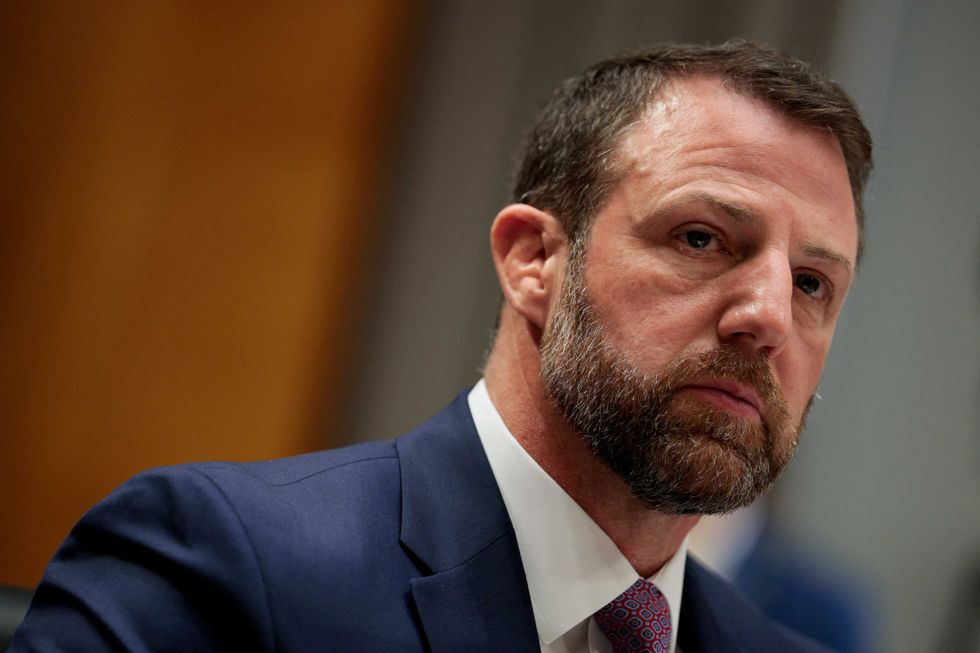
The court record describes a process in which federal agencies compare voter information with government and commercial databases, review possible matches, and may refer cases to immigration investigators. DHS Secretary Markwayne Mullin said on October 31 that more than 300,000 cases were under investigation; that figure does not represent confirmed illegal votes. The administration’s appeal will continue, while the injunction remains in force.
Court Blocks Voter Sweep That Risked Intimidating Citizens
Federal agents’ election-related operations will remain constrained through the midterm election after the Ninth Circuit declined on October 30 to reconsider an order protecting people officials know or suspect are U.S. citizens. The ruling preserves a preliminary injunction against certain field visits and interviews in nine states.
The plaintiffs, including nursing organizations and local governments, said the investigations could wrongly target citizens and deter election participation. A California judge found grounds for a preliminary injunction on October 21. The appeals panel later concluded the administration had not demonstrated the irreparable harm required to put that order on hold.
The court record describes agencies comparing voter information with government and commercial databases before referring possible cases for further investigation. At a recent hearing, judges questioned the need for an urgent enforcement push before the election and raised concerns about faulty data and targeting naturalized citizens.
Seven judges dissented, saying the lower court had wrongly restricted the executive branch’s investigative authority. But the immediate stakes are clear: the injunction remains effective while the administration’s appeal proceeds. DHS Secretary Markwayne Mullin said on October 31 that more than 300,000 cases were being investigated, a count of investigations, not confirmed illegal votes.
Appeals Court Ties Investigators’ Hands Before Midterms
The Ninth Circuit has kept a lower-court order restricting federal election-related investigations in force through the midterm election. On October 30, the full court declined to review a panel’s refusal to pause the injunction, despite the administration’s argument that it has a substantial reason to investigate suspected illegal voting.
The order bars certain field operations and interviews involving people officials know or suspect are U.S. citizens in nine states. It also limits some operations based wholly on federal records. The administration says its agencies compare voter data against government and commercial databases and review possible matches before cases move to immigration investigators.
Seven judges dissented, arguing that the lower court had wrongly curtailed the executive branch’s authority to investigate suspected voting crimes. Their view reflects the concern that court-imposed restrictions are obstructing enforcement in the critical period before an election.
The plaintiffs, including nursing organizations and local governments, argued that the investigations could wrongly target citizens and intimidate voters. A California judge granted their request for a preliminary injunction on October 21, and the appeals panel found the government had not established the irreparable harm needed to suspend it. DHS Secretary Markwayne Mullin said on October 31 that more than 300,000 cases were under investigation, not that this many illegal votes had been confirmed. The administration’s appeal continues.
Reported by Raw Story, Newsweek.