Cost-of-living protests spread across Europe
Protests over the cost of living and public services spread across Europe on October 31, with demonstrations in France and rallies planned in Germany. Students, unions and other groups have joined the protests, which began in France and have also reached countries including Spain, Italy and Belgium.
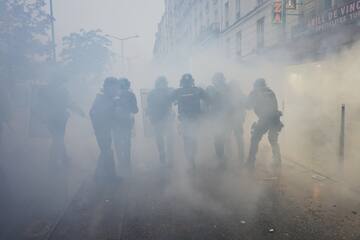
France’s Interior Ministry said 320,000 people demonstrated nationwide, including 70,000 in Paris. Authorities reported 296 arrests by 6 p.m. local time. Officials deployed 70,000 police officers amid concern about renewed unrest after earlier protests included looting and damage to businesses and public buildings.
The French demonstrations began with students calling for improvements to education and later grew to include wider concerns about living costs and social security. The Yellow Vests movement, which began in 2018 in opposition to fuel taxes, and unions joined the protests. Interior Minister Laurent Nuñez warned of a high risk of disorder and said demonstrations would be restricted from city centers.
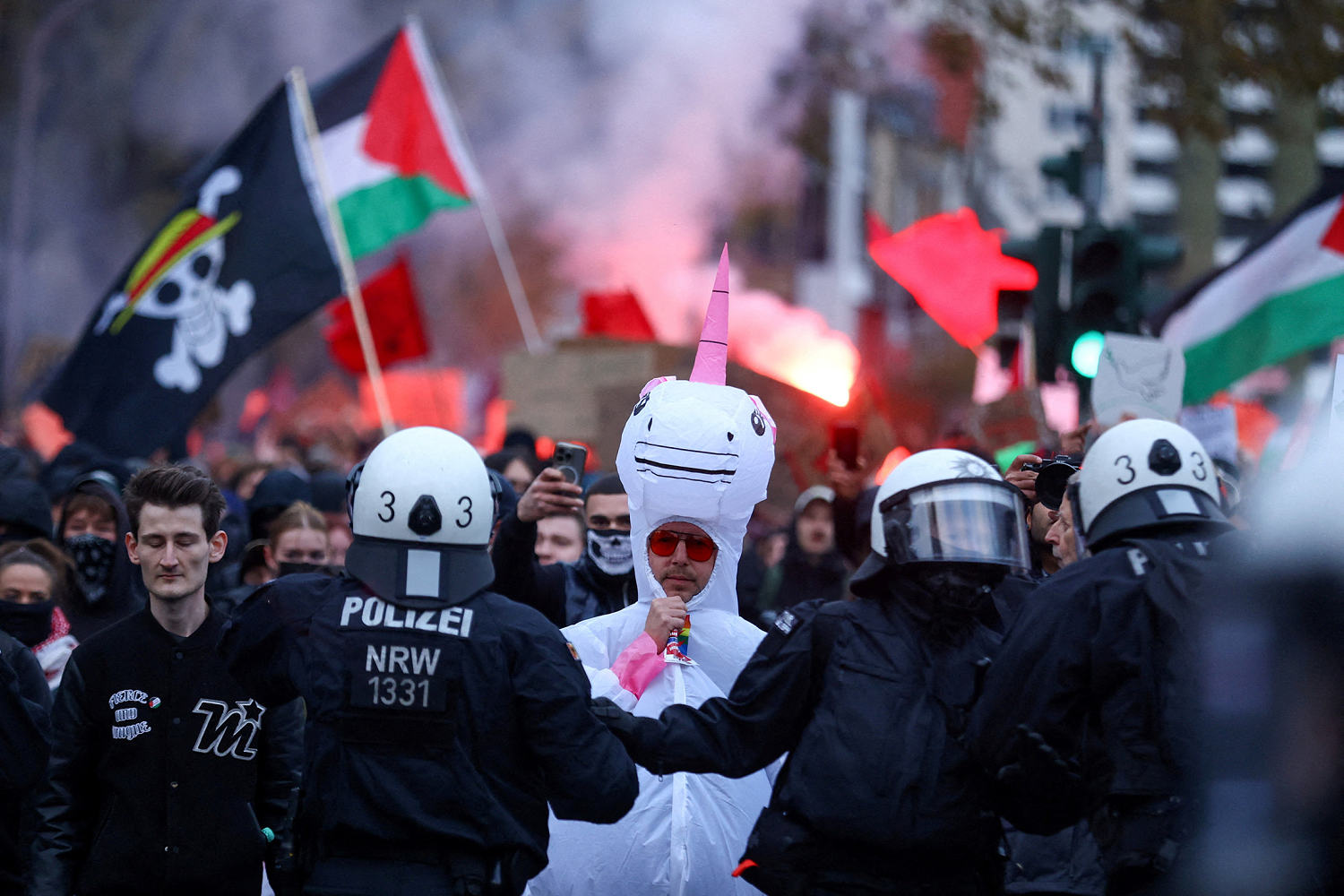
In Germany, organizers expected more than 160,000 people to join rallies in 34 cities. The youth-led Gen Z regelt movement is calling for investment in schools, housing and climate protection, and opposes a possible return to mandatory military service. Police reinforcements were deployed, including 1,500 additional officers in Berlin.
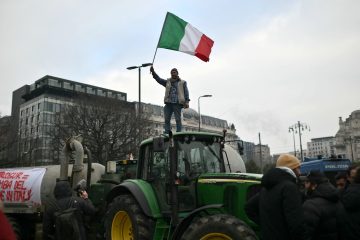
Protests also took place in Italy, where tens of thousands rallied in Rome on October 30, and in other European cities. Italy’s government said it would send 500 army troops to support police in Milan through the end of the year. Saturday’s demonstrations precede a nationwide strike and mobilization planned in France for November 5 over rising living costs.
Europe’s protests expose the cost of neglecting public needs
Across Europe, young people and other demonstrators are making clear that living costs and underfunded public services have become urgent concerns. Rallies on October 31 included 320,000 people in France, according to the Interior Ministry, while more than 160,000 were expected at demonstrations in 34 German cities.
The demands go beyond students’ concerns about deteriorating education. In Germany, organizers are pressing for spending on schools, housing and climate protection, while opposing a possible return to mandatory military service. In France, student protests expanded to include broader concerns about household expenses and social welfare, with unions and the Yellow Vests joining in.
French authorities reported 296 arrests by 6 p.m. and deployed 70,000 police officers after earlier demonstrations involved looting and damage. Those incidents are serious, but the scale of the security response should not eclipse the issues bringing people onto the streets. The protests reflect frustration with public services and living costs, not only a challenge for law enforcement.
Demonstrations also took place in Italy and elsewhere. Italy’s government plans to deploy 500 army troops alongside police in Milan through the end of the year. France faces another test on November 5, when unions have called a nationwide strike and mobilization over rising living costs.
European unrest puts order and public safety under pressure
The protests sweeping Europe over living costs and public services have brought a clear challenge for public order. In France, authorities reported 296 arrests by 6 p.m. on October 31 and deployed 70,000 police officers after earlier unrest damaged shops, public buildings and businesses.
The scale of the response reflects officials’ concern that demonstrations could again turn violent. Interior Minister Laurent Nuñez warned of a high risk of disorder and said rallies would be restricted from city centers. In Germany, more than 160,000 people were expected at demonstrations in 34 cities, and additional officers were deployed, including 1,500 in Berlin.
The German movement is calling for spending on schools, housing and climate protection, while opposing a possible return to mandatory military service. Those demands are part of a broad protest movement, but they do not remove the responsibility to protect residents, businesses and police from violence. In France, earlier demonstrations included looting, and officials say over 1,000 police personnel suffered injuries after the movement started.
Protests have also spread to Italy and other countries. Italy’s government plans to deploy 500 army troops alongside police in Milan through the end of the year. France faces further mobilization on November 5, when unions have called a nationwide strike over rising living costs.