France Deploys 70,000 Officers as Halloween Protests Spread Across Europe
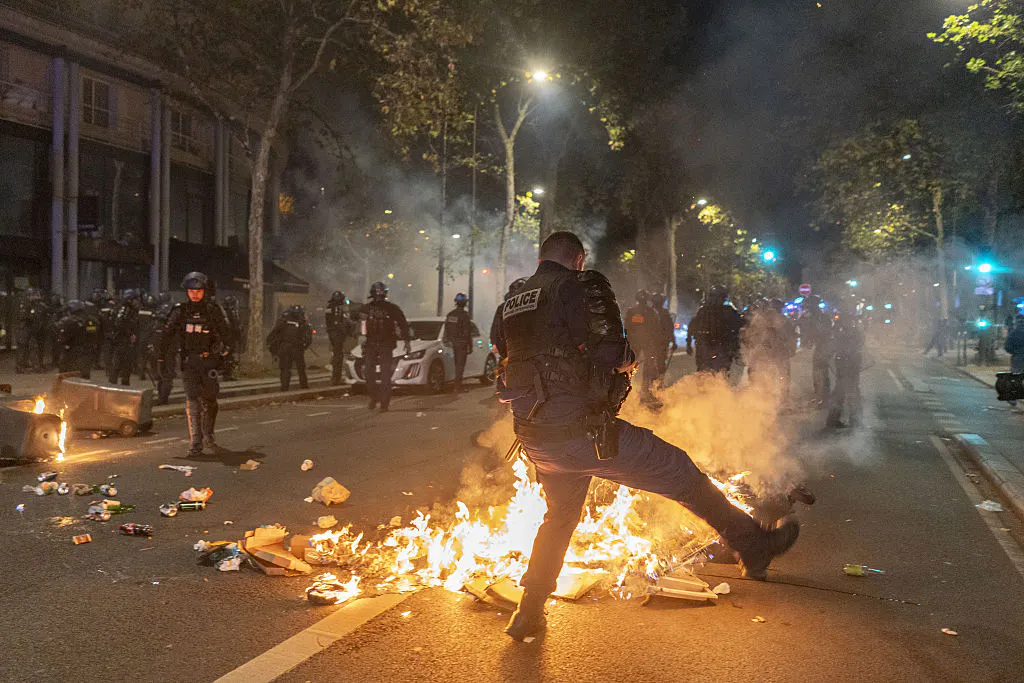
French authorities prepared for a third consecutive weekend of protests on October 31, as Interior Minister Laurent Nuñez cautioned about a high risk of disorder, particularly after dark. The demonstrations began with students protesting school conditions and widened to include concerns about living costs and education. Labour groups and students called for further marches on Saturday.
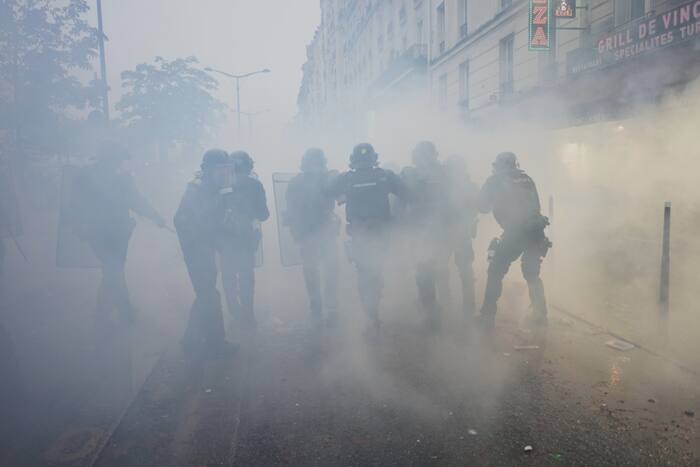
About 70,000 police and gendarmes were deployed across France, matching the previous weekend’s force. In Paris, authorities restricted marches to a route along the outer boulevards after banning some demonstrations from the city centre. Police also closed Place de la République and Les Halles overnight, while a court had suspended an earlier curfew on minors around the Champs-Elysées.
Authorities counted about 550,000 people at marches on October 17, when rioters looted hundreds of shops. The following Saturday, about 410,000 people marched; protests were largely peaceful, though police made more than 1,300 arrests. Unions and student groups challenged the restrictions on Paris marches in court.
Germany expected large youth-led demonstrations organized by Gen Z Regelt, with more than 140,000 people signed up online. The group said its protests would focus on education, health care, climate protection and living costs, and oppose a return to military conscription. Berlin police expected about 10,000 people at the Brandenburg Gate.
In Barcelona, police planned their highest-level alert after the Blocus network called for new gatherings. Rioting the previous Saturday led to about 130 arrests, mostly involving minors. Protest calls also circulated in Italy, Belgium, the Netherlands, Austria, Switzerland and Portugal.
Young Europeans Take to the Streets Over Costs and Public Services
Young people and workers across Europe were preparing to protest on October 31 over the pressures shaping their lives: living costs, education, health care and public services. In France, the movement that began with students’ concerns about school conditions has broadened, with labour groups and students calling for further demonstrations.
The French government deployed 70,000 police and gendarmes and barred some marches from central Paris, directing demonstrators to an outer-boulevard route. Unions and student groups challenged those restrictions in court. Police also closed two central areas overnight, while a court had already suspended an earlier curfew on minors near the Champs-Elysées as an infringement of freedom of movement.
The scale of the demonstrations has been substantial: authorities counted about 550,000 marchers on October 17 and 410,000 the following Saturday. The first protest day saw looting at hundreds of shops; the next weekend’s marches were largely peaceful, though police made more than 1,300 arrests.
In Germany, Gen Z Regelt planned protests focused on education, health care, climate protection and an affordable life, while opposing a return to military conscription. More than 140,000 people had signed up online. Barcelona police also prepared for gatherings after unrest there led to about 130 arrests, mostly of minors.
The contrast between peaceful demonstrations and episodes of violence leaves public authorities responsible for protecting people and property without unnecessarily curtailing the right to protest. Unions and students’ court challenge to Paris’s restrictions puts that balance directly in dispute.
Authorities Brace for Disorder as European Protest Calls Spread
With protest calls spreading across Europe and recent demonstrations in France and Spain turning violent, authorities prepared for a difficult Halloween weekend. France deployed 70,000 police and gendarmes after rioters looted hundreds of shops on October 17, and officials warned of a high risk of disorder after dark on October 31.
Paris authorities restricted marches to an outer-boulevard route and barred some demonstrations from the city centre. Police also closed Place de la République and Les Halles overnight. Most demonstrators remained peaceful the prior Saturday, although officers arrested more than 1,300 people; unions and student groups challenged the restrictions on marches in court.
In Barcelona, police planned their highest-level alert after the Blocus network called for another gathering. Rioting the previous weekend led to about 130 arrests, most involving minors. Calls for demonstrations also circulated in Italy, Belgium, the Netherlands, Austria, Switzerland and Portugal.
Germany expected more than 140,000 people who had signed up online for demonstrations organized by Gen Z Regelt. Organizers said they would protest over education, health care, climate protection and living costs, and oppose a return to military conscription. Berlin police expected about 10,000 people at the Brandenburg Gate, while some shops boarded up their windows.
The right to demonstrate does not erase the need to protect businesses and public safety when gatherings are accompanied by looting, vandalism or fire-setting. Police deployments and limits on where marches can proceed reflect the risks authorities face after recent unrest.
Reported by Breitbart, Newsweek, WTOP, New York Post, WSVN 7News, Fox News.