Germany Protests Turn Violent in Frankfurt and Hamburg
Organized by the youth campaign Gen Z regelt, demonstrations were held across 34 cities, among them Berlin, Frankfurt and Munich. The movement called for greater investment in education and other public services, action on living costs and climate protection, and opposed a return to compulsory military service. Organizers said 120,000 people attended nationwide; figures from police in Frankfurt, Munich and Berlin totaled as many as 18,000, below the organizers’ initial expectation of 182,000.
Young Germans Protest Costs and Cuts as Clashes Follow Rallies
Young Germans took to the streets on October 31 with demands for better education, affordable living and a say in decisions affecting their future. The Gen Z regelt campaign organized demonstrations in 34 cities, and organizers said 120,000 people joined. Police figures from Frankfurt, Munich and Berlin put turnout in those cities at as many as 18,000—well below the organizers’ initial nationwide expectation of 182,000.
The protests also opposed a return to compulsory military service and called for action on climate protection and other public services. In Berlin, student protesters described deteriorating school facilities and a shortage of teachers. A campaign spokesperson said the movement wanted better support for health and education systems and a fairer sharing of burdens.
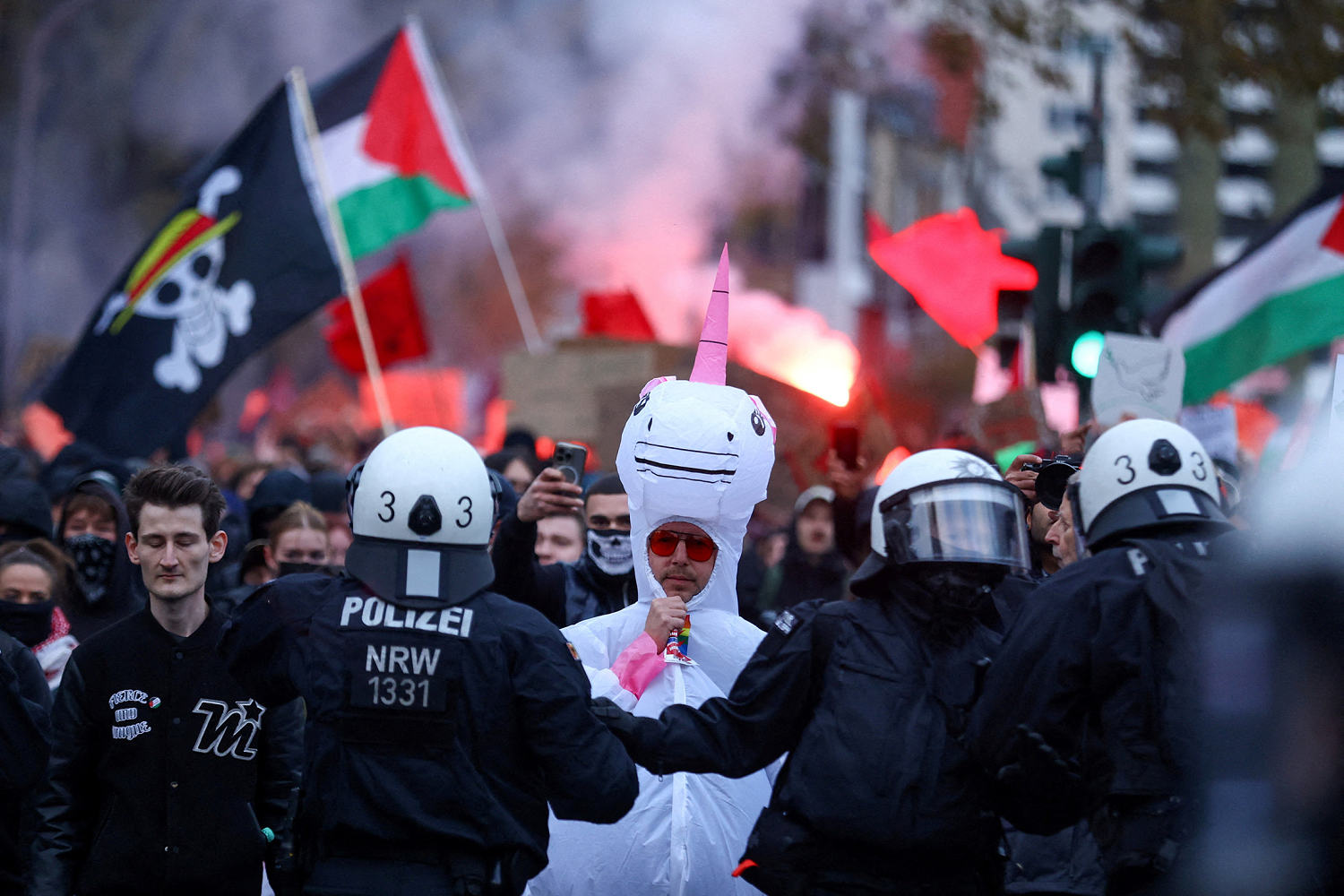
Violence in Frankfurt and Hamburg is serious, but it should not erase the demands that brought demonstrators out. In Frankfurt, shops were damaged and looted, and law enforcement reported that incendiary bottles were hurled toward first responders. In Hamburg, barricades burned and officers used water cannons and tear gas. Organizers said they had no influence over events after demonstrations ended.
Officials warned that extremist groups could exploit the rallies, while businesses in some cities boarded up windows before the protests. The response to violence must distinguish those responsible from peaceful demonstrators—and should not be used to dismiss concerns about costs, education and public investment.
Violence Shadows German Protests as Extremists Exploit Rallies
The disorder at Germany’s October 31 protests is a warning about what happens when mass demonstrations are vulnerable to extremist groups. Gen Z regelt organized rallies in 34 cities, but in Frankfurt masked rioters looted shops, damaged storefronts and threw Molotov cocktails at emergency personnel, police said. In Hamburg, barricades burned and officers faced projectiles.
The movement’s stated causes included lower living costs, greater investment in education and opposition to compulsory military service. Organizers said 120,000 people took part nationwide, while authorities in Frankfurt, Munich and Berlin put the combined figure at up to 18,000 across those cities. The difference in the figures underscores the scale of the crowds, but peaceful attendance does not excuse attacks or looting.
Officials had warned that extremist groups might take advantage of the demonstrations. Hesse Interior Minister Roman Poseck said about 100 left-wing extremists were involved in Frankfurt and cautioned against treating violence in France as a model. Police in Hamburg used water cannons and tear gas; in Cologne, officers also used water cannons after fireworks were set off.
The organizers said they had no influence over what happened after the demonstrations ended. That distinction matters, but so does public safety: businesses boarded up ahead of the rallies, and emergency personnel were targeted. Authorities now face the task of dealing with violent offenders while allowing peaceful protest to continue.
Reported by Breitbart, CBS News, Yahoo News, NBC News, CNN, New York Post, Semafor, Daily Mail US.