Italy Protests Bring Cost-of-Living Anger to More Than 50 Cities
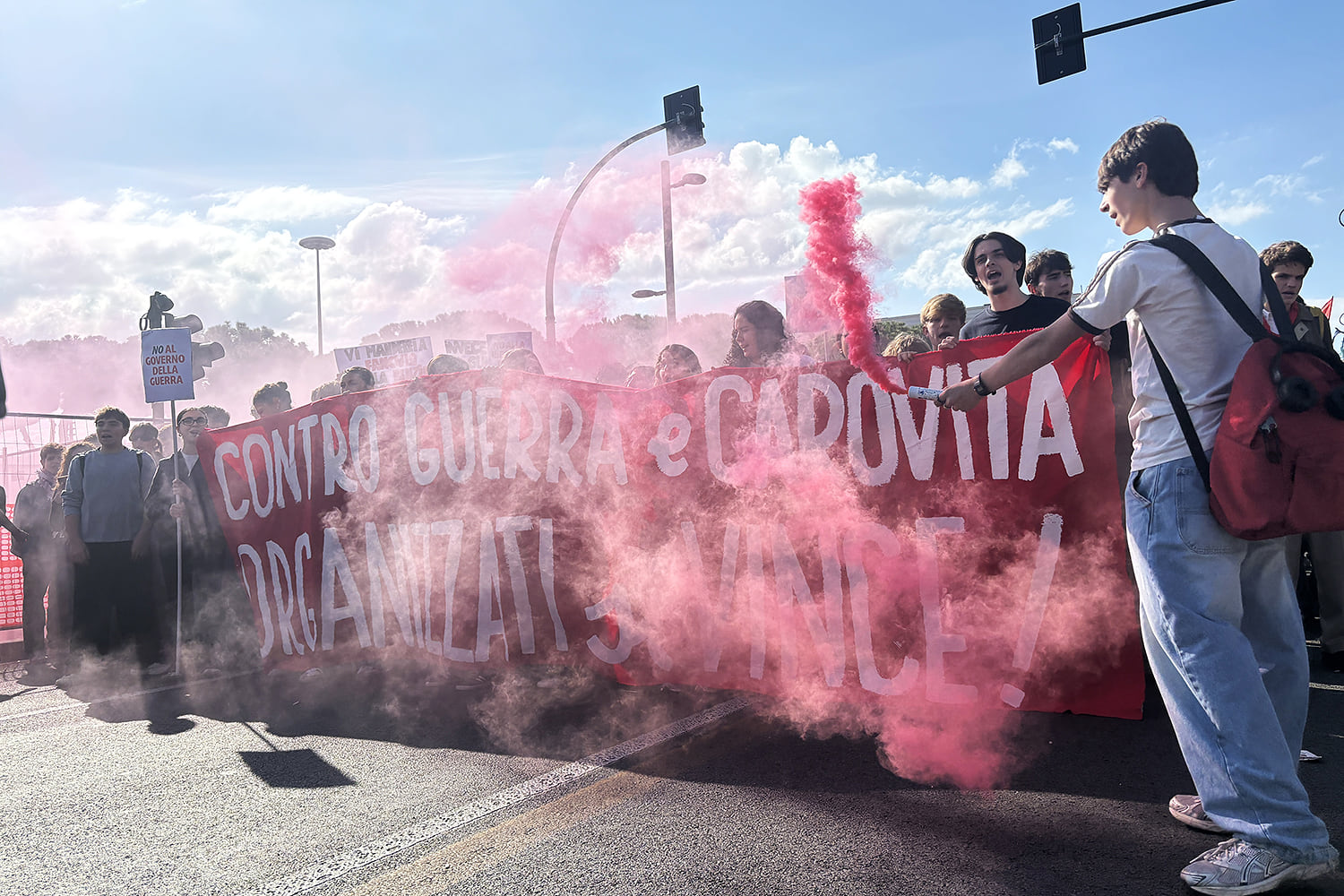
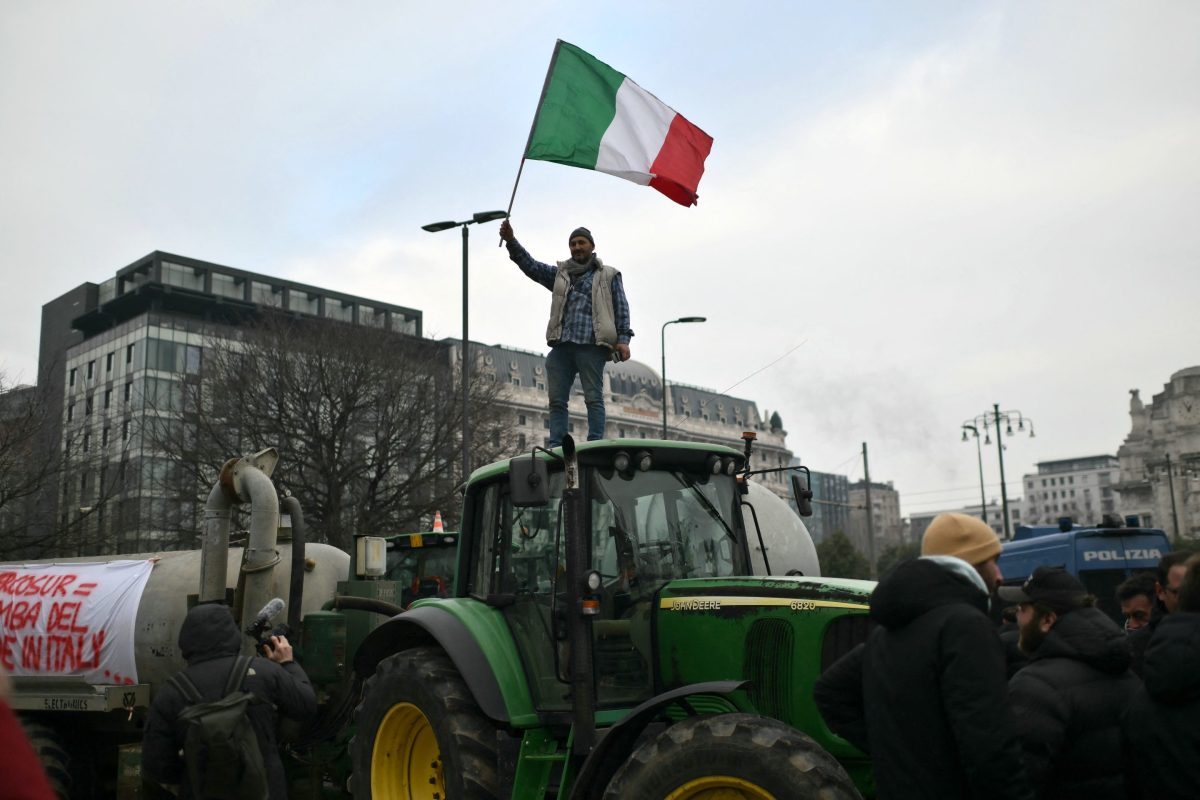
Demonstrations and a nationwide walkout organized by the grassroots labor group USB brought crowds into the streets of more than 50 Italian cities on October 30. The biggest rallies were in Milan, Turin and Rome. Farmers dumped manure outside Turin’s city hall, while protesters elsewhere criticized Prime Minister Giorgia Meloni’s government and the cost of living, public services and military spending.
The national statistics agency reported October inflation of 5.4%, the highest in more than three years. Energy costs had climbed 31.4% compared with the same period a year before. In recent weeks, farmers and truckers had blocked roads, ports and fuel depots in southern Italy, protesting the cost of running their businesses. The blockades disrupted food deliveries: mozzarella producers said about 1 million liters of milk went unused in one day, while some pasta makers suspended production and supermarkets in parts of the south had empty shelves.
On October 22, the government authorized €175.2 million in assistance for truckers, farmers and fishermen, bringing total aid to €540 million in tax credits. Southern pickets came down the following day. A truckers’ association leader said the aid amounted to money the government already owed.
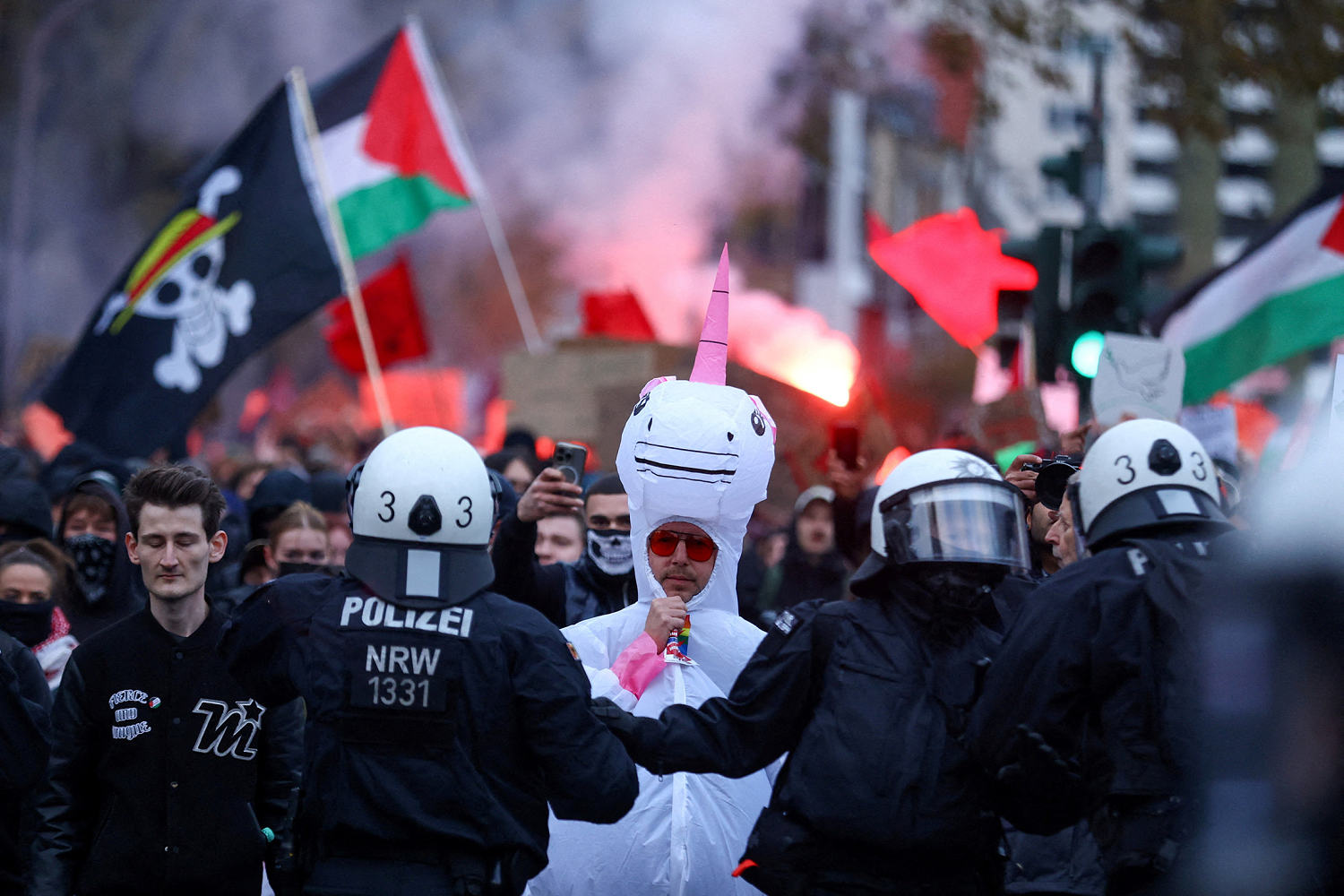
Teachers, healthcare workers, agricultural workers and students joined the strike and marches, with demands varying by city. Genoa dockworkers protested what they called the port’s militarization and sought to block arms shipments; Bologna students called for education policy to be reviewed. Transport workers abandoned planned strike action after Transport Minister Matteo Salvini threatened sanctions. Police made preventive arrests, and clashes occurred in some places; in Turin, officers deployed a water-spraying vehicle for a short time as protesters approached the prefecture.
Italy’s Protests Put Living Costs and Public Services at Center Stage
More than 50 Italian cities saw demonstrations on October 30, as workers, students and farmers challenged a cost-of-living squeeze and the priorities of Prime Minister Giorgia Meloni’s government. The 5.4% inflation rate reported that day was the highest in more than three years, while energy prices had risen 31.4% over the year.
The pressure is visible in food supply as well as household bills. Farmers and truckers’ blockades in the south interrupted deliveries, leaving milk unused and contributing to shutdowns at pasta makers. A mozzarella producers’ consortium said about 1 million liters of milk went unused in one day. Supermarkets in parts of the south displayed empty shelves, while fresh food spoiled in warehouses.
Workers and students also raised concerns about healthcare, education and military spending. Dockworkers in Genoa opposed what they called the port’s militarization and sought to stop arms shipments; students in Bologna demanded a review of education policy. In Turin, farmers dumped manure outside city hall as crowds gathered.
The government’s €175.2 million aid package, approved on October 22, brought total support to €540 million in tax credits. But a truckers’ association leader said the package was simply money already owed. The scale of the demonstrations underscores the gap between official assistance and the demands voiced by people facing higher costs and poor services. Transport workers dropped planned strike action after Matteo Salvini threatened sanctions, while police made preventive arrests and clashes occurred in some places.
Italy’s Strikes Disrupt Food Supply as Protests Spread Nationwide
Italy’s October 30 demonstrations brought widespread disruption alongside protests over prices and public services. Farmers and truckers had already blocked roads, ports and fuel depots in the south, contributing to shortages of food and interruptions at pasta plants. The actions left about 1 million liters of milk unused in one day, according to a mozzarella producers’ consortium.
The protests unfolded as inflation reached 5.4%, the highest reading in over three years, and energy prices rose 31.4% over the year. Those costs are real, and the government approved €175.2 million in aid for truckers, farmers and fishermen on October 22, taking the value of tax credits to €540 million in all. The southern pickets came down the next day.
Yet the disruption also fell on consumers and businesses, with supermarkets in parts of the south short of fresh food and producers forced to halt work. A truckers’ association leader said the government was paying money it already owed, but the strike and blockades still risked worsening the supply problems they were protesting.
Crowds gathered in more than 50 cities, including Milan, Turin and Rome. The demands ranged from living costs and public services to military spending and education policy. Transport workers called off their intended walkout after Transport Minister Matteo Salvini warned of penalties. Police made preventive arrests before the marches, and clashes occurred in some places; officers briefly sprayed water in Turin as protesters approached the prefecture.