European Protests Spur U.S. Warning in Portugal
On November 1, the U.S. State Department urged Americans in Portugal to stay alert at demonstrations and avoid Lisbon’s Rossio Square and Porto’s Praça Dom João I. The warning followed a march by thousands in Lisbon on October 31 over housing costs. Police cleared a protest camp at Rossio Square in the early hours of November 1, after using crowd-control measures including tear gas at demonstrations.
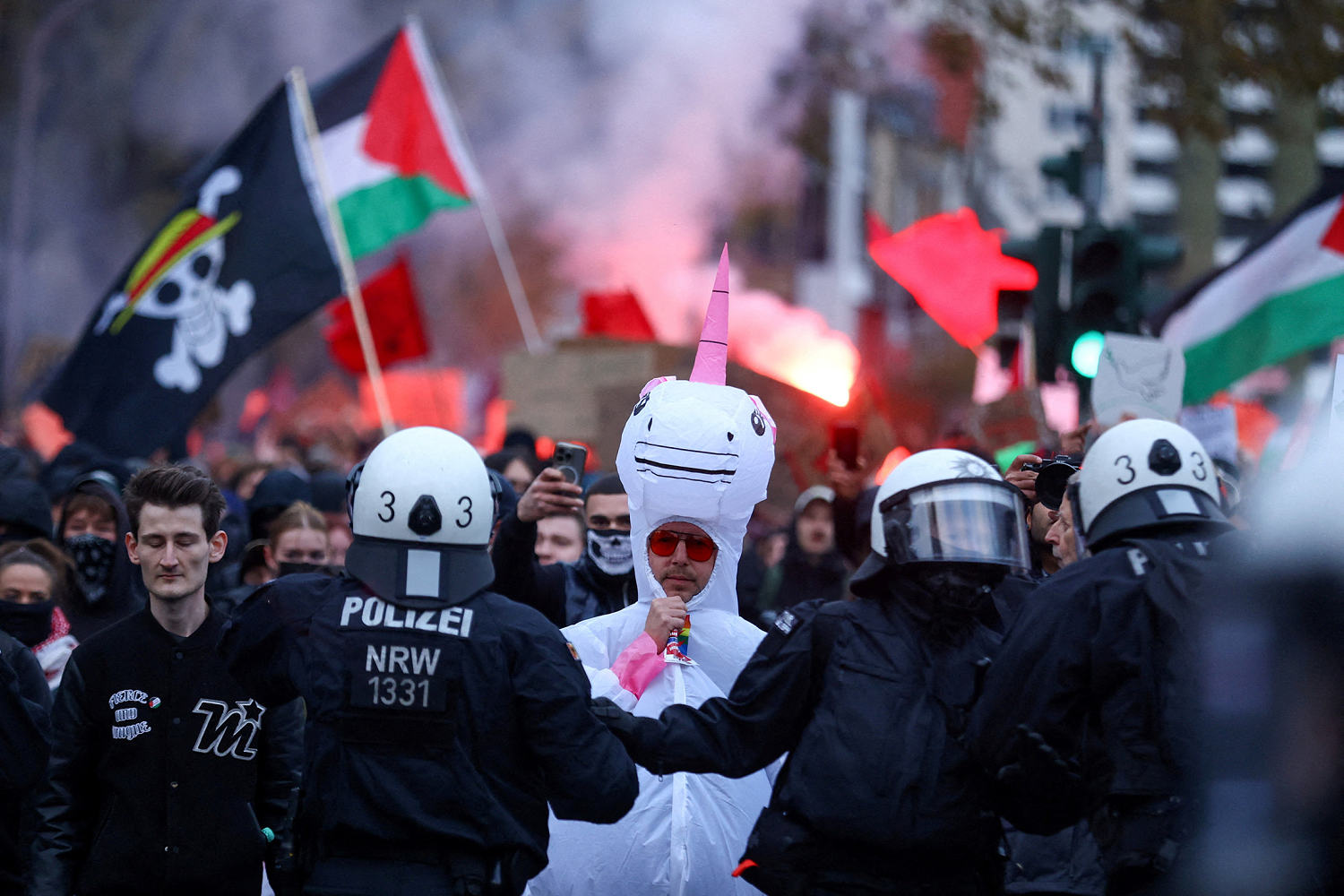
Protests were also held across over 30 German cities on October 31, drawing tens of thousands. Demonstrators called for better education, stronger funding for public services and more affordable housing, and opposed a possible return to compulsory military service. While many gatherings began peacefully, violence broke out in several places. In Frankfurt, shops were damaged and looted, and more than 100 police officers were injured. Authorities arrested 54 people aged 13 to 29. Organizers of the youth campaign behind the demonstrations said they opposed violence.
France saw demonstrations over the cost of living, consumer purchasing power, schooling and government services. Officials estimated about 320,000 people joined nationwide, while organizers put the number at 500,000. Police reported 565 arrests by October 31 evening, and three officers were injured in Paris. Authorities deployed about 70,000 police and gendarmes across the country.
Demonstrations and clashes were also reported in Albania. Authorities in several countries are preparing for further protests in the coming days. The U.S. Embassy advised Americans to follow local media and monitor official security updates.
Europe’s Protests Put Living Costs at the Center
The protests sweeping Europe are rooted in issues that affect daily life: housing costs, purchasing power, education and public services. Thousands marched in Lisbon on October 31, while tens of thousands joined demonstrations across more than 30 German cities. In France, officials estimated 320,000 people took part, and organizers said the turnout reached 500,000.
The U.S. warning to Americans in Portugal underscores the tensions surrounding the demonstrations. Protesters there opposed soaring housing costs, and police cleared a camp at Lisbon’s Rossio Square in the early hours of November 1. In Germany, demonstrators also called for increased funding for public services and better education, alongside opposition to a possible return to compulsory military service.
Violence and damage should not eclipse the demands that brought people out. Clashes in parts of Germany and France led to injuries and arrests, and organizers of the German youth campaign explicitly rejected violence. But a response focused only on disorder leaves the underlying grievances in view: people are demanding more affordable living conditions and services they can rely on. Further demonstrations are expected in the coming days, as authorities prepare for more gatherings.
Violent Clashes Overshadow Europe’s Protest Wave
Demonstrations over affordability and public services have escalated into serious disorder in parts of Europe. In Frankfurt, shops were smashed and looted, and more than 100 police officers were injured. Authorities arrested 54 people. In Hamburg, masked protesters set fires and attacked police, who responded with pepper spray and water cannons.
The unrest extends beyond Germany. French police reported 565 arrests by October 31 evening, and three officers were injured in Paris. Authorities deployed about 70,000 police and gendarmes nationwide. In Portugal, the U.S. State Department warned Americans to avoid two protest areas after police cleared a camp at Rossio Square and demonstrations had drawn crowd-control measures.
The protests raise legitimate concerns about housing costs and living conditions, but violence and looting put demonstrators, residents and emergency workers at risk. Organizers of Germany’s Gen Z regelt campaign said their protest was peaceful and rejected violence; that distinction matters as authorities prepare for further rallies. A debate over public services and affordability cannot excuse attacks on police or damage to businesses. The scale of arrests, injuries and security deployments shows the challenge facing officials as protests continue.
Reported by Newsweek, CBS Chicago.