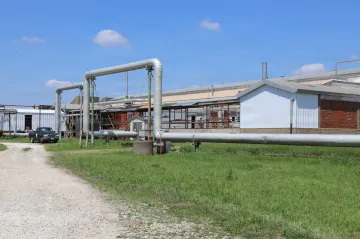
Appeals Court Blocks Iowa Army Plant Detonation Permit
The Eighth U.S. Circuit Court of Appeals issued an administrative stay late on November 19, pausing the emergency permit that would allow the Army to destroy unstable lead azide at the Iowa Army Ammunition Plant in Middletown. The stay means the Army cannot proceed under the permit while the court considers the environmental groups’ emergency motion. The court had not set a schedule for its decision as of November 20; attorneys for the groups expect a ruling before the planned operation on November 23.
The Army had first scheduled two controlled detonations for November 20, then postponed them until November 23 amid public concern. It has said the material has become highly sensitive and that moving or handling its containers could create a risk of accidental detonation. The Army says the later date is the latest possible time before falling temperatures could make the material less stable.
The Iowa Environmental Council and Sierra Club contend that the EPA did not adequately assess health and environmental risks or fully consider alternatives. Their court filing says lead-containing dust could settle across an area about 25 miles long and five miles wide, including homes and waterways, and alleges that some potentially affected communities received inadequate notice.
The Army, EPA and Department of Health and Human Services said on November 20 that they had been preparing since March and were planning extensive safety measures. The Army has warned that the explosion could produce a lead-containing dust plume, loud noises and ground vibrations, with possible broken windows. Residents have been advised to stay indoors and bring pets and livestock inside. The EPA had not filed a response to the motion by November 20.
Court Halts Army’s Lead Detonation as Communities Seek Answers
A federal appeals court has stopped the Army from proceeding under an emergency EPA permit to detonate unstable lead azide at its Iowa ammunition plant, giving environmental groups’ challenge time to be considered. The stay, issued late November 19, leaves the Army’s planned November 23 operation on hold while the Eighth Circuit weighs whether to impose a longer-term halt.
The Iowa Environmental Council and Sierra Club argue the EPA did not adequately examine the possible effects on people’s health and the environment or thoroughly evaluate alternatives. Their filing says lead dust could settle across an area about 25 miles long and five miles wide, reaching homes and waterways, with exposure continuing after it lands. They also challenge how officials notified communities that could be affected.
The Army says the material has become dangerously unstable and that handling its containers could risk an accidental detonation. But the groups dispute the government’s consideration of other options, including chemical treatment. The court’s temporary pause puts the burden on officials to address the groups’ concerns before the planned operation can proceed under the permit.
The Army, EPA and Department of Health and Human Services say they have been preparing since March and will use extensive safety measures. The Army has warned that a detonation could produce a lead-containing dust plume, loud noises and ground vibrations, and has advised residents to stay indoors and bring pets and livestock inside. The EPA had not filed a response to the court motion by November 20; the court had not announced when it would rule.
Court Order Disrupts Army Plan to Destroy Unstable Lead Azide
The Army’s effort to dispose of dangerously unstable lead azide at its Iowa ammunition plant is now on hold after a federal appeals court paused the EPA permit late November 19. The Eighth Circuit is considering an emergency request from environmental groups for a longer-term halt, leaving the Army’s November 23 plan in jeopardy.
The Army says the stored material has degraded and become more sensitive to friction and shock, and that moving or handling its containers could raise the risk of an accidental, potentially fatal explosion. It postponed an operation originally planned for November 20, saying colder temperatures could further destabilize the material. Officials say destroying it in place is the responsible way to manage that danger.
Environmental groups argue that the government did not adequately consider alternatives or the potential spread of lead-containing dust. Their filing says particles could settle across homes and waterways, and criticizes public notification. The court’s temporary action gives those claims a chance to be reviewed, but the Army’s safety concerns remain central as officials wait for the next ruling.
The Army, EPA and Department of Health and Human Services say they have prepared since March and are working to limit risks and disruption. The Army has warned that a detonation could create a dust plume, loud noises, ground vibrations and possible broken windows. Residents have been advised to stay indoors and bring pets and livestock inside. The appeals court had not set a decision schedule by November 20.
Reported by ABC7 Los Angeles, FOX 2 Detroit, FOX 26 Houston, WTOP, PBS NewsHour, CBS News, CNN, Twitchy, Chicago Sun-Times, BBC, The Daily Beast, The Guardian, New York Post, The Daily Wire, NBC News.