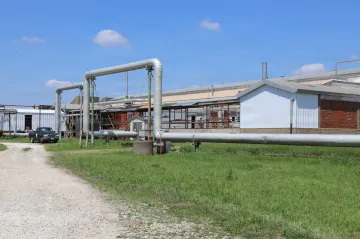
Army Plans Iowa Explosives Detonation Before Freezing Weather
The Army says it will detonate old, unstable explosives at the Iowa Army Ammunition Plant by November 24. In a court filing on November 21, it warned that temperatures falling below 30 degrees Fahrenheit could further destabilize the material and lead to an uncontrolled explosion. The Army said it was acting to protect the public from that danger, even as the plan faces a federal court dispute.
Army Pushes Ahead With Iowa Blast Despite Local Health Concerns
The Army is pressing ahead with a plan to blow up unstable explosives at the Iowa Army Ammunition Plant, even as local residents and officials raise health and environmental concerns. Environmental groups have sued to block the operation, and the plan is moving forward amid a federal court dispute.
The Army says falling temperatures could make the material more unstable and create a risk of an uncontrolled explosion. It plans to destroy the explosives by November 24, after postponing an operation originally set for November 20 following local opposition.
The material consists of 68 barrels of degraded lead azide, with the planned destruction described as involving five tons of toxic materials. The Army says sand barriers and water will help contain dust and debris, and that the operation will have no significant environmental impact. But those assurances do not erase the concerns driving the legal challenge as the Army advances its plan.
Army Cites Public Safety Risk in Iowa Explosives Plan
The Army says delaying the destruction of unstable explosives at its Iowa Army Ammunition Plant could put the public at greater risk. In a November 21 court filing, it warned that temperatures dropping below 30 degrees Fahrenheit could further destabilize the material and lead to an uncontrolled explosion.
The plan is to detonate the material by November 24. The Army had postponed a blast planned for November 20 after residents and local officials objected, while environmental groups filed suit to stop the operation. The dispute has reached federal court, but the Army says the danger of waiting has grown with changing temperatures.
The explosives are 68 barrels of degraded lead azide, and the operation has also been described as involving five tons of toxic materials. The Army says transporting the material is too risky and plans to use sand barriers and water to limit dust and debris. It maintains that destroying the explosives at the plant is necessary to protect the public.
Reported by FOX 26 Houston, CBS News, CBS Chicago.