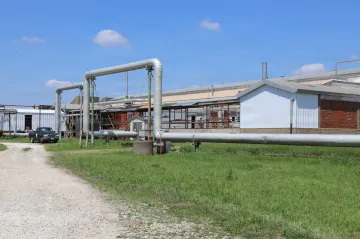
Army Sets Monday Blast for Unstable Lead Azide in Iowa
On November 23, the Army plans two controlled blasts to destroy 68 drums of lead azide at the Iowa Army Ammunition Plant in Middletown. The operation was moved from November 20 after objections from residents and elected officials, including Senator-elect Josh Turek, who called for more time to address health and safety concerns.
Iowa Residents Face Lead Concerns as Army Moves Ahead With Blast
The Army’s plan to detonate 68 drums of lead azide in Middletown on November 23 leaves residents worried about toxic particles in the air and on the ground. The blast was postponed from November 20 after public and official objections, but the delay has not resolved questions raised by people living near the plant.
The Army says modeling predicts an elevated level of lead particles in the air and acknowledges the explosion will send lead-containing material into a plume that can settle on the ground. Residents have been asked to leave the City Park neighborhood before the blasts, whose timing has not been announced.
The stakes extend beyond the immediate area: a University of Iowa environmental health professor said larger particles could land within 20 miles, while smaller particles may travel farther with the wind. Researchers plan to test air and soil after the detonation.
The Army argues that the material is too unstable to move safely and says delaying further risks worsening its condition as temperatures drop. But that explanation does not erase the concerns of residents who say they need clearer information about what they may return to after the explosion.
Army Moves to Dispose of Unstable Explosives Before They Become More Dangerous
The Army is preparing to destroy 68 drums of unstable lead azide at its Middletown ammunition plant on November 23, after delaying the operation from November 20 amid public objections. Officials say the explosives have degraded to the point that moving them could create an unacceptable risk for workers and the public.
The material is sensitive to heat and friction, and the Army says it discovered the problem during an inspection in March. After working with the EPA and other experts, officials determined a controlled detonation at the plant posed the lowest immediate risk. The Army also says postponing longer could leave the material more unstable as temperatures fall.
The concerns about lead fallout are real: officials expect particles to disperse and settle, and the Army has asked residents in the nearby City Park neighborhood to leave before the blasts. The operation could also cause loud noise, ground vibration and localized window damage.
Residents deserve updates and the Army says agencies will continue engaging with local officials and the community. But the choice is not simply between a blast and no risk: the Army says transporting the deteriorated chemicals could endanger the people handling them and the public along the route.
Reported by CNN, FOX 26 Houston.