FCC authorizes SpaceX plan for up to 1 million AI satellites
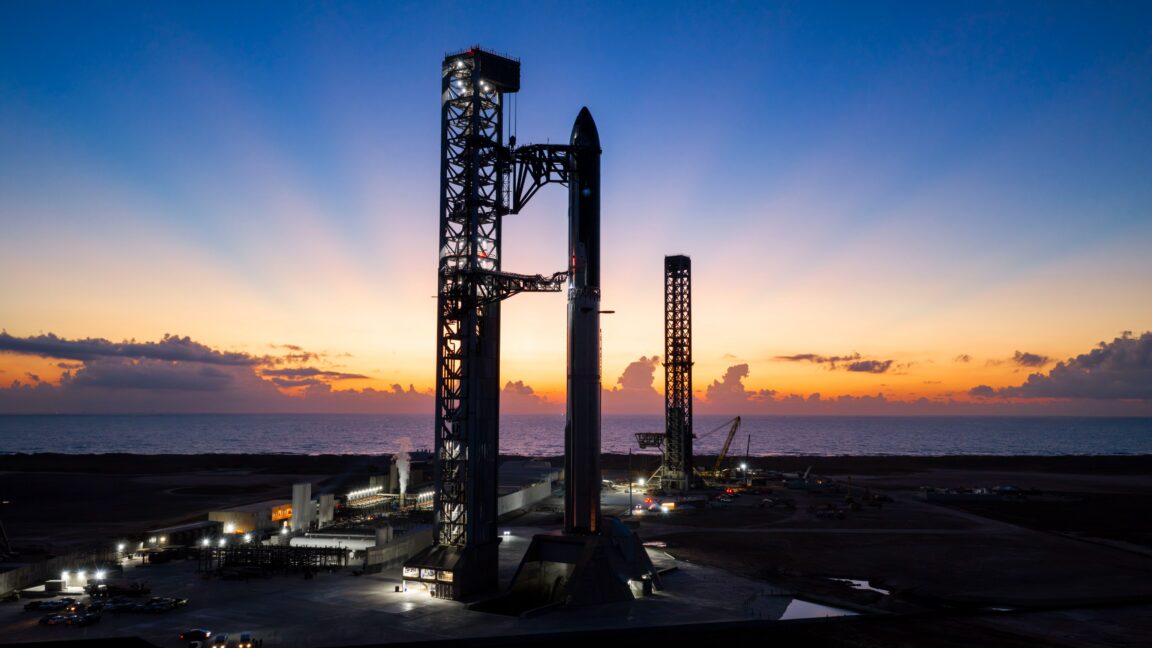
The Federal Communications Commission has conditionally approved SpaceX’s plan to build a constellation of up to 1 million satellites equipped with AI computing chips. The company says the system would collect solar power in space and use laser links connected to Starlink to send data to Earth. It is the first FCC approval for a full constellation intended as orbital data centers.
SpaceX must place at least one operational satellite in orbit by 2033. The authorization requires 100,000 working satellites by November 2035 and completion of the entire constellation by November 2040. If completed, the system could make the total orbital satellite population about 50 times larger.
The FCC did not approve SpaceX’s request for flexibility in disposing of satellites above 600 kilometers. The company had sought permission to move retired satellites into other Earth orbits or into orbit around the Sun, instead of allowing them to burn up in the atmosphere. The agency said SpaceX had not supplied enough information about its disposal plans.
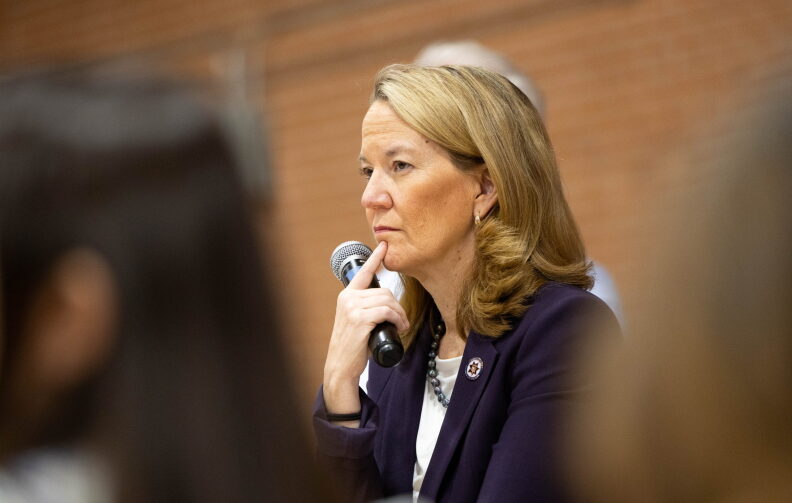
FCC Chairman Brendan Carr said the decision would support investment and computing infrastructure for the United States. The approval removes a regulatory hurdle, but does not establish whether orbital data centers can work technically or economically.
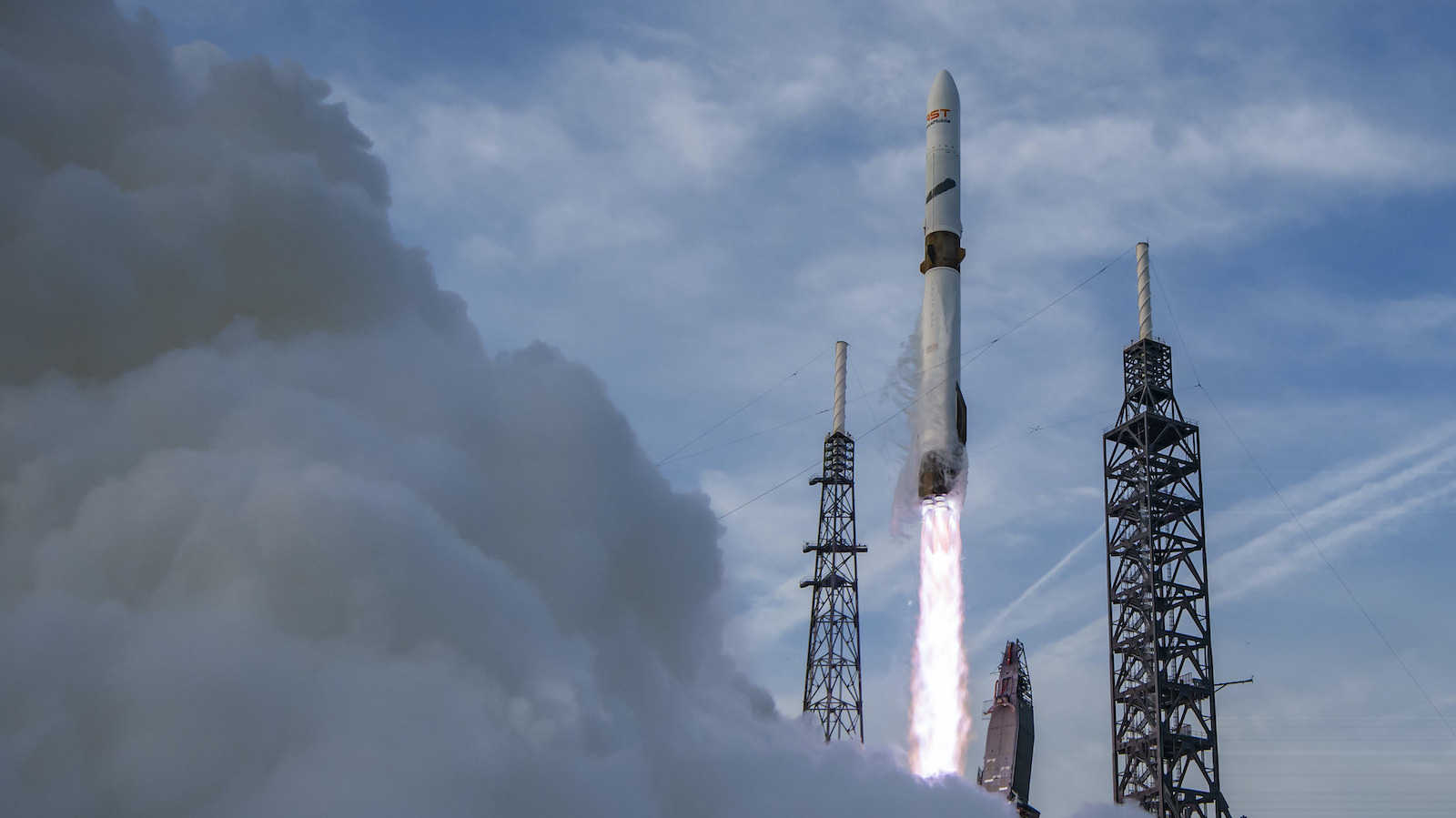
SpaceX plans to manufacture chips for the satellites at a future Terafab facility. Other companies are also pursuing computing infrastructure in space: Google launched its Project Suncatcher AI server satellite in October 2026, while Blue Origin plans a dedicated heavy-lift launch for the project in 2029.
FCC gives SpaceX sweeping approval for an unproven space project
The FCC has cleared SpaceX to pursue a constellation of up to 1 million AI satellites, handing Elon Musk’s company a major regulatory victory while the basic viability of orbital data centers remains unestablished. The project’s scale could make the orbital fleet about 50 times larger.
SpaceX has until 2033 to put one operational satellite in orbit, November 2035 to reach 100,000, and November 2040 to complete the constellation. Those long deadlines give the company years to develop an ambitious system that it says will use solar energy and laser links to deliver computing capacity to Earth.
The agency did withhold approval for SpaceX’s preferred options for disposing of satellites above 600 kilometers, saying the company had not provided sufficient information. But the overall authorization gives the project a broad path forward even as important technical and economic questions remain.
The decision came as Musk has allied himself with the Trump administration. FCC Chairman Brendan Carr framed the approval as a way to advance American investment and computing infrastructure. The stakes, however, extend beyond that promise: the FCC has authorized an unprecedented constellation before its feasibility has been demonstrated.
FCC clears major path for America’s next computing frontier
The FCC has opened the door for SpaceX to pursue a vast network of AI satellites, a move the agency’s chairman says can spur investment and strengthen America’s computing infrastructure. The conditional approval allows up to 1 million Starmind satellites, a project SpaceX says would harness solar power in space and send data to Earth through laser links connected to Starlink.
The schedule gives the company until 2033 to deploy one operational satellite, November 2035 to reach 100,000, and November 2040 to complete the constellation. If built, the system could make the satellite population in orbit roughly 50 times larger.
The FCC did not grant SpaceX’s request to move satellites above 600 kilometers into alternative disposal orbits, citing inadequate information about its plans. That condition leaves a disposal question to address without blocking the wider project.
The authorization is a major regulatory step, though it does not prove orbital data centers will be technically or economically viable. Google and Blue Origin are also pursuing space-based computing efforts, making the FCC’s decision a significant opening for a proposed new kind of infrastructure.
Reported by The Verge, The Guardian, Ars Technica, The Washington Examiner, Fox Business, TechCrunch, CBS News.