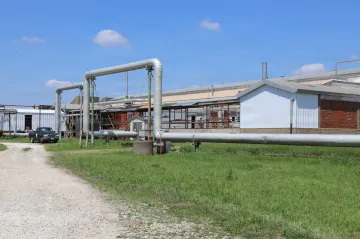
Army Could Bypass Paused Permit for Iowa Explosives Blast
A federal appeals court has paused the Environmental Protection Agency permit for a planned detonation at the Iowa Army Ammunition Plant, but the Justice Department says regulations may let the Army proceed without that permit in an emergency. The filing on November 20 did not say whether the Army would do so. The blast is scheduled for November 23.
Army’s Emergency Claim Risks Bypassing Court and Public Protections
The Justice Department is asserting an emergency escape route for the Army as a federal appeals court weighs whether the planned Iowa blast can proceed. The court paused the EPA permit, yet the government says rules may allow the Army to act without it. The scheduled detonation is November 23, and the filing did not say whether the Army intends to go ahead.
The plan concerns 68 drums of degraded lead azide, stored for more than 20 years at the Iowa Army Ammunition Plant. Army modeling indicates lead-bearing dust could settle across an area about 25 miles north of the site, with lower airborne concentrations traveling farther. Residents of Middletown were asked to leave during the blast because the force could break windows.
Environmental groups argue the permit lacked sufficient health and environmental safeguards, did not fully assess alternatives and lacked required public participation. Their attorney urged the Army not to use the emergency provision, which the groups view as a last-resort measure. The Army considered chemical neutralization but concluded the handling period could create an intolerable chance of a deadly unintended explosion.
On November 20, Iowa Gov. Kim Reynolds opened the State Emergency Operations Center to coordinate agencies ahead of the planned blast. The dispute now puts the court’s pause and the government’s asserted emergency authority at the center of a decision with potential consequences for nearby communities.
Unstable Army Explosives Put Emergency Safety Judgment to the Test
The Army faces a deteriorating explosive hazard, while a federal appeals court has paused the EPA permit for its planned disposal. On November 20, the Justice Department told the court that emergency rules may allow the Army to act without a permit if public safety or the environment faces imminent danger. The detonation is set for November 23; the filing did not say whether the Army would proceed.
The 68 drums of lead azide have been stored for more than two decades and, the Army says, have degraded and recrystallized, making them highly sensitive to friction and shock. Acting Army Secretary Adam Telle said the planned date was the last workable moment before colder temperatures could further destabilize the material.
The Army assessed chemical neutralization but rejected it because handling the material for seven to 22 days could bring an unacceptable risk of a fatal accidental blast, without certainty the process would work. EPA officials also said other options, including moving the drums or leaving them in place, posed unacceptable safety risks. The Army settled on a controlled detonation with mitigation measures.
The court’s pause remains in place while it considers the environmental groups’ emergency request. Iowa’s governor activated the State Emergency Operations Center on November 20 to coordinate agencies. Residents and officials are left weighing the risk of the planned blast against the Army’s stated danger from leaving the material untreated.
Reported by Raw Story, Fortune, Chicago Sun-Times.