Alliana Takes Paraguay’s Presidency After Peña’s Removal
Pedro Alliana took office on November 6, succeeding Santiago Peña after the Senate voted unanimously to remove him for misconduct. All 44 senators present backed the decision, which came three days after regulators seized Ueno Bank and blocked nearly 3 million customers from accessing their savings. Alliana, 52, had been Peña’s vice president and will serve through August 2028.
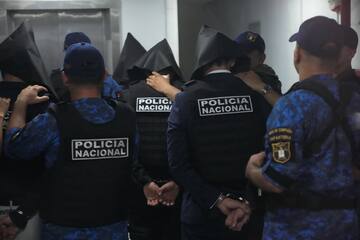
Prosecutors ordered Peña’s arrest on suspicion of breach of trust and asked police to keep him at home until he could appear before an economic crimes and anti-corruption unit. They also sought the arrest of former central bank chief Carlos Carvallo, whom Peña had appointed. It was unclear whether either man had been detained.
Lawmakers accused Peña of using political influence to direct hundreds of millions of dollars in public money to Ueno while regulators failed to address risky insider loans. Peña has denied wrongdoing. The investigations also encompass officials serving now or formerly at the central bank and pension fund, as well as Alliana.
Peña had offered to resign the day before, but Congress rejected that route. His lawyers argued that lawmakers should have accepted his departure rather than hold an impeachment trial. Opponents said removal would prevent him from gaining the lifetime Senate seat and associated immunity available to former elected presidents.
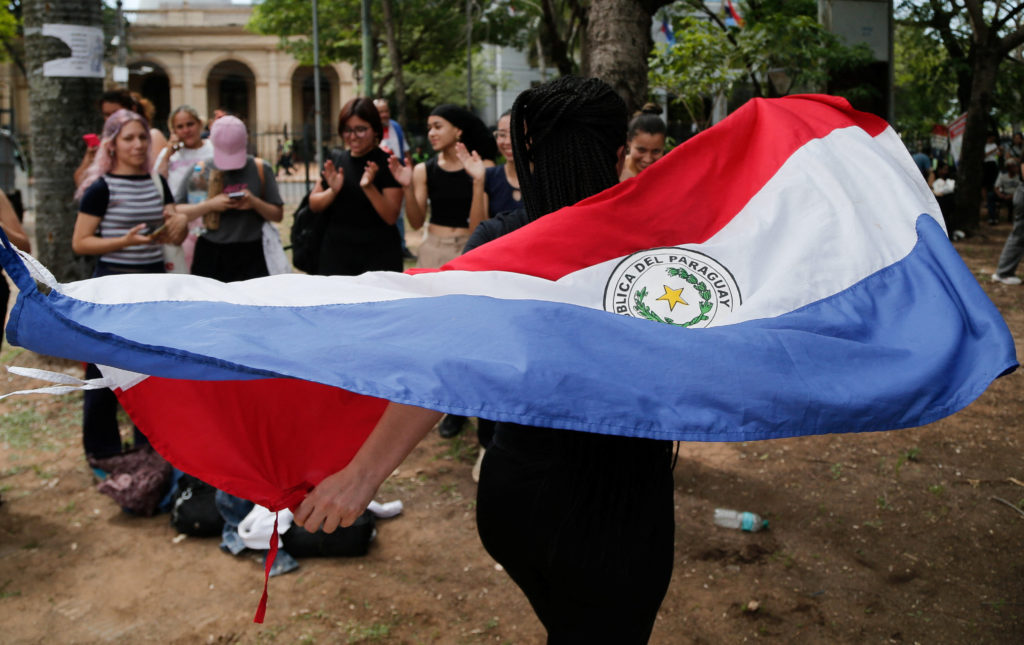
Thousands of people have protested, demanding their deposits back and accountability for the bank’s collapse. Clashes with police this week involved rubber bullets and pepper spray. Paraguay’s largest teachers’ union, with more than 40,000 members, plans an indefinite national strike beginning November 9 to seek safeguards for public pension funds. Alliana now faces pressure to return depositors’ money and hold those responsible to account.
Paraguay’s Bank Collapse Demands Accountability from New President
Paraguay’s Senate removed Santiago Peña after the collapse of Ueno Bank froze the savings of nearly 3 million customers. On November 6, Pedro Alliana, Peña’s former vice president, was sworn in to lead a government facing demands to return the money and punish those responsible.
All 44 senators present voted for Peña’s removal. Lawmakers accused him of using his influence to direct public money totaling hundreds of millions of dollars to the bank while regulators overlooked risky insider lending. Peña denies wrongdoing, but prosecutors have sought his arrest on suspicion of breach of trust and are investigating officials tied to the bank, public pensions and central banking, as well as Alliana.
The crisis is not just a political fight over who holds office: depositors cannot access their savings, and public pension funds are also at stake. Thousands have protested, with clashes involving police firing rubber bullets and using pepper spray. A teachers’ union representing more than 40,000 members plans an indefinite national strike from November 9 to demand pension protections.
Peña offered to resign, but Congress rejected that course. His opponents argued removal was necessary to deny him the lifetime Senate seat and immunity granted to former presidents. Alliana’s immediate test is whether his administration can restore funds and establish accountability. A change of president alone does not resolve the harm facing depositors.
Paraguay’s Political Crisis Deepens as Senate Ousts Peña
Paraguay’s Senate has forced out President Santiago Peña during a fast-moving banking crisis, and Pedro Alliana has taken over for the remainder of the term through August 2028. The vote was unanimous among the 44 senators present, but the upheaval leaves the country with a new president and unresolved questions over Ueno Bank.
Regulators seized the bank three days before Peña’s removal, cutting nearly 3 million customers off from their savings. Prosecutors then sought Peña’s arrest over suspected breach of trust and requested the arrest of former central bank chief Carlos Carvallo. Peña denies wrongdoing; investigations also involve current and former officials and Alliana.
Peña had offered to resign, but Congress chose impeachment and removal instead. His lawyers objected, arguing lawmakers should have accepted his departure. Opponents said removal was needed to prevent him from receiving the lifetime Senate seat and immunity available to former elected presidents. That decision has made the political consequences of the bank crisis even more consequential.
Protests have brought clashes with police, while a teachers’ union of more than 40,000 members plans an indefinite strike beginning November 9 over protection of public pension funds. Alliana inherits pressure to return depositors’ money and pursue those responsible. The country now faces the difficult task of addressing a financial collapse without letting political conflict eclipse the need for answers.
Reported by The Philadelphia Inquirer, Local 10 Miami.