G20 Talks End in Atlanta Without Agreement on Major Issues
The foreign ministers did not issue a joint communiqué after their Atlanta meeting. Secretary of State Marco Rubio said a statement from the meeting’s chair would instead summarize the discussions. He acknowledged that the countries were far from resolving major disputes, while pointing to cooperation on supply chains and critical minerals as areas of progress.
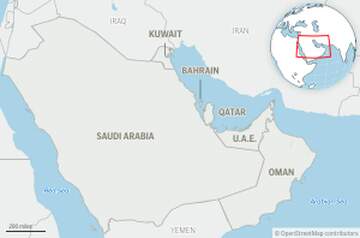
Rubio held separate talks with officials from Australia, India and Japan on trade routes and supply chains. The discussions addressed passage through waters such as the Gulf of Oman, the Red Sea, the Black Sea and the South China Sea. Disagreements involving Russia’s war in Ukraine, the conflict between Israel and the United States with Iran, American tariffs and China’s actions in the South China Sea overshadowed the gathering. Diplomats said the disputes were linked to higher fuel costs and trade uncertainty.
European officials objected to Russian Foreign Minister Sergey Lavrov’s attendance, and the traditional group photo was canceled after diplomats threatened to boycott or leave it. The U.S. also faced objections over excluding South Africa from the meeting. The State Department approved a proposed $2.1 billion sale of Patriot interceptors for Ukraine. Participants said they would try to clear a path for next month’s G20 leaders’ summit in Florida, hosted by President Donald Trump. Rubio said he would release the chair’s statement later on October 31, 2026.
G20 Divisions Expose the Cost of Trump’s Foreign Policy
The Atlanta talks ended without a joint communiqué, laying bare how far apart the world’s major economies remain on urgent security issues. The meeting’s chair will issue a statement instead. While Secretary of State Marco Rubio highlighted possible cooperation on minerals and supply chains, that narrow opening did not bridge deep divides over Russia’s war in Ukraine, the fighting between Israel and the United States with Iran, tariffs or China’s actions at sea.
The Trump administration’s choices added to the discord. European diplomats objected to Russian Foreign Minister Sergey Lavrov’s presence, leading to cancellation of the traditional group photo. Participants also disagreed with the decision not to invite South Africa, a G20 member. The State Department’s approval of a proposed $2.1 billion Patriot interceptor sale for Ukraine came as diplomats discussed Russia’s continued war and the risks to regional security.
The meeting’s failure to produce a shared position matters as leaders prepare to meet in Florida next month. Participants said they would work toward making that summit successful, but the Atlanta talks showed the limits of unity while these conflicts and policy disputes remain unresolved. Rubio said the chair’s statement would describe the discussions, not a consensus the ministers did not reach.
G20 Talks Show Limits of Global Consensus on Security
The Atlanta meeting ended without a joint communiqué, underscoring that international agreement is not a realistic outcome on every security dispute. Secretary of State Marco Rubio said the chair would issue a statement and pointed to practical cooperation on supply chains and critical minerals. Talks with Australia, India and Japan focused on keeping key maritime routes open and strengthening access to essential minerals.
Disputes over Russia’s war in Ukraine, Iran, U.S. tariffs and China’s actions in the South China Sea blocked a common position. European diplomats objected to Russian Foreign Minister Sergey Lavrov’s attendance, and the group photo was canceled after threats of a boycott. The U.S. also drew objections for not inviting South Africa. Meanwhile, the State Department approved a proposed $2.1 billion sale of Patriot interceptors for Ukraine.
The ministers’ inability to settle these differences does not erase the value of cooperation where interests align. Participants said they would seek to make next month’s leaders’ summit in Florida successful. Rubio’s emphasis on trade routes and mineral supplies offered a concrete agenda, even as the Atlanta meeting made clear that the G20 cannot compel agreement on the wars and competing national positions dividing its members.
Reported by Local 10 Miami, The Philadelphia Inquirer.