G20 Scraps Atlanta Group Photo Amid Dispute Over Lavrov
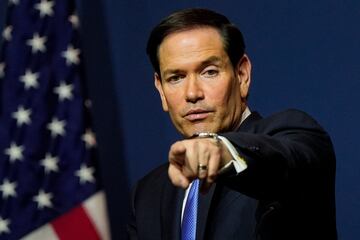
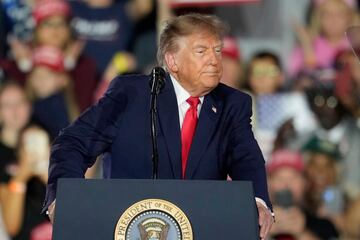
Secretary of State Marco Rubio canceled the traditional photograph after several European delegations said they would refuse to stand with Lavrov or leave the event. U.S. officials said the photo risked becoming a distraction from the discussions. The foreign ministers’ meeting opened as planned on October 30 and is scheduled to continue through Saturday, setting the stage for a G20 leaders’ summit in Miami in December hosted by President Donald Trump.
Rubio urged participants to address interconnected economic and geopolitical crises, including risks to fuel and agricultural provisions, commerce and the right to navigate freely. The meeting’s agenda includes the war between Russia and Ukraine, the conflict involving Iran, Israel and the United States, American import duties and tensions in the South China Sea. U.S. officials identified passage through the Gulf of Hormuz, the Red Sea, the Black Sea and waters near China’s southern coast as priorities.
Lavrov’s attendance has sharpened disagreements between Washington and European governments over Russia. The United Kingdom said it would not change its policy of avoiding one-on-one talks with Russian officials following Moscow’s attack on Ukraine. German Foreign Minister Johann Wadephul said the United States and Europe shared the goal of ending the war, while acknowledging differences in tone.
Ukraine was not invited, although it has attended previous G20 meetings. South Africa, a founding member, was also absent; its foreign ministry spokesperson said the country’s nonparticipation was not voluntary. South Africa said it was ready to take part when Britain assumes the G20 presidency next year.
The G20 gathering brings together diplomats from the world’s largest economies, but officials have signaled little prospect of agreement on its most contentious issues. China sent a deputy foreign minister, while most participating countries sent their top diplomats. The possibility of renewed U.S. strikes on Iran also hangs over the meeting.
Lavrov’s G20 Welcome Deepens Rift With Ukraine’s Allies
The canceled photo offered a stark signal of the cost of inviting Lavrov while Russia continues its war against Ukraine. European diplomats threatened to boycott or walk out rather than be pictured with him, and Secretary of State Marco Rubio abandoned the ceremony to avoid a public confrontation overshadowing the G20 talks.
The dispute reflects broader strain between the Trump administration and its European allies. Trump has waived some sanctions on Russia and temporarily limited logistical and intelligence assistance to Ukraine, while Moscow’s attacks on Ukrainian cities have intensified. A British official said the country would maintain its policy against one-on-one talks with Russian officials following Moscow’s attack on Ukraine.
Ukraine was not invited to the Atlanta meeting, despite having attended previous G20 gatherings. South Africa, a founding member, was also excluded from the invitee list; its foreign ministry spokesperson said its absence was not voluntary. Those choices raise questions about whose concerns are represented as the United States hosts the forum.
Rubio called for cooperation on fuel, agricultural provisions, commerce and safe passage at sea. But the meeting also confronts the Russia-Ukraine war, possible renewed U.S. military action against Iran, tariffs and South China Sea tensions. European officials say Russia must come to negotiations to end the war, while the meeting has offered no sign of consensus on that or other major disputes.
Photo Dispute Threatens G20 Diplomacy as Global Crises Mount
The G20 meeting opened without its customary group photo after European delegations threatened to walk out rather than appear alongside Lavrov. Secretary of State Marco Rubio canceled the ceremony, saying in effect that the controversy risked distracting from the work. The talks themselves went ahead as planned.
The episode underscores how political objections can complicate diplomacy at a moment when countries face shared economic and security pressures. Rubio urged the ministers to cooperate on fuel and agricultural provisions, commerce and safe passage at sea, including across the Gulf of Hormuz, the Red Sea, the Black Sea and waters near China’s southern coast.
Russia’s war against Ukraine remains a central divide. European governments oppose Russia’s presence and say Moscow must negotiate an end to the war; the Trump administration has taken steps including waiving some Russian sanctions while seeking to keep Moscow engaged. German Foreign Minister Johann Wadephul said the United States and Europe share the goal of ending the conflict, even if their tone differs.
The agenda also includes Iran, U.S. tariffs and China’s actions in the South China Sea. The prospect of renewed U.S. military strikes against Iran adds to regional anxiety. Ukraine was not invited, and South Africa said its absence from the meeting was not voluntary. With such divisions, the gathering faces a difficult task in building agreement before the leaders’ summit in Miami in December.
Reported by The Philadelphia Inquirer, Local 10 Miami, The New Republic, BBC US & Canada, CNN, PBS NewsHour, The Guardian US, ClickOnDetroit WDIV, KPRC 2 Click2Houston.