Oil Prices Drop as Iran Talks Raise Hopes of Peace
Oil prices recorded their steepest daily percentage declines since July after fresh signs that the United States and Iran might pursue a diplomatic way out of their conflict. Brent crude fell 7.6% to $104.77 a barrel, while U.S. crude slid 7.3% to $96.46. The U.S. benchmark briefly traded below $100.
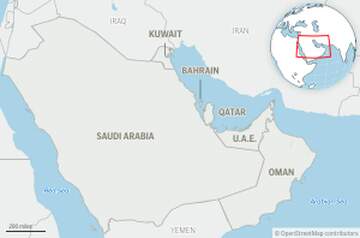
Investors responded to word that Iran’s supreme leader had given the government authority to seek a resolution through dialogue, as well as indications that President Donald Trump wanted negotiations to continue. Iran’s foreign minister said contacts through mediators were active and that an outcome depended on Washington’s political judgment. Qatar has also been working to broker a deal, including discussions over more than $6 billion in Iranian assets and reopening the Strait of Hormuz.
The fall followed a week of concern that fighting could intensify after the U.S. midterm elections. Trump had previously warned Iran of military action, while Secretary of State Marco Rubio said the president preferred a diplomatic outcome but had not ruled out force. Trump told reporters on Monday that oil was down and predicted further declines.
The market reaction lifted airline shares and helped push down government borrowing costs. But analysts cautioned that prices could rebound if talks fail or fighting damages energy infrastructure. Oil remains well above the $60-to-$70 range seen before the war began in late February, and diesel prices have also risen substantially this year, adding to pressure on consumers and businesses.
Diplomacy Sends Oil Lower After Weeks of War-Fueled Anxiety
A sharp drop in oil prices showed how quickly the prospect of diplomacy can ease some of the economic strain caused by war. Brent fell 7.6% and U.S. crude 7.3% on Monday, November 2, after signals from Washington and Tehran revived hopes for talks to end the conflict.
Iran said contacts through mediators were continuing, and its supreme leader had granted the government authority to pursue dialogue. Qatar has also been trying to broker a deal, including arrangements involving Iranian assets and the Strait of Hormuz, a vital route for global oil shipments. The diplomatic opening follows concern that the United States might resume attacks after its midterm elections.
Trump has said he would prefer a diplomatic solution, but military action remains an option. That uncertainty leaves energy markets exposed to the consequences of further escalation, while oil and diesel prices remain far above their prewar levels. The steep price moves underline the costs borne by consumers and businesses when conflict threatens energy supplies—and why negotiations matter more than threats of another round of fighting.
Analysts warned that the relief could prove temporary if talks collapse or energy infrastructure is damaged. The price decline lifted airline shares and lowered government borrowing costs, but it does not erase the disruption and inflationary pressure already caused by the war.
Oil Slides as Trump’s Iran Diplomacy Offers Hope of Relief
Oil’s steepest daily percentage decline since July followed new signs that President Donald Trump’s approach could deliver negotiations without an immediate return to wider fighting. Brent crude dropped 7.6% and U.S. crude 7.3% on Monday, with the American benchmark briefly falling below $100 a barrel.
Trump has said he would prefer to resolve the conflict diplomatically, while keeping the option of military action open. Iran, too, signaled that its government had authority to pursue dialogue, and its foreign minister said talks through mediators were intensive. Qatar is working to broker an agreement that could restore normal shipping through the Strait of Hormuz.
The market’s response brought a welcome prospect of lower fuel costs, with airline shares rising as crude fell. Yet the decline is no guarantee of lasting relief: analysts warned that failed talks or damage to energy infrastructure could push prices sharply higher. Oil remains well above its prewar range, and diesel prices have surged this year.
The administration has also pointed to measures intended to ease energy costs, including a coordinated release of oil reserves and steps affecting fuel and shipping. The immediate price drop reflects optimism about diplomacy, but the risks to supply—and the consequences for consumers—remain tied to whether negotiations produce an agreement.
Reported by Semafor, Daily Mail US, The Guardian US, The Daily Caller, NBC News.