Gulf Officials Urge Diplomacy to Prevent Renewed Iran War
At the Manama Dialogue security summit in Bahrain on November 1, Gulf officials backed Qatar-led efforts to ease the crisis with Iran and warned that another round of fighting could bring greater harm to the region. UAE presidential adviser Anwar Gargash said political efforts should lead, because military action would complicate an already difficult situation rather than offer a quick way out. He also said the sides’ positions remained far apart and the region was preparing for the possibility of escalation.
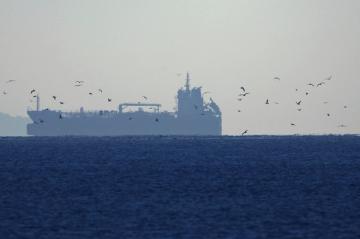
Iranian Foreign Minister Abbas Araghchi said Iranian negotiators were in Qatar discussing a proposal that could soon reopen the Strait of Hormuz. He said Tehran was not holding direct talks with Washington and that progress depended on U.S. responses to Iranian questions. Araghchi said Iran was prepared for diplomacy or defense, depending on Washington’s approach.
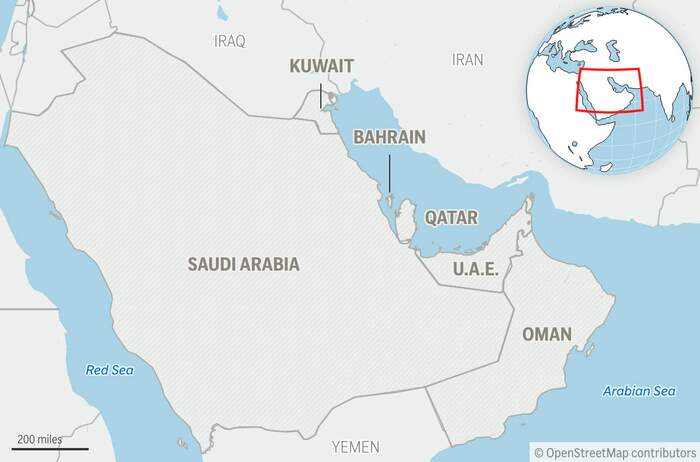
Bahrain’s foreign minister, Abdullatif bin Rashid Al Zayani, welcomed efforts to reduce tensions, while accusing Iran of continuing threats to regional stability. Gulf states have also strengthened their defenses since the war’s April ceasefire. The UAE faced more than 3,000 Iranian drone and missile attacks before the ceasefire, most of which were intercepted, while Bahrain was targeted by hundreds of drones and nearly 200 ballistic missiles, according to figures cited at the summit. Saudi Vice Foreign Minister Waleed Elkhereiji likewise voiced support for peace while noting his country’s investment in defense. The United States sent its smallest delegation to the summit in years, despite Bahrain hosting the U.S. Navy’s Fifth Fleet.
Gulf Leaders Warn Against Another U.S.-Iran Military Escalation
Gulf officials at the Manama Dialogue made clear on November 1 that diplomacy, not another military escalation, is the route they want pursued with Iran. UAE presidential adviser Anwar Gargash warned that military action would further complicate the crisis without providing a quick exit. Qatar-led mediation is underway, and Iran says talks in Qatar concern a possible plan to restore passage through the Strait of Hormuz.
The stakes for Gulf countries are not abstract. Before the April ceasefire, the UAE faced more than 3,000 Iranian drone and missile attacks, most intercepted, while Bahrain was targeted by hundreds of drones and nearly 200 ballistic missiles. Officials said they were preparing for escalation, but that preparation does not erase their opposition to another confrontation. Bahrain’s foreign minister also called for efforts to reduce tensions and create space for dialogue.
The United States, the region’s foremost defense ally, dispatched its smallest contingent to the summit in years, leaving Gulf officials’ appeal against renewed conflict with little U.S. presence to hear it. Araghchi said Iran was not engaged in direct talks with Washington and that progress depended on U.S. answers to Iranian questions. The distance between the sides makes diplomacy urgent; choosing military pressure risks making a dangerous crisis still harder to contain.
Iran’s Threats Keep Gulf States Braced Despite Diplomacy Push
Iran’s record of attacks and threats shaped the Manama Dialogue on November 1, even as Gulf officials pressed for diplomacy. Bahrain’s foreign minister, Abdullatif bin Rashid Al Zayani, said Iran had continued to threaten regional stability after the ceasefire, including threats to underwater data cables. He also linked attacks by Iran-backed Houthi rebels on Saudi Arabia to a continuing pattern of danger.
The scale of the war’s impact underscores why Gulf states are strengthening their defenses. The UAE faced more than 3,000 Iranian drone and missile attacks before the April ceasefire, most intercepted. Bahrain was targeted by hundreds of drones and nearly 200 ballistic missiles, with attacks hitting a naval base, homes, the financial district and a desalination plant. Saudi Vice Foreign Minister Waleed Elkhereiji voiced support for peace while emphasizing the kingdom’s investment in defense and deterrence.
Diplomacy remains the stated preference: UAE adviser Anwar Gargash backed Qatar-led mediation and said military solutions would not quickly resolve the crisis. But Iran’s foreign minister said there were no direct talks with the United States, and that progress depended on Washington’s response to Iranian questions. Gulf countries are therefore pursuing dialogue while preparing for escalation. The United States sent its smallest delegation to the summit in years, even though Bahrain hosts the U.S. Navy’s Fifth Fleet.
Reported by ClickOnDetroit WDIV, Semafor.