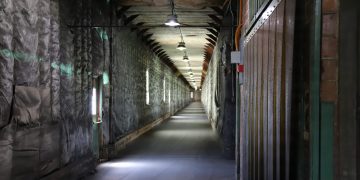
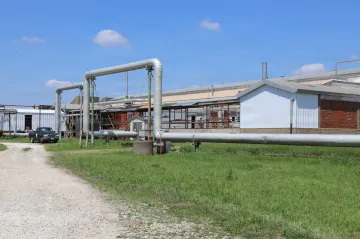
Army Sets Wednesday Detonation of Unstable Lead Azide in Iowa
The detonation is scheduled for 10 a.m. EST at the ammunition plant in southeastern Iowa. Acting Army Secretary Adam Telle said federal agencies agreed to proceed after finding no viable alternative to a controlled blast. Officials say the deteriorating material could otherwise explode without warning, posing a greater danger than a managed detonation.
The plan has been delayed several times amid public concern, legal action by environmentalists and political disputes. The operation was initially scheduled for November 20. President Donald Trump ordered a pause pending a court ruling and approval from Iowa governor-elect Rob Sand, who will take office in January.
Residents within five miles are being encouraged to evacuate, while people within 20 miles are advised to stay indoors with windows closed. State health officials recommend staying inside for 24 to 48 hours. Forecasts for the potential plume have shifted with the schedule; the latest models show it moving southwest into southern Iowa and Missouri, where officials estimate about 350 farms could be affected.
The timing has disrupted Thanksgiving preparations, with residents and businesses trying to follow changing guidance and closures. Some farmers have obtained lead-testing kits and are preparing to check soil and protect livestock feed. A store employee said customers had sought water containers, tarps and other supplies.
Federal officials said protocols are in place to keep food entering the supply chain free of heavy metals. Senator Joni Ernst has called for greater transparency and accountability, while residents have voiced anger about communication and the risks to nearby communities.
Army’s Iowa Blast Plan Puts Residents and Farms at Risk
The Army is moving ahead with a November 25 detonation of 68 barrels of lead azide at its southeastern Iowa ammunition plant, despite residents’ concerns about toxic dust and the disruption to Thanksgiving plans. People within five miles are urged to evacuate, and those within 20 miles are advised to stay indoors with windows shut for up to 48 hours.
Officials say they found no viable alternative and argue a controlled blast is safer than an uncontrolled explosion. But the shifting schedule and changing plume forecasts have left communities struggling to prepare. The latest models place southern Iowa and Missouri in the plume’s path, with about 350 farms potentially affected.
Environmentalists sued to stop the operation, and President Donald Trump ordered a pause while a court ruling and sign-off from governor-elect Rob Sand were pending. The Army has now decided to proceed. Residents say communication came late and that the blast’s timing threatens travel and family plans.
Farmers are preparing independently, with one livestock business distributing more than 100 lead-testing kits. Federal officials say food-safety protocols are in place, but that assurance does not erase the need for clear answers about how the explosives deteriorated or why communities were left scrambling. Senator Joni Ernst has also demanded transparency and accountability.
Army Chooses Controlled Blast Over Uncontrolled Explosive Risk
The Army plans to carry out a controlled detonation at the Iowa Army Ammunition Plant on November 25, after federal agencies concluded they had no viable alternative for dangerously unstable lead azide. Acting Army Secretary Adam Telle said experts consider a managed blast preferable to a spontaneous detonation.
The operation will affect Thanksgiving plans across parts of Iowa, Illinois and Missouri. Residents within five miles are encouraged to leave, while those within 20 miles are advised to stay inside with windows closed. The latest plume models point southwest toward southern Iowa and Missouri, where officials estimate roughly 350 farms could be affected.
Repeated delays, public outcry and a lawsuit by environmentalists have contributed to confusion over closures and preparation advice. President Donald Trump ordered a pause pending a court ruling and approval from governor-elect Rob Sand, who takes office in January. The Army has now chosen to proceed.
Local frustration over communication is real, and Senator Joni Ernst has called for transparency and accountability. Still, officials say the material’s condition made action necessary, and federal agencies say protocols are in place to prevent heavy metals from entering the food supply. Farmers are also taking precautions, including soil testing and protecting livestock feed.
Reported by New York Post, The Guardian, Mother Jones, BBC, Raw Story.