Al Gore responds after COP31’s fossil fuel fight

The COP31 failure came at the summit in Antalya, where countries could not agree on moving away from fossil fuels. More than two weeks of negotiations ended without consensus on a final text. The meeting also ran beyond its scheduled end. The breakdown exposed deep divisions over fossil fuels and financial support for nations facing climate damage. COP31 was held in Antalya, Turkey.
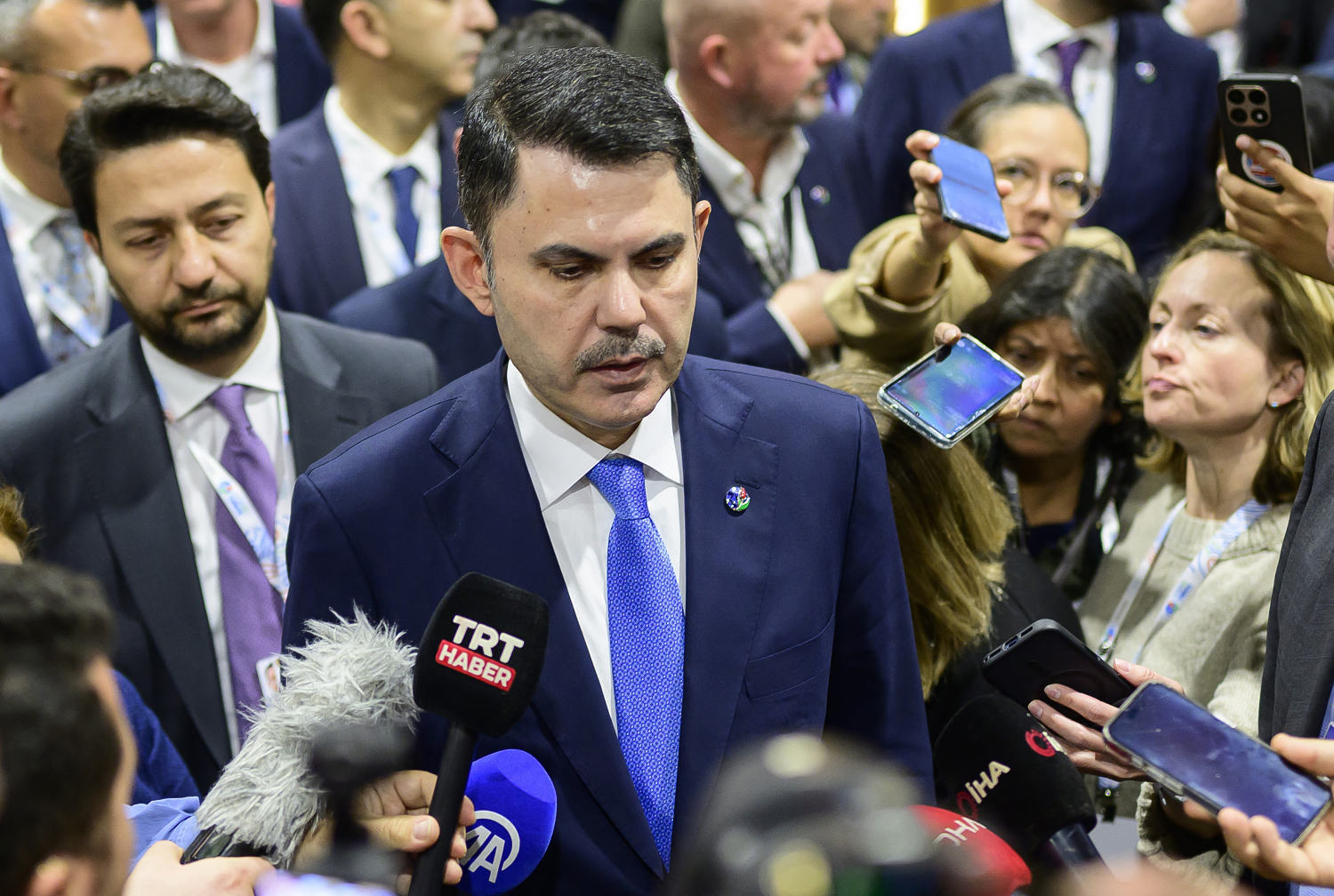
The dispute was not about an abstract phrase. Some countries wanted the agreement to name fossil fuels and describe a transition away from them. The final text left out that language. The proposed deal was rejected by Norway, Panama, the Marshall Islands and the European Union. Ireland’s climate minister, Darragh O’Brien, said the EU would not accept an agreement that failed even to mention fossil fuels. COP31 president Murat Kurum acknowledged that consensus was absent.
That failure came amid a worsening climate outlook. A recent UN report cited in the coverage projected that current policies could bring 2.8 degrees Celsius of warming above pre-industrial levels. That would exceed the 1.5-degree goal. The same account put current warming at about 1.4 degrees. It pointed to deadly heat in Europe and catastrophic flooding in Nepal. Those estimates do not settle every policy argument. But they sharpen the stakes: countries are negotiating as climate impacts are already being felt. The gap between stated targets and present policy remains wide.
The summit’s political divide was plain. Climate-vulnerable countries and supporters of stronger action pressed for a clearer path away from fossil fuels. They also sought more financial support. Oil-exporting nations opposed language they viewed as a threat to their exports. But the reporting also notes a harder truth for governments that import oil. They have not agreed on a workable way to reduce dependence without risking economic and political costs. The result is a familiar stalemate. Governments acknowledge the problem while resisting commitments that would force difficult choices at home.
COP31 also marked a retreat from language adopted at COP28 in Dubai in 2023. Countries then agreed to a call to “transition away from fossil fuels.” According to the reports, that commitment has not been repeated or strengthened in later talks. The latest dispute is covered in more detail in the account of COP31’s fossil-fuel negotiations. Meanwhile, the retreat from transition language traces why the wording matters. The summit’s collapse was described as the first major breakdown since COP15 in Copenhagen in 2009. The meeting was also reported to have become the longest COP on record.
Al Gore called the outcome an outrage. He blamed a handful of petrostates for blocking any mention of fossil fuels. He argued that most countries had negotiated in good faith and wanted a fair transition. He also called for reform of the UN process, so it better reflected the majority’s position and current climate science. Gore pointed to progress beyond national negotiations, including at local levels and in the private sector. That is his view of what the impasse means. The talks themselves show that the countries involved could not agree on the text.
The summit’s conduct became part of the argument, too. One report relayed a claim that 93 private jets arrived in the host city during the conference, compared with 66 the previous year. The figure was presented as evidence of hypocrisy. But counting aircraft does not resolve the larger issue. Will governments make commitments that change fossil-fuel use and support countries facing climate harms? Attacks on climate advocates—including claims that the process is a “scam”—do not answer that policy question. Nor does one failed negotiation prove climate risks are invented or meaningful action is impossible.
What comes next is uncertain. Gore wants a reinvigorated multilateral process. The countries that rejected the text have made clear that an agreement without fossil-fuel language was not enough. The final breakdown over the wording leaves negotiators with the same core conflict for future talks. How can broad climate goals become commitments countries will actually accept and carry out? For my part, the most telling fact is that even the language of transition remains contested. That is a reason to press for clearer commitments, not to pretend the problem has gone away.