What COP31 negotiators are still fighting over
COP31 climate talks have run past their deadline, with no clear path to an agreement on fossil fuels or money for countries facing climate damage. As workers packed up exhibits and catering stands in Antalya, negotiators from nearly 200 countries were still trying to bridge deep divisions. The extra hours may produce a deal, or they may produce nothing. Either way, the summit’s central test is whether governments will confront the causes of warming and help those least equipped to survive its impacts.
The two-week United Nations conference was scheduled to end Friday, November 20, 2026. Negotiations continued into Saturday, November 21, but hopes for a major shift had weakened: no revised draft had appeared by Saturday afternoon. A Thursday draft had removed earlier language about ending fossil fuel use, and it also left out a proposed $120 billion target for helping developing countries adapt. Climate negotiations have often gone into overtime and eventually reached agreements, but the stalled text has left activists and some governments alarmed. The fossil fuel dispute at COP31 sits alongside a broader fight over climate finance and the terms of any final deal.
The stakes are not abstract. Heat waves in Europe and floods in Nepal were among the recent disasters cited as evidence of mounting harm. According to the nonprofit Climate Action Tracker, climate measures have stalled over the past five years. Meanwhile, the world is on course to exceed the Paris Agreement’s goal of keeping warming to 1.5 degrees Celsius above preindustrial levels. Experts say avoiding the worst consequences requires urgent, deep cuts in emissions, especially those from coal, oil and gas. The draft acknowledged the risk of exceeding that temperature threshold and called for faster use of methods for drawing greenhouse gases out of the air. Some delegations objected, arguing that an emphasis on carbon removal could allow fossil fuel use to continue.
That disagreement exposes the gap between a promise on paper and a plan that changes what countries actually do. Observers cited in the reporting said opposition from Saudi Arabia and other petroleum-producing states led to the removal of fossil fuel language from the draft. The US, the world’s largest historical greenhouse gas emitter, was absent for a second consecutive year. President Donald Trump had ended US cooperation on climate policy and called global warming a hoax. The Associated Press also reported that the United States was not participating directly in the negotiations. Without some of the world’s largest polluters at the table, the prospect of a credible global response is harder to secure.
Money is the other fault line. Island nations and other countries especially exposed to climate change say wealthy countries must contribute more to United Nations funds for recovery and adaptation. They argue those wealthy countries helped cause the crisis through their emissions. Malawi’s negotiator on loss and damage questioned the summit’s vision. The Gambia’s finance negotiator warned that delays can wear down governments until they accept a weaker outcome simply to end the talks. Those concerns sharpen the question of who bears the cost: countries with fewer resources, or the wealthy states that helped build the emissions-heavy economy.
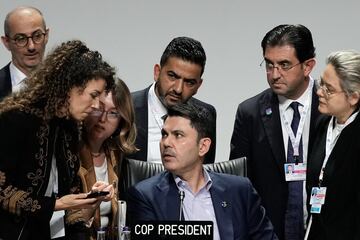
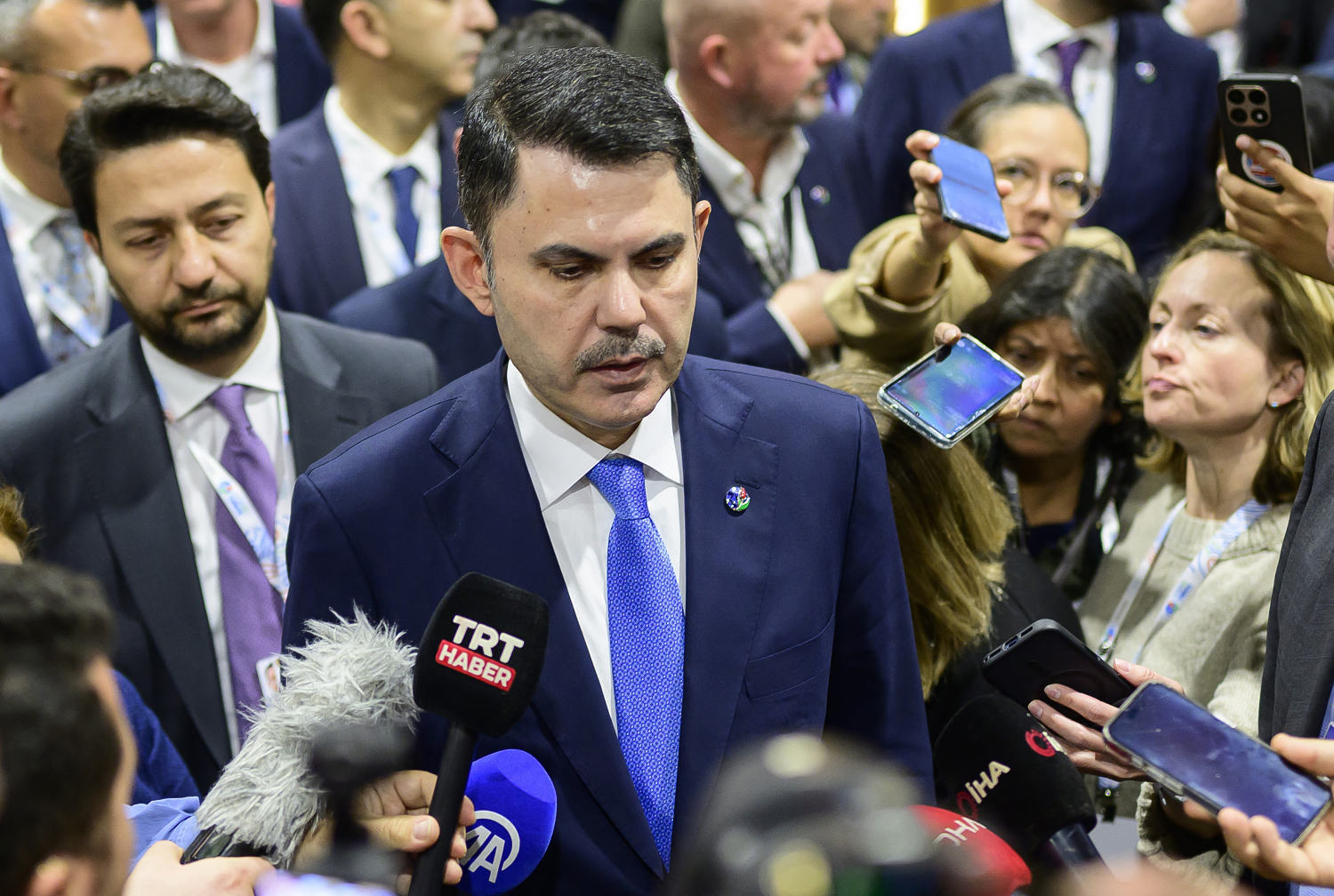
The summit’s president, Turkish Environment Minister Murat Kurum, met officials from the European Union and representatives of Australia and Saudi Arabia, seeking to break the deadlock. He urged countries not to let disputes over wording derail the process, while acknowledging that an agreement might remain out of reach. The European Union’s climate commissioner framed the choice starkly: a strong deal or no deal. A protester interrupted proceedings Friday, demanding an end to fossil fuels and more support for the Global South. Security escorted the person from the room. The protest reflected the frustration beyond the negotiating rooms, where the latest draft’s removal of fossil fuel language has become a flashpoint.
The last major collapse in UN climate negotiations occurred at the 2009 Copenhagen summit, when countries could not reach consensus on the Copenhagen Accord. That history does not make failure inevitable, but it underscores what is at risk when multilateral talks cannot find common ground. The next climate summit is scheduled for Addis Ababa in November 2027. COP31’s negotiators still must decide whether extra time will yield a revised text addressing emissions and support for vulnerable countries, or whether the conference will end without agreement.
For my part, the image of a nearly empty venue while crucial negotiations continue is hard to shake. A climate emergency does not become less urgent because the halls are quiet or the talks are exhausting. The island nations’ demand for more action deserves to be treated as central to the deal, not as an item to revisit after the powerful have settled everything else.
Reported by WTOP, Yahoo News.