Pope Leo responds to COP31’s breakdown

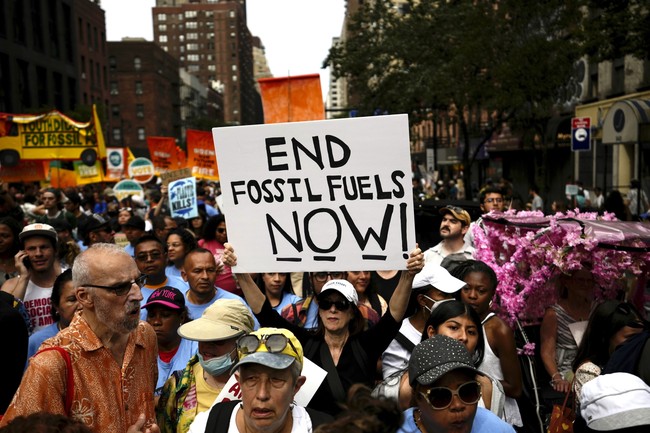
The COP31 climate talks in Antalya, Turkey, ended Sunday without an overarching agreement. Pope Leo XIV responded on November 25 with an appeal to leaders and individuals alike. The dispute blocking a deal concerned whether its text should mention fossil fuels. That question tested how governments would turn shared climate goals into negotiated language and action. Leo said extreme environmental events connected to the climate crisis are becoming more frequent. He urged the international community not to lose sight of the people affected. The account of his remarks and the talks’ collapse makes clear that the disagreement was not merely procedural. It concerned whether fossil fuels would be named in the outcome at all.
Leo spoke at his weekly audience in St. Peter’s Square. There, he framed climate impacts in terms of communities and future generations. He called for significant changes in personal behaviour, economic and social systems, and the way societies are governed. The appeal echoed a broader theme in his papacy: care for the environment as a moral responsibility. He has carried that theme forward from Pope Francis. The Vatican’s concern, as Leo and his senior officials have presented it, is that technical negotiations still bear directly on human lives. Cardinal Pietro Parolin, the pope’s second-in-command, made that point in a COP31 statement. He recalled Leo’s earlier appeal to keep the human consequences in view.
The talks’ breakdown drew sharp criticism from Ireland’s climate minister, Darragh O’Brien. He said the proposed outcome did not meet the moment. He also said European negotiators would not support a deal that omitted fossil fuels. He argued that leaving them out would fail to reflect the science. He warned it could widen the distance between international promises and the steps needed to address warming. Those were his arguments for rejecting the text. They do not, by themselves, establish why every delegation took its position. As reported, negotiations turned on whether fossil fuels should appear in the agreement. The broader disagreement over government commitments remained unresolved.
The impasse stands against a precedent from COP28 in Dubai. There, nearly 200 countries agreed to language calling for energy systems to move beyond fossil fuels, with the aim of reaching net-zero emissions by 2050. That agreement set a direction, but did not settle how to translate it into later commitments. At COP31, Panama’s environment minister, Juan Carlos Navarro, sharply accused petroleum interests of exerting undue influence over the negotiations. His rhetoric conveyed some participants’ frustration. The reports do not provide evidence substantiating the accusation. United Nations Secretary-General António Guterres also expressed disappointment that governments had failed to reach a common outcome. He maintained that the lack of agreement did not erase the scientific basis for concern. The related coverage of COP31’s fossil-fuel dispute and the talks’ extended negotiations over a plan reflect how central this question had become.
Leo’s intervention belongs to a longer Vatican effort to link climate concerns with human dignity and social responsibility. Francis made environmental protection a prominent subject of his papacy, including in his 2015 encyclical Laudato Si. He later returned to the issue in Laudate Deum. Leo has likewise spoken about the relationship between people and the environment. During a recent visit to Peru, he called for justice for environmental defenders killed while protecting the Amazon. Parolin’s message at COP31 linked that concern to the talks. In the Vatican’s view, negotiations cannot be judged only by technical terms. Their effects reach vulnerable communities and future generations.
The next major round of negotiations will take place in Ethiopia. Governments will again face the question of how explicitly to address fossil fuels. That leaves a practical challenge as well as a diplomatic one. Countries that disagree over wording must decide whether they can still produce commitments substantial enough to guide policy. The COP28 language shows that governments have previously agreed to a transition goal. The Antalya failure shows that even an established direction can be hard to carry into a new text. Reporting on climate scientists’ assessment of COP31 adds another view of the conference. The immediate diplomatic fact remains the absence of an overarching agreement.
For my part, the most telling feature is the distance between a past promise and a present consensus. A transition written into a declaration is not the same as a settled plan. A failed negotiation does not tell us what governments will do next. The next conference will have to answer that question in terms more durable than disappointment.
Leo’s appeal cannot resolve the dispute. But it places human consequences at the centre of the argument over what the next agreement should say. Whether governments can turn that appeal, the COP28 precedent and the unresolved divisions at COP31 into common action remains to be seen.
Reported by The Philadelphia Inquirer, Local 10 Miami, Newsweek.