Turkey’s COP31 Draft Omits Fossil Fuels
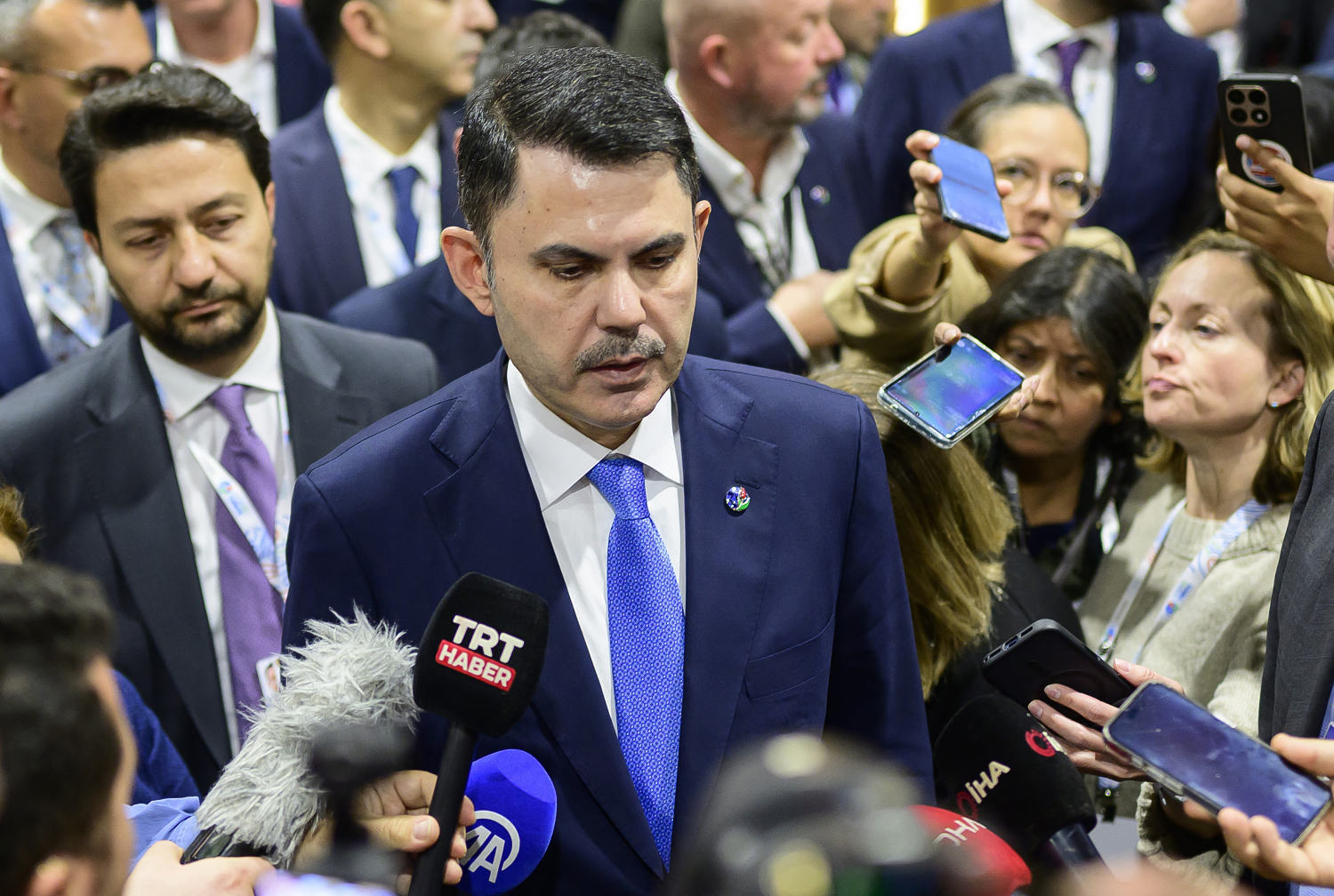
The proposed agreement from Turkish Environment Minister Murat Kurum, who is presiding over COP31, does not mention fossil fuels or call for phasing out coal, oil and gas. It does refer to the 2023 UAE Consensus, which included a commitment to transition away from fossil fuels. The 10-page draft was released in the early hours of Sunday, with negotiators given about three hours to seek changes before it went to the conference plenary.
Approval requires near-unanimous agreement. Several countries had objected during the talks to leaving out a fossil-fuel phaseout. The conference, scheduled to end Friday, had entered a second overtime period, and organizers feared delegates might leave before a two-thirds quorum was available.
The draft sets a goal of raising electricity’s share of total final energy consumption to 35% by 2035, from about 21% now. Climate activists wanted the goal to specify that the electricity come from renewables. Scientist Bill Hare warned that electrification powered by coal and gas would not limit warming. Turkish officials and the International Energy Agency’s director said that, because renewables would supply 80% of new electricity, the measure would still cut emissions.
The proposal also sets a target of capturing and storing 1 billion metric tons of carbon. Developing countries seeking a clear baseline for a pledge to triple adaptation funding did not get one. Panama had threatened to object to a deal that failed to cap oil production, address missed warming goals and increase adaptation finance.
Negotiators still needed to consider the text. Its adoption could be blocked if too few delegates remained for a quorum.
COP31 Draft Sidesteps Fossil Fuels Despite Climate Pledge
A proposed COP31 agreement leaves out the central step climate activists wanted: an explicit commitment to move away from coal, oil and gas. Turkey’s draft points back to the 2023 UAE Consensus, which made that commitment, but the 10-page text never mentions fossil fuels or phasing them out.
The omission risks weakening the signal countries agreed to send about cutting emissions. Several nations had already objected to leaving out a phaseout, while Panama threatened to reject a final deal without a cap on oil production, recognition of missed warming goals and stronger adaptation finance. Panama’s environment minister accused a “petroleum mafia” of holding the talks hostage.
Turkey’s proposed energy target would raise electricity’s share of total final energy use from about 21% to 35% by 2035. But activists sought a requirement that the electricity be renewable. Climate scientist Bill Hare warned that powering electrification with coal and gas would not limit warming and could lock in further emissions. Turkey and the International Energy Agency chief argued the goal would cut emissions because renewables would account for 80% of new electricity.
The draft also promotes carbon capture and storage, setting a target of 1 billion metric tons, while offering developing countries no explicit baseline for tripling adaptation finance. The agreement still faced negotiations, and a lack of delegates for a two-thirds quorum could prevent its approval. The draft’s reference to an earlier climate commitment is no substitute for putting a clear fossil-fuel transition into the new deal.
COP31 Draft Advances Energy Shift Without Fossil-Fuel Mandate
Turkey’s COP31 proposal puts forward measurable steps on energy and carbon management without adding a new mandate to phase out fossil fuels. The 10-page draft calls for electricity to rise from about 21% to 35% of total final energy consumption by 2035 and sets a 1-billion-metric-ton target for carbon capture and storage.
The draft refers to the 2023 UAE Consensus in its entirety, while making no explicit mention of fossil fuels, coal or oil. Several countries had objected to that omission, and Panama had threatened to oppose a deal that did not cap oil production, address missed warming goals and increase funding for adaptation.
Activists also pressed for the electrification target to require renewable power. Scientist Bill Hare argued that electricity generated with coal and gas would not limit warming. Turkish officials and the International Energy Agency’s director said the measure would still reduce emissions because renewables would supply 80% of new electricity.
The proposal’s carbon-capture target offers an approach for industrial polluters and others unable to switch easily to renewables, by capturing carbon dioxide and storing it. Meanwhile, developing countries seeking a clear baseline for a pledge to triple adaptation funding did not obtain one.
The talks had gone into a second overtime period, and negotiators had only a short window to propose changes before the draft reached the plenary. Approval requires near-unanimous agreement; if delegates depart and the two-thirds quorum is lost, the proposal cannot pass.
Reported by WTOP.