What COP31’s final draft says about the fight over fossil fuels
A climate agreement that avoids naming fossil fuels cannot honestly claim to confront the climate crisis. As COP31’s scheduled final day arrived in Antalya, Turkey, negotiators had removed explicit language on moving away from coal, oil and gas from the latest draft, while poorer countries pressed for climate finance and Panama threatened to object to an outcome that failed its demands. The talks were expected to continue beyond Friday, with the final text still unsettled. COP31 fossil fuels remain a central point of contention.
The retreat came after a draft published Monday proposed a swift shift from coal, oil and gas in the energy sector. By Thursday, that wording was gone. The dispute echoes COP30, where fossil fuel references were also removed from the final agreement, and follows the 2023 COP28 decision that first urged countries to shift their energy systems off fossil fuels. After decades of climate conferences, even preserving that language has become a fight.
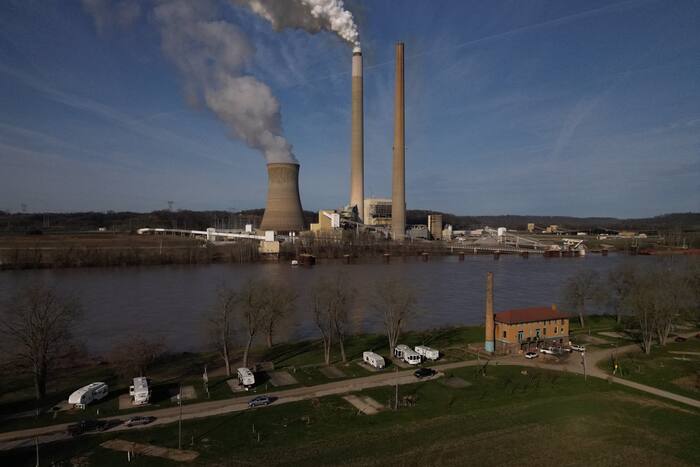
The disagreement is not over a technical detail. The reports link fossil fuel pollution to a warming planet and describe devastating climate impacts, including deadly European heat waves and flooding in Nepal. A United Nations warning ahead of the summit said the world was nearing the point of failing to meet its target of keeping warming to 1.5 degrees Celsius above pre-industrial temperatures. One report cited a projection of at least 2.8 degrees under current policies, with the planet already around 1.4 degrees warmer. Against those stakes, the draft’s silence on the main source of the crisis is a political choice with consequences. The fight over COP31’s draft language shows how quickly a proposed commitment can be stripped back in negotiations.
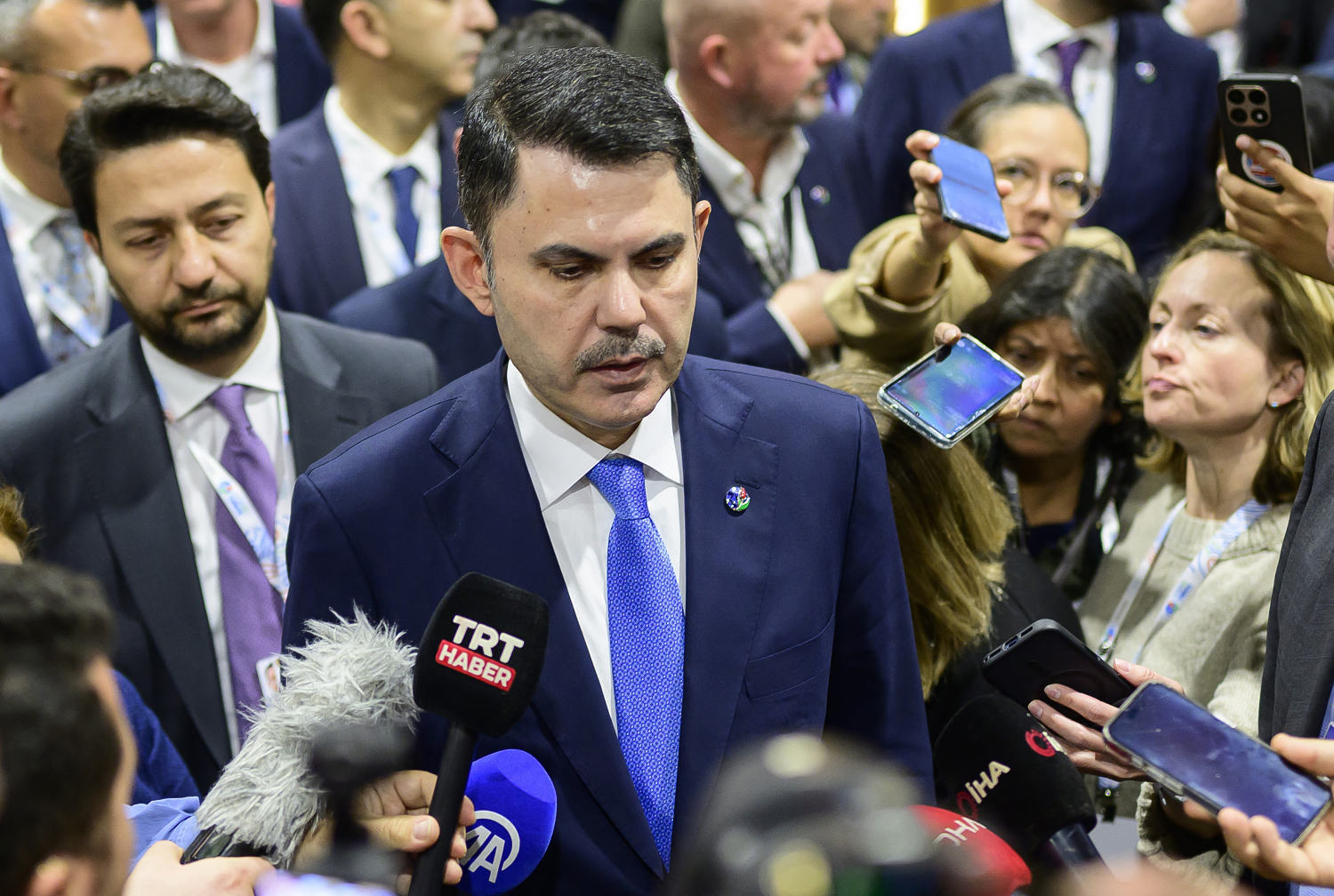
Turkey’s environment minister, Murat Kurum, argued that a separate electrification goal implies a move away from fossil fuels. The proposal would raise electricity’s share of global energy use to 35% by 2035. Reports give different starting figures: one says electricity accounts for roughly 21% today, another puts it at 23%. More fundamentally, the draft does not clearly require the electricity to come from renewables. That leaves room for fossil-fuel power plants to support the target, at least in the near term, and makes electrification a measure of energy use rather than a guarantee of clean energy.
That gap is why climate advocates and vulnerable nations say the draft falls short. Greenpeace’s Middle East and North Africa executive director Ghiwa Nakat warned that weakening commitments on phasing out fossil fuels could undermine progress. Mohamed Adow of Power Shift Africa described the talks as muzzled on the crisis’s central driver. The co-hosts, Turkey and Australia, faced criticism for the removal of fossil fuel language. COP31’s negotiating president, Chris Bowen, defended the effort as a search for the most ambitious result that consensus could produce. But consensus gives each participating country a potential veto, a structure that can turn the least willing government into a brake on everyone else.
Money is another fault line. Countries with relatively low emissions but high exposure to climate impacts say richer nations are not providing enough support for adaptation, recovery from disasters and clean-energy infrastructure. A previous draft included an annual $120 billion adaptation figure; the later version dropped that amount while retaining a call to triple adaptation finance without saying how much money that means. The pressure for more action from small island nations is part of the same dispute over who bears the costs of a crisis they did least to cause.
Panama raised the stakes by saying it would formally object to a final agreement that failed to meet its demands, including a cap on oil production, climate finance and recognition that goals were not being met. Its environment minister, Juan Carlos Navarro, called for reform of the talks and accused powerful interests of holding them hostage. The demand puts the limits of consensus in plain view: one country can block an agreement, but a country’s objection does not itself force a stronger deal. The next negotiations would still have to bring governments with sharply different interests toward a shared text.
The United States, which the reports describe as the biggest economy and a leading source of emissions, was not officially represented at COP31 for the second year in a row. That absence matters particularly to countries seeking funds from wealthy nations. Meanwhile, efforts to slow warming have essentially stalled over the past five years, according to the Climate Action Tracker report cited in the coverage. The next summit is scheduled for Addis Ababa, Ethiopia, in November 2027. The UN’s warning on emissions cuts underlines how little time the world has to turn declarations into action.
For my part, the hardest detail to accept is how easily a commitment can disappear between drafts. I hope the final text says more than the version that triggered this alarm. But the test will be whether people facing the impacts can point to real commitments, not just carefully negotiated language.
The latest account of the dispute and the expected overtime makes clear that the negotiations were not finished on their scheduled closing day. What comes next depends on whether governments can agree on a final text that addresses fossil fuels, finance and the gap between an electrification target and genuinely clean power. A conference can keep its process alive while losing sight of its purpose. The world does not need another round of words that leaves the polluters’ business untouched.
Update, November 20, 2026: By Friday night, the talks had moved into overtime, with delegates postponing some decisions until next year. Organizers promised another draft on Saturday after overnight negotiations, but several divides remained beyond fossil fuel language: countries were also disputing detailed proposals for carbon capture and storage, financial support for poorer nations, and Europe’s carbon-related charges on imported goods. Berkeley Earth reported that October 2026 was 1.8 degrees Celsius warmer than the mid-19th-century average, another stark marker of the stakes.
Reported by KPRC 2 Click2Houston, The Philadelphia Inquirer, CNN, Reason, PBS NewsHour.