COP31 Talks Collapse Over Fossil Fuel Dispute
On November 22, climate negotiations in Antalya ended without an overarching agreement after the European Union and several other countries rejected a draft that did not mention fossil fuels. The summit, involving 196 countries and the EU, had run more than 44 hours past its scheduled Friday finish, making it the longest COP talks on record.
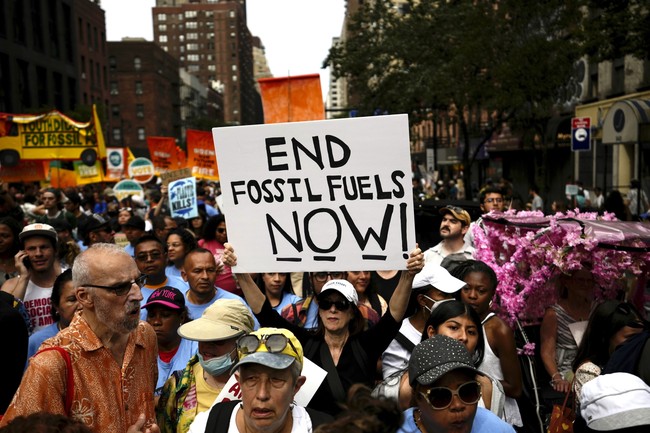
The draft proposed measures to accelerate climate action, including a goal to increase electricity’s share of total energy consumption from about 21% to 35% by 2035. It also backed using carbon capture and reuse methods to handle 1 billion metric tons of carbon pollution. But it did not refer to fossil fuels or call for moving away from coal, oil and gas, prompting objections from the EU, Panama and the Marshall Islands.
EU representative Darragh O’Brien said the proposal lacked the ambition needed to address climate change. Russia supported leaving an explicit reference to fossil fuels out of the agreement. Saudi Arabia, Russia and India have opposed including such language, amid concerns that phasing out fuels central to their economies could pose financial risks.
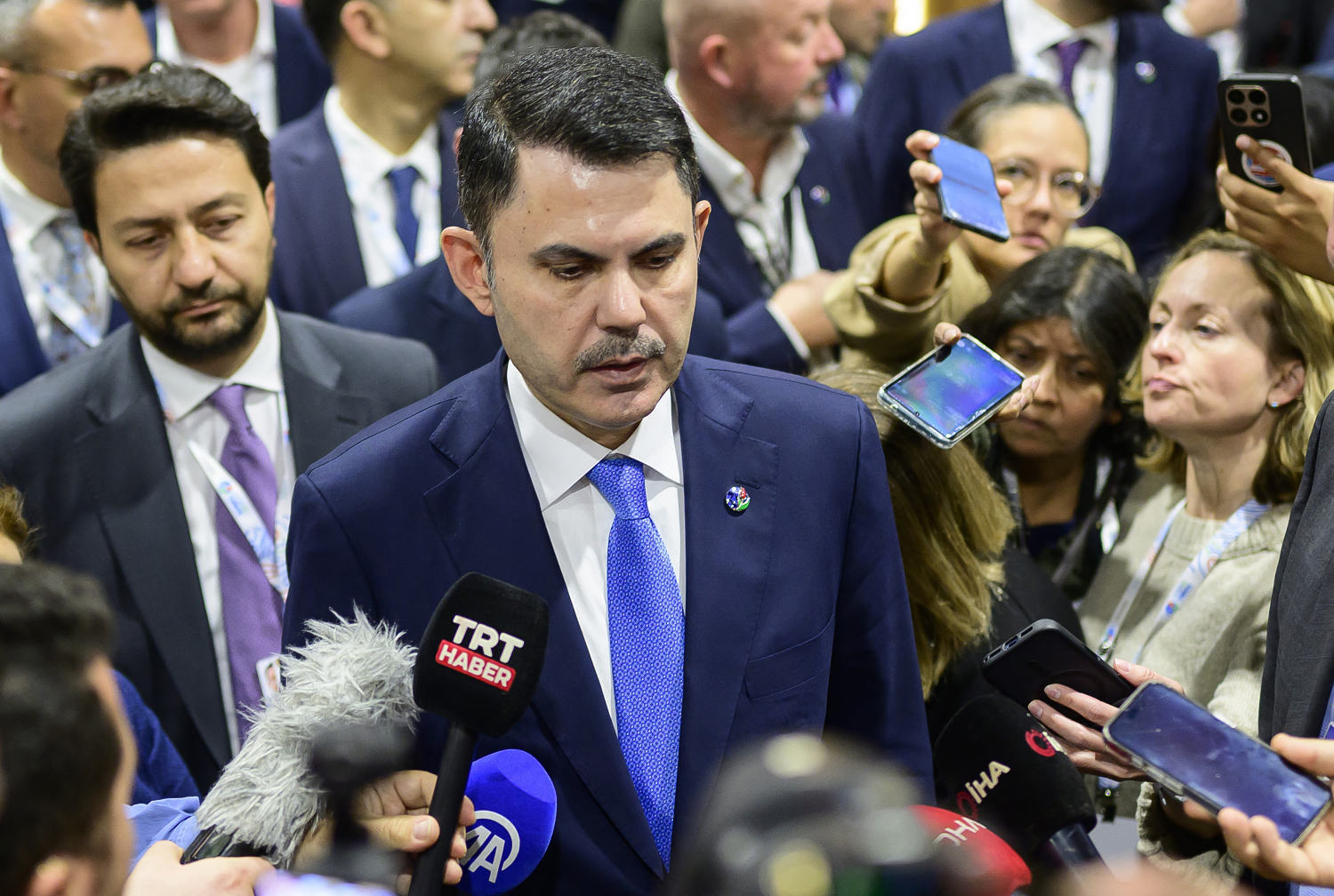
All countries must agree for a text to pass. COP31 president Murat Kurum said there would be no new draft after the fourth version failed to secure consensus. Negotiators had continued working after the conference formally ended, but the latest version still omitted fossil fuels. The summit’s draft also acknowledged that the Paris Agreement goal of limiting warming to 1.5C will be missed.
Kurum could call a follow-up meeting or leave decisions until next year’s summit in Addis Ababa, Ethiopia. The draft’s proposed carbon-capture target and its lack of detail on financial support for vulnerable countries were also points of debate.
COP31 Draft Drops Fossil Fuels as Climate Talks Collapse
On November 22, COP31 negotiations in Antalya collapsed without an agreement after the latest draft again failed to mention fossil fuels. The EU, Panama and the Marshall Islands objected, arguing that a climate pact cannot credibly address warming while leaving out the fuels driving it.
The draft proposed a 2035 target to raise electricity’s share of total energy use from about 21% to 35%, and aimed to capture and reuse enough carbon to keep 1 billion metric tons of pollution in storage. But it did not call for moving away from coal, oil and gas, despite the earlier COP28 commitment to shift energy systems off fossil fuels.
Russia backed keeping the explicit reference out. Saudi Arabia, Russia and India have resisted such language, citing the financial risks of phasing out fuels central to their economies. The result was a text that several countries said fell far short of the ambition and urgency required, while climate-vulnerable nations also sought clearer detail on financial help for adaptation.
All countries must agree for a deal to pass. COP31 president Murat Kurum said no new draft would be prepared after the fourth version failed to win consensus. The talks had continued more than 44 hours beyond their scheduled Friday end, but the latest text still offered no fossil-fuel language. A follow-up meeting remains possible; otherwise, decisions could wait until next year’s summit in Ethiopia.
COP31 Talks Foundered as Fossil Fuel Language Blocked Consensus
On November 22, COP31 ended without an overarching agreement, as the EU and other countries rejected a draft that left fossil fuels unmentioned. The dispute shows how demands to put a transition away from coal, oil and gas into a global deal can prevent consensus among countries with sharply different economic stakes.
The draft included a target to raise electricity’s share of total energy use from about 21% to 35% by 2035, along with a plan to capture and reuse carbon pollution, keeping 1 billion metric tons out of the atmosphere. It did not include an explicit fossil-fuel reference. Russia supported that omission, while Saudi Arabia, Russia and India have resisted language they say could expose economies reliant on those fuels to financial risk.
The EU, Panama and the Marshall Islands rejected the text as insufficient. But every country must agree for a deal to pass, leaving negotiators unable to bridge what COP31 officials described as firm divisions. The talks ran more than 44 hours past their planned Friday end, and the fourth draft still could not secure consensus.
The draft also acknowledged that the Paris Agreement’s 1.5C warming limit will be missed. Its carbon-capture target was contested, as were calls for clearer commitments to fund climate adaptation in poorer countries. Kurum said there would be no new draft; he could convene another meeting or leave decisions to next year’s summit in Ethiopia.
Reported by The Philadelphia Inquirer, NBC News, Breitbart, Yahoo News, CBS News, CNN, Semafor, ABC News, Mother Jones, Fox Business, WTOP, The Guardian, Ars Technica, CBS Chicago, The Nation.