CENTCOM Forms Task Force to Restrict Iran’s Land Routes
U.S. Central Command has created a new task force to work with federal agencies on restricting movement across Iran’s land borders and the Caspian Sea. The announcement was made on November 7, with CENTCOM commander Adm. Brad Cooper ordering the formation of Task Force Iron Gate.
The team is expected to include about 20 military and civilian personnel and will be based in Tampa, Florida. CENTCOM said it would focus on halting transfers of sophisticated armaments, civilian-military technology, restricted goods and what it described as illegal revenue streams.
Cooper said the new effort would build on the U.S. naval blockade of Iran. He said cooperation between CENTCOM and other government agencies would further limit Iran’s capacity to fund terrorist activity, restore weapons plants and restock its military.
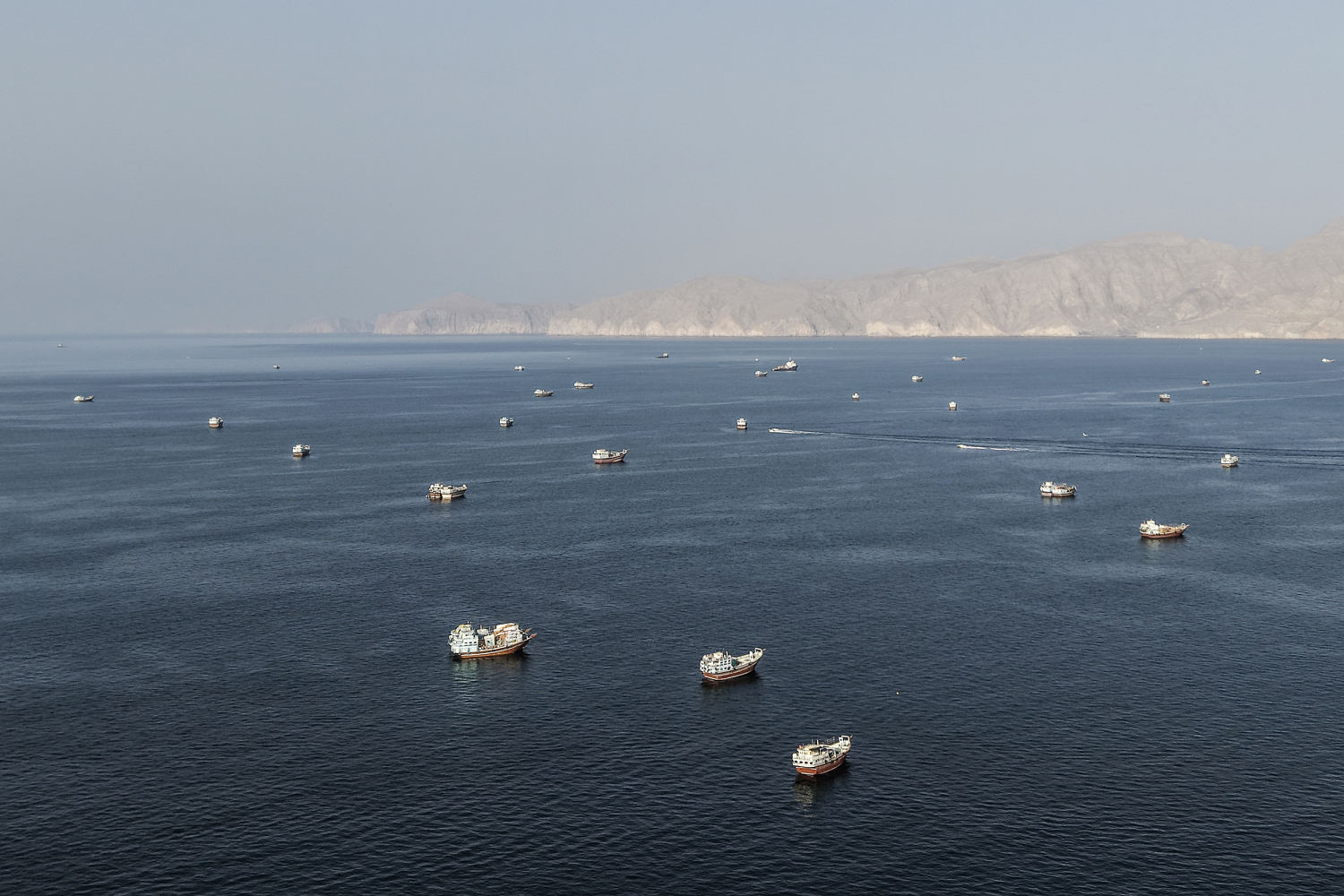
CENTCOM said the naval blockade had kept Iran from selling more than $25 billion worth of petroleum abroad in recent months. The command also said enforcement at sea continues against ships entering or leaving Iranian ports.
Task Force Iron Gate is intended to extend the effort beyond the sea, coordinating with other U.S. agencies to impede the movement of goods and revenue through land routes and the Caspian Sea.
New Iran Task Force Expands U.S. Blockade Beyond the Sea
The United States is expanding its blockade of Iran from the sea to land routes and the Caspian Sea. CENTCOM announced Task Force Iron Gate on November 7, with about 20 military and civilian personnel in Tampa coordinating with other federal agencies.
The team is tasked with impeding transfers of sophisticated armaments, civilian-military technology, restricted goods and what CENTCOM calls illegal revenue streams. Adm. Brad Cooper said the effort would further constrain Iran’s capacity to fund terrorist activity, restore weapons plants and restock its military.
CENTCOM also said its naval blockade had kept Iran from selling more than $25 billion worth of petroleum in recent months. That figure and the stated aims are the command’s case for extending the operation; the new team’s remit reaches into cross-border trade and transport as well as maritime activity.
The announcement presents expanded economic and logistical pressure as a means of weakening Iran’s military capacity. Task Force Iron Gate will coordinate with U.S. agencies to pursue that goal across land borders and the Caspian Sea, broadening the scope of the blockade beyond ships entering or leaving Iranian ports.
CENTCOM Moves to Cut Off Iran’s Weapons and Revenue Routes
CENTCOM is adding a land-focused effort to its pressure campaign against Iran, aiming to disrupt routes used to move weapons, restricted technology and money. Adm. Brad Cooper directed the establishment of Task Force Iron Gate, announced on November 7 and set to operate from Tampa with about 20 military and civilian personnel.
The team will work with other U.S. agencies to impede the flow of sophisticated armaments, civilian-military technology, restricted goods and what CENTCOM describes as illegal revenue streams crossing Iran’s land borders and the Caspian Sea.
Cooper said the initiative reinforces the naval blockade and would make it harder for Iran to fund terrorism, rebuild weapons factories and replenish its military. CENTCOM said the maritime operation had already kept more than $25 billion worth of petroleum from being exported in recent months, and that enforcement continues against ships bound for or departing Iranian ports.
Task Force Iron Gate extends that pressure to routes beyond the water. Its stated purpose is to constrain the resources and supplies available to Iran by coordinating federal agencies against movement across land borders and the Caspian Sea.
Reported by Townhall, PJ Media.