Hegseth Authorizes More National Guard Vehicles in Washington
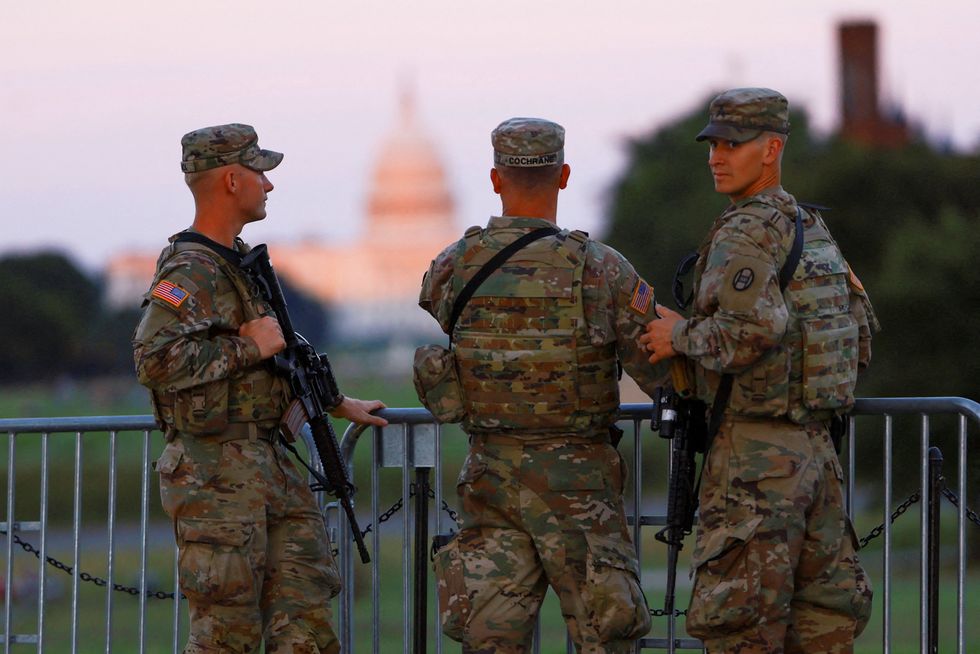
The National Guard’s Washington mission is expanding to include boats, Humvees, light tactical vehicles and a few dozen police cars with official markings. The October 29 memo authorizes the equipment through the end of the year, while giving no specific reason for the change beyond President Donald Trump’s effort to address what he calls a crime emergency in the capital.
Guard members may support officers conducting drug operations but cannot pursue suspects or make arrests. The boats are assigned to secure the perimeter during police operations focused on alleged gang chiefs and drug sellers in Anacostia. Federal officers must be aboard to assist with arrests, and the boats cannot be used to monitor U.S. citizens.
The memo also bars Guard members from law-enforcement activity, carrying bayonets, using intelligence assets or deploying helicopters. The newly authorized vehicles are types used by U.S. troops in Iraq and Afghanistan. On November 4, D.C. police charged a man over an alleged finger-gun gesture toward Guard troops and an alleged assault on an officer.
Troop numbers have fluctuated since Trump sent Guard members to the city in August 2025, reaching nearly 5,000 this summer with support from 20 states and Puerto Rico. The mission is expected to last through Inauguration Day 2029. An October Cato Institute report found robberies and thefts had fallen since deployments began, while homicides remained steady and assaults involving dangerous weapons rose slightly.
The expansion comes as Trump has discussed Hegseth’s future with advisers following Republican losses in the midterm elections. Trump has denied plans to replace him, and the White House has said it has full confidence in the defense secretary.
Trump Expands Military-Style Presence in Washington
The Trump administration is adding Humvees, tactical vehicles, boats and marked police cars to the National Guard’s deployment in Washington, D.C. The October 29 memo authorizes the equipment through the end of the year but offers no specific explanation for the expansion beyond Trump’s campaign against what he calls a crime emergency.
The deployment raises the stakes of putting military forces alongside local policing. Guard members can support drug operations but cannot pursue suspects or make arrests; boats will secure the perimeter during police operations in Anacostia. Federal officers must be aboard to assist with arrests, and the vessels cannot monitor U.S. citizens. The vehicles are types used by U.S. troops in Iraq and Afghanistan.
The restrictions do not erase the significance of an expanded military-style presence in the capital. The Guard is also barred from law-enforcement activity, carrying bayonets, using intelligence assets or deploying helicopters. A man was charged on November 4 after allegedly making a finger-gun gesture toward Guard troops and assaulting an officer.
Robberies and thefts have fallen since deployments began in August 2025, but murders have remained at similar levels and assaults involving dangerous weapons edged up, an October Cato Institute report found. Troop numbers peaked near 5,000 this summer, backed by personnel from 20 states and Puerto Rico; the mission is expected to continue through Inauguration Day 2029.
The extension comes as Trump’s administration faces a new Democratic-controlled Congress and a Washington mayor-elect who opposes the deployment. Expanding the force risks deepening the dispute over whether a long-running military presence is an appropriate answer to city crime.
Guard Gets More Tools to Back Washington Police
The National Guard will have additional vehicles and boats to support police operations in Washington, D.C., under an October 29 memo from Defense Secretary Pete Hegseth. The authorization includes Humvees, tactical vehicles and a few dozen police cars bearing official markings, with the equipment assigned through the end of the year.
The Guard’s role remains limited: troops may back up officers during drug operations but cannot chase suspects or make arrests. Boats are to secure the perimeter during police operations aimed at alleged gang chiefs and drug sellers in Anacostia. Federal officers must be aboard to help make arrests, and the boats cannot be used to monitor U.S. citizens.
The memo also prohibits Guard members from conducting law-enforcement activity, carrying bayonets, using intelligence assets or deploying helicopters. The deployment began in August 2025 and reached nearly 5,000 troops this summer, drawing support from 20 states and Puerto Rico. It is expected to continue through Inauguration Day 2029.
An October Cato Institute report found robberies and thefts had declined since the deployments began. Homicides remained steady, while assaults with dangerous weapons rose slightly. Those mixed figures make the crime picture more complex than either a claim of total success or a claim that the deployment has produced no gains.
The decision comes amid opposition to the Guard presence from Washington’s mayor-elect and a change in control of Congress. But the memo’s operational limits distinguish support for local police from giving soldiers arrest powers. A man was charged on November 4 over an alleged gesture simulating a gun toward Guard members and an alleged assault on an officer.
Reported by Raw Story, The New Republic.