U.S. Launches Restrained Attacks on Iran’s Qeshm Island
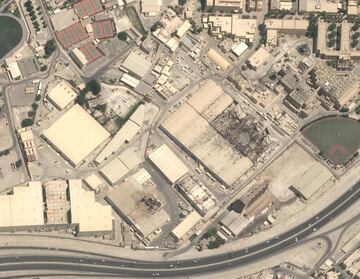
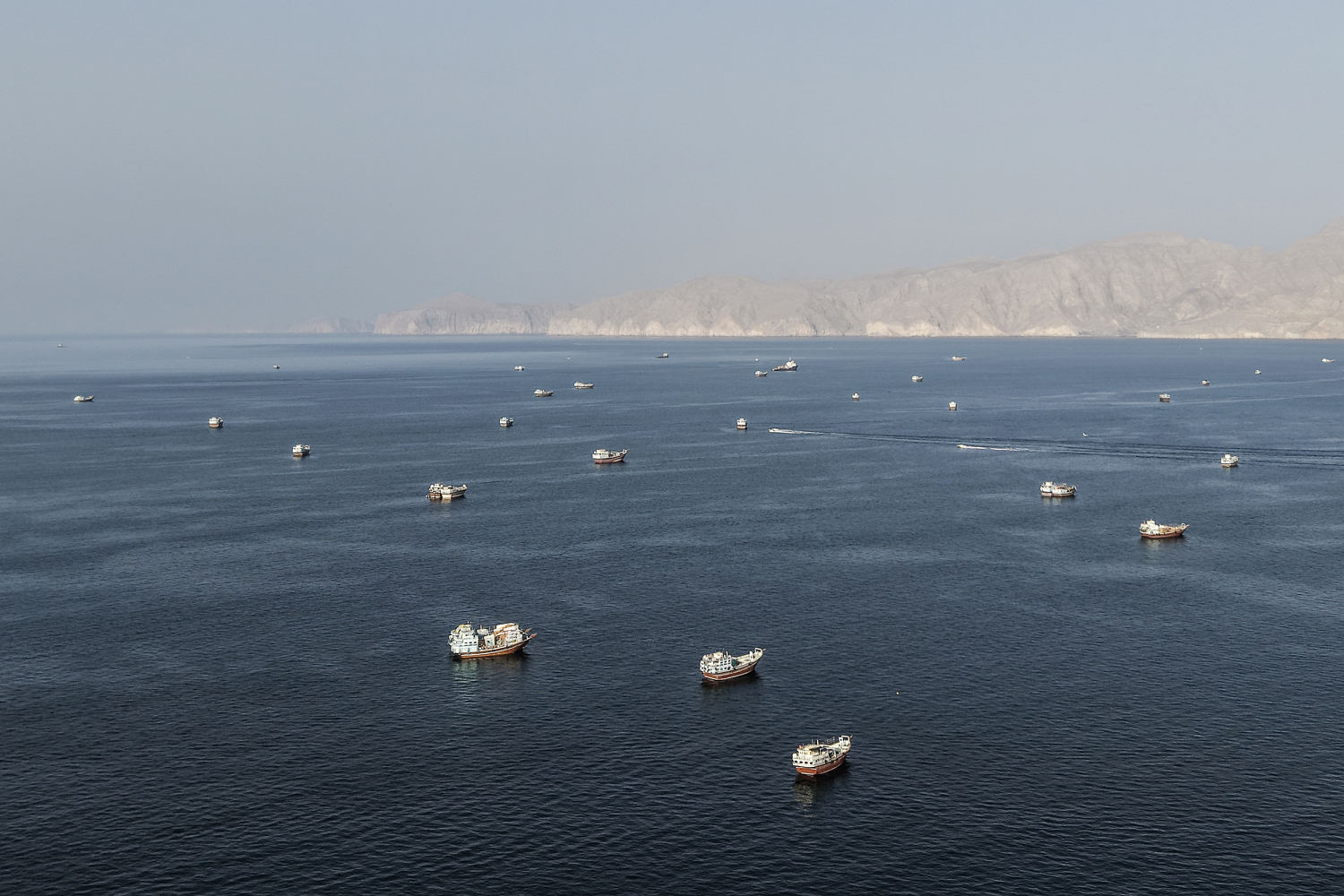
U.S. forces conducted restrained attacks against Iran’s Qeshm Island on November 2, after Iranian forces targeted U.S. aircraft with surface-to-air missiles, U.S. officials said. The officials described the action as self-defense and said it was not a return to major combat operations. Iranian state television said five explosions were heard on the island, in the Strait of Hormuz.
One U.S. official said Iran had again attempted to target an American aircraft, prompting a strike intended to destroy the missile launcher. U.S. forces have also been intercepting drones and missiles targeting shipping, officials said. The strikes came as the region remained tense over the possibility of renewed, full-scale fighting.
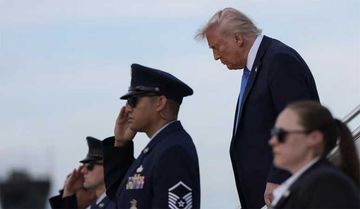
The operation took place one day before U.S. midterm elections. President Donald Trump had previously said the U.S. would not strike Iran before the vote. The war and its effect on gasoline prices and the wider economy have been political vulnerabilities for Republicans seeking to retain control of Congress.
At the same time, Trump and Vice President JD Vance voiced optimism about reaching an agreement with Tehran. Vance said the two countries had held good conversations and that he and Trump felt positive about the prospects for a negotiated settlement. Trump wrote that an agreement “could happen.”
Diplomatic efforts include talks involving Qatari mediators, who are seeking a framework for Iran to stop attacks in the Strait of Hormuz in exchange for Washington ending its blockade of Iranian ports. Israeli Prime Minister Benjamin Netanyahu has pressed Trump to consider further strikes after the elections, while some U.S. allies in the region have warned that renewed attacks could destabilize the area.
Iran Strikes Put Trump’s Election-Eve Promise Under Scrutiny
The Trump administration carried out strikes on Iran the day before Americans voted in midterm elections, despite the president’s earlier statement that the U.S. would not attack before the election. Officials called the operation limited and defensive, but the timing puts the administration’s decisions about war and public accountability squarely in view.
U.S. officials said the strikes on Qeshm Island followed Iranian efforts to target American aircraft with surface-to-air missiles. One official said the operation aimed to destroy a launcher. Iranian state television reported five explosions. The military action was not described as a resumption of major combat, but it comes amid continuing U.S. interceptions of drones and missiles targeting shipping and rising regional anxiety about a wider war.
The conflict has also weighed on gasoline prices and the economy, creating a political vulnerability for Republicans seeking to keep control of Congress. Trump sought to downplay the fighting, while the strikes underscore that military action remains part of his administration’s approach.
Vance said he and Trump were optimistic about a negotiated settlement, and Trump said a deal “could happen.” Qatari mediators are working on a proposal linking an end to Iranian attacks in the Strait of Hormuz with the lifting of the U.S. blockade on Iranian ports. Diplomacy matters, but it does not erase the need to scrutinize the decision to use force on the eve of an election.
U.S. Acts to Protect Forces as Iran Targets Aircraft
The United States took limited action against a threat to its forces in the Strait of Hormuz, striking Iranian targets on Qeshm Island on November 2. U.S. officials said Iran had fired at American aircraft with surface-to-air missiles and that the strike was intended to take out a launcher—not launch a broader war.
Iranian state television reported explosions on the island. U.S. officials said American forces continue to intercept drones and missiles aimed at shipping, while describing the latest operation as part of ongoing defensive measures. Protecting U.S. personnel and maritime traffic is a central responsibility; restraint does not require leaving those threats unanswered.
The strikes came one day before midterm elections, despite Trump previously saying attacks would not occur before the vote. But officials characterized the operation as limited self-defense, not a return to major combat. The administration is also pursuing diplomacy: Vance said he and Trump saw grounds for a negotiated settlement, and Trump said an agreement “could happen.”
Qatari mediators are working toward a framework under which Iran would cease attacks in the Strait of Hormuz and the U.S. would lift its blockade on Iranian ports. Netanyahu has urged further strikes, while regional allies have warned of destabilizing consequences. The administration faces a difficult choice between deterring attacks and avoiding a wider conflict, and says diplomatic efforts are continuing.
Reported by CNN, NBC News, Daily Mail US, The Washington Examiner, WSVN 7News, Newsweek, CBS News, MSNBC, Breitbart, ABC News, BBC US & Canada, The Philadelphia Inquirer, Semafor, The Daily Caller, WBUR, CBS Texas, Yahoo News.