More Than 600,000 Rally Across France for Higher Wages and School Funding
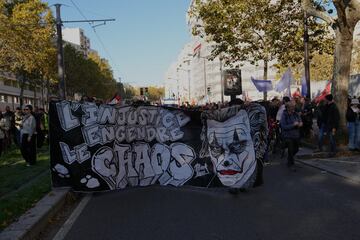
On November 5, more than 600,000 people took part in demonstrations across France, the Interior Ministry said, as workers, students and retirees pressed for higher wages and better-funded schools. The ministry described its figure as provisional. Rallies were held in Paris, Lyon, Marseille and other cities, and most were peaceful.
In Paris, students marched alongside workers and retirees, calling for a better future and relief from rising living costs. Strikes and student blockades left about one-third of the country’s high schools closed or unable to operate. Public transport was disrupted in some areas, and the Eiffel Tower shut.
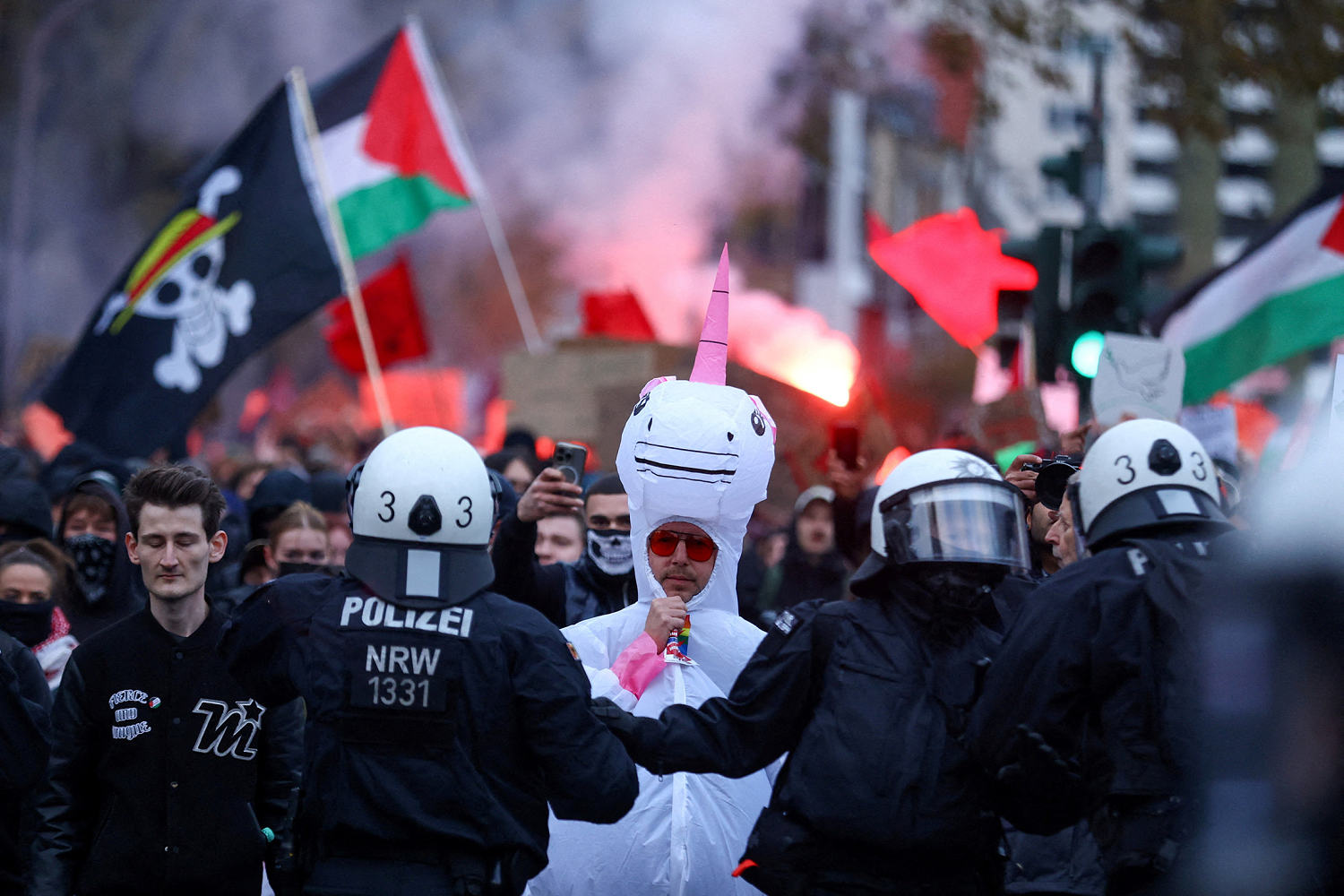
Interior Minister Laurent Nuñez said 70,000 police officers had been deployed, with armored vehicles, drones and helicopters. Authorities reported attempted roadblocks in Rennes and incidents including clashes or other tensions in Lyon, Nantes, Pau, Orléans, Rennes and Toulouse. Police have faced criticism over injuries to protesters and the use of force.
Unions said France was nearing recession and that planned layoffs were increasing, while costs for essentials continued to rise faster than wages and pensions. A healthcare union representative cited staff shortages and inadequate equipment at her Paris hospital; a rail union official defended strikes as a response to the government and national rail company.
The protest movement began in September over staffing at a high school southeast of Paris, then expanded to include demands for education funding, better pensions and help with fuel and other costs. The rallies came as campaigning to choose a successor to President Emmanuel Macron next May gathered pace. Macron cannot seek a third consecutive term, and several political candidates joined the Paris march.
France’s Mass Protests Put Wages and Public Schools at the Center
More than 600,000 people took to the streets across France on November 5 with demands that go to the heart of daily life: wages that keep pace with costs and schools with the resources to serve students. The Interior Ministry’s provisional count covered demonstrations in Paris, Lyon, Marseille and elsewhere; most were peaceful.
Students marched with workers and retirees in Paris, linking a secure future for young people with pay and pension concerns across generations. About one-third of French high schools shut down or could not function because of strikes or student blockades. Public transport was affected in some areas, and the Eiffel Tower closed.
Unions warned that the country was nearing recession and that layoffs were multiplying, while the cost of essentials was rising faster than wages and pensions. A healthcare union representative highlighted shortages of staff and equipment at her Paris hospital. Those concerns show why the movement has grown beyond its origins in a school staffing protest to encompass workers’ conditions and household costs.
The government deployed 70,000 police officers, supported by armored vehicles, drones and helicopters. Authorities reported incidents in several cities, while police have also been criticized for injuring demonstrators through heavy-handed tactics. The competing realities of public safety and the right to protest remain central as the strikes continue.
The demonstrations are now unfolding amid the campaign to succeed Emmanuel Macron next May. Several candidates joined the Paris march. With Macron unable to seek a third consecutive term, the protests have become a test of whether political leaders will address the demands over education, wages and living costs that have brought students, workers and retirees together.
France’s Strikes Disrupt Schools and Transport as Election Campaign Builds
More than 600,000 people rallied across France on November 5, but the nationwide strikes also left about one-third of high schools closed or unable to operate and disrupted public transport in some areas. The Interior Ministry’s count was provisional. Demonstrations took place in Paris, Lyon, Marseille and elsewhere, most peacefully.
In Paris, students joined workers and retirees to demand better school funding, higher wages and pensions. The movement began in September over staffing at a high school southeast of the capital and has widened to include concerns about living costs and employment. The breadth of those demands is clear; so is the effect of strikes and student blockades on school operations and public services.
Interior Minister Laurent Nuñez said 70,000 police officers were deployed with armored vehicles, drones and helicopters. Authorities reported attempted roadblocks in Rennes and tensions or other incidents in several cities. Police have been criticized over injuries to protesters and their use of force, while officials have also described serious violence by masked individuals in Brittany.
France’s main unions warned of recession and increasing layoffs, and argued that prices are rising faster than wages and pensions. A rail union official defended striking as a way to confront the government and the national rail company. The government had negotiated with unions before the latest action, but demonstrations have continued.
The protests are also drawing political candidates into the campaign to succeed Emmanuel Macron next May. Macron cannot run for a third consecutive term, and several candidates joined the Paris march. As politicians seek to capitalize on public frustration, the election contest will take place against a backdrop of disrupted services, economic anxiety and demands that remain unresolved.
Reported by The Philadelphia Inquirer, New York Post.