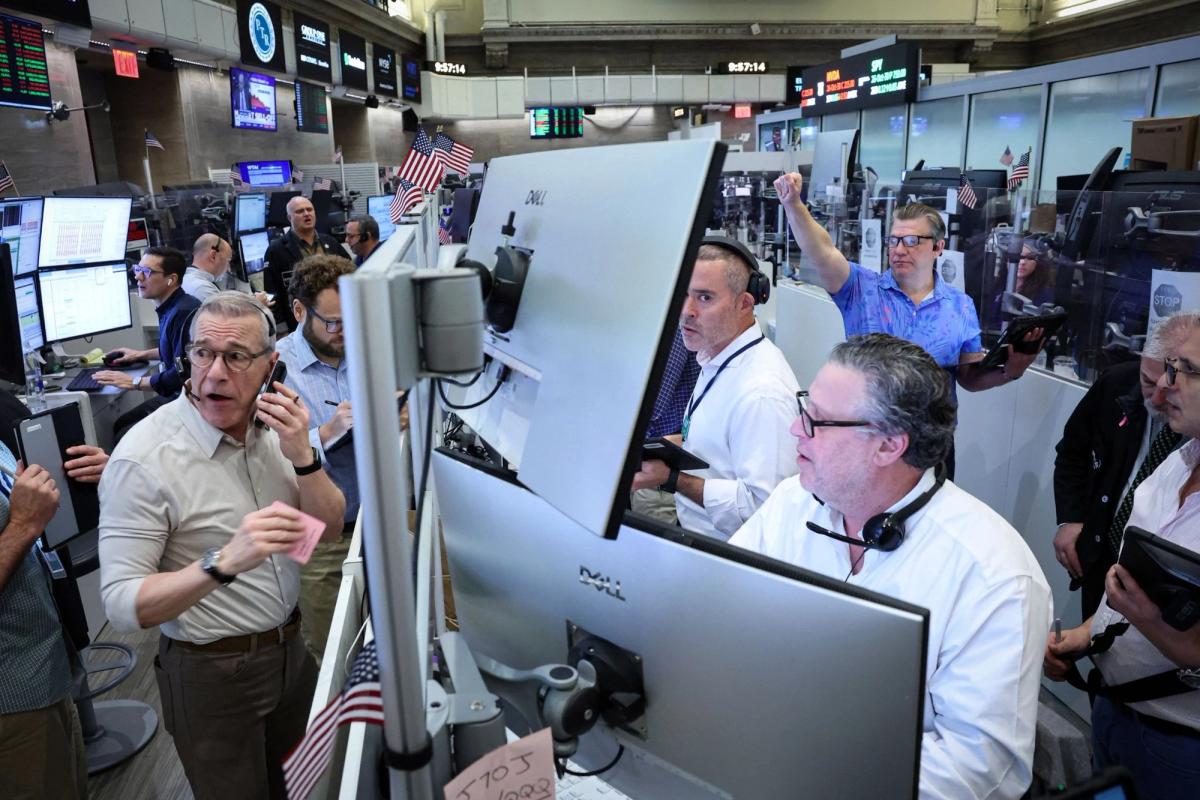
Markets Rise as Midterm Results Point to Divided Government
U.S. stocks and bonds advanced on November 4 after Democrats’ midterm victories made divided control of government more likely. Investors saw the prospect of gridlock as a potential check on spending and borrowing, even as uncertainty over policy kept markets on alert.
Midterm Results Put a Check on Trump’s Spending Agenda
Democrats’ midterm victories brought the prospect of divided government into sharper focus on November 4, and markets responded with gains in stocks and bonds. The results offer a potential check on President Trump’s agenda, while Wall Street weighs what the new balance of power could mean for spending and borrowing.
Consumers want elected officials to address affordability and inflation. Oil and gas prices have risen amid the conflict with Iran, while economists say costs from Trump’s tariffs were passed on to consumers.
Treasury yields fell as demand for government bonds increased. The 30-year yield moved below 5.3%, and the 10-year approached 4.9%. Investors also faced the prospect of volatility in technology and other areas that could draw more regulatory scrutiny; some technology shares fell, including Tesla and SpaceX.
The next test comes in December: the current federal funding package expires on December 11 and needs bipartisan support to avert a shutdown. The odds of a shutdown on Kalshi rose to 45% overnight from about 30%, as Democrats may have more incentive to hold firm or seek concessions.
Divided Government Lifts Bonds as Spending Gridlock Looms
Investors welcomed the prospect of divided government after Democrats’ midterm victories on November 4, pushing U.S. bonds higher as markets considered whether legislative gridlock could restrain federal spending and borrowing. Broad stock markets also gained, even as some technology shares declined.
The fiscal stakes are substantial: federal deficits are running at 6% to 7% of GDP, and annual interest payments on the national debt exceed $1 trillion. A divided Congress could make it harder for either party to pass spending measures, easing some investor concerns about the country’s fiscal path.
Treasury demand increased, sending the 30-year yield below 5.3% and the 10-year toward 4.9%. But investors are also preparing for potential stock volatility, particularly in technology. Concerns about a slowdown in AI infrastructure investment weighed on some companies, including Tesla and SpaceX.
The funding deadline on December 11 will offer an early test of whether lawmakers can reach agreement. The package requires bipartisan support to prevent a shutdown, and Kalshi’s shutdown odds rose overnight to 45% from around 30%. A protracted standoff could complicate government operations even as some investors see spending restraint as a benefit.
Reported by Semafor, Fortune, The Boston Globe.