Markets Mixed After Democrats Win Both Chambers of Congress
Global markets showed a varied response on November 3 after Democrats secured majorities in both chambers of Congress, setting up a period of congressional resistance to President Donald Trump. U.S. futures rose modestly, with contracts for the S&P 500 up 0.2% and those for the Dow up 0.4%. Markets often favor divided control in Washington because it can reduce the prospect of major policy shifts. A Capital Economics analyst said the election result was unlikely to change the near-term policy outlook substantially, given the Senate filibuster and the president’s veto power.
In Europe, the CAC 40 in Paris gained 0.4%, Germany’s DAX rose 0.5% and the FTSE 100 in London edged up 0.1%. Traders were also watching for eurozone inflation data due Wednesday and a Bank of England rate decision expected Thursday.
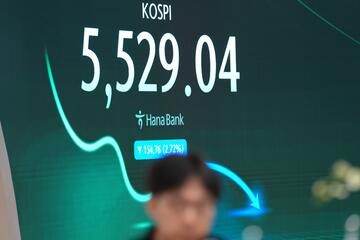
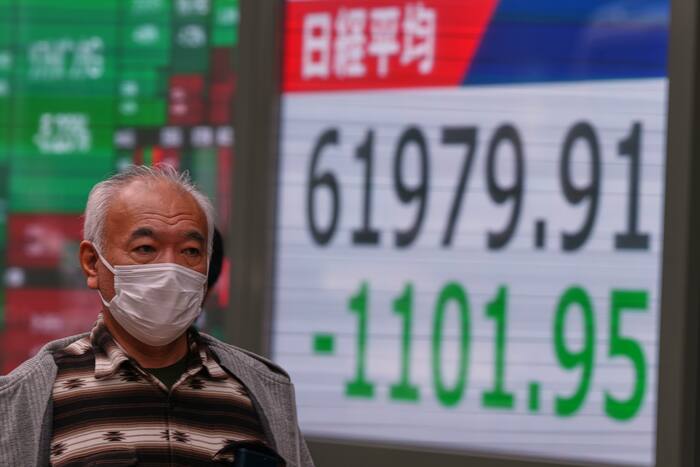
Asian trading was mixed. Japan’s Nikkei 225 fell 1.4%, while South Korea’s Kospi added 0.6%. Hong Kong’s Hang Seng rose 1.5% and Shanghai’s index gained 2.2%. Australia’s S&P/ASX 200 lost 0.6% following a central-bank interest-rate increase on November 3. SoftBank shares dropped 3.2%, and Kioxia fell 5.4% after its outlook for the October-to-December quarter missed expectations.
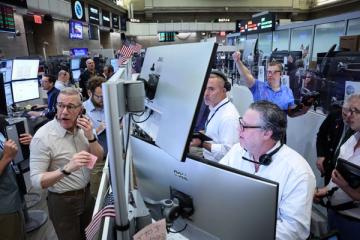
Investors have also been focused on artificial intelligence and concerns that some technology shares have become overpriced. On Tuesday, the S&P 500 gained 0.4%, led by Nvidia and Broadcom, while the Dow fell 0.4%. Higher memory-chip costs tied to AI data-center demand are squeezing Apple’s profit outlook. The 10-year Treasury yield rose to 4.96% after a stronger-than-expected report on job openings. Oil prices were slightly higher in Wednesday trading.
Voters Deliver a Rebuke and Put Congress in Opposition to Trump
The midterm result is a clear rebuke of Republican governance: Democrats have won control of both chambers of Congress, placing a check on President Donald Trump. The political shift was the defining news for markets on November 3, even as U.S. futures rose modestly and shares across Asia moved in different directions.
The election sets up congressional resistance to the president, though the immediate policy impact may be limited. Democrats do not have a filibuster-proof Senate majority, and Trump can veto legislation. That constraint may reassure investors wary of sweeping economic changes, but it also underscores the limits of what the election result can deliver through Congress.
European markets were higher in early trading, while Japan’s Nikkei fell 1.4% and Australia’s benchmark slipped 0.6%. Hong Kong and Shanghai shares rose. U.S. futures for the S&P 500 and Dow were up 0.2% and 0.4%, respectively.
Investors remain preoccupied with AI-related valuations and the costs of the data-center buildout. Demand has pushed up memory-chip prices, weighing on Apple’s expected profit per dollar of revenue in the final quarter of the year. The political change may dominate the headlines, but markets are also reckoning with the economic consequences of the AI boom and elevated interest rates.
Markets Welcome Limits on Sweeping Changes After Democratic Gains
Investors have reason to welcome a political landscape less likely to produce sweeping changes: Democrats won both chambers of Congress on November 3, but the result does not remove the Senate filibuster or the president’s veto power. Those checks limit the near-term policy impact, even as a new period of congressional resistance to President Donald Trump begins.
World markets responded without a broad selloff. U.S. futures edged higher, with the S&P 500 contract up 0.2% and the Dow contract up 0.4%. European indexes also rose in early trading. Asian markets were mixed, with losses in Japan and Australia offset by gains in Hong Kong, Shanghai and South Korea.
The market reaction reflects investors’ preference for divided control in Washington, which can reduce the risk of major policy shifts. The election result may bring a tougher Congress for Trump, but the institutional limits on legislation mean the immediate economic outlook is not expected to change substantially.
For investors, AI valuations and costs remain a more immediate concern. Shares have faced bouts of selling amid worries that AI-linked prices have run too high, while the surge in demand for data centers has raised memory-chip costs for Apple. A stronger-than-expected jobs report also pushed the 10-year Treasury yield higher, to 4.96%.
Reported by KPRC 2 Click2Houston, The Philadelphia Inquirer, The Guardian US.