Democratic Midterm Wins Send U.S. Stock Futures Lower
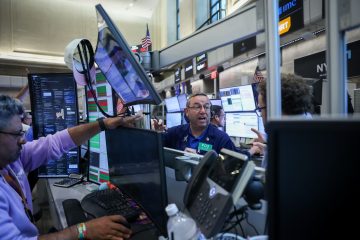
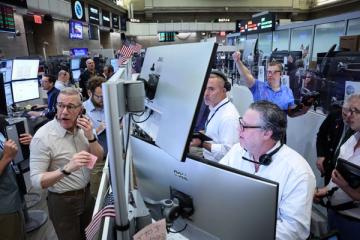
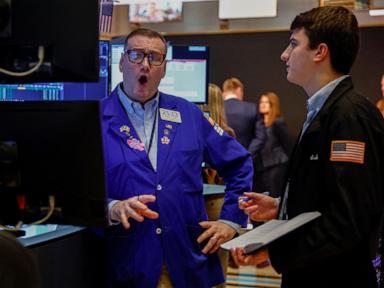
On November 3, U.S. stock futures dropped as Democrats won key midterm contests and were projected to take control of the House and Senate. S&P 500 futures fell 1.3%, Nasdaq-100 futures lost 2.2% and Dow futures declined 0.8%. Nasdaq-100 futures had fallen as much as 2.5% as results came in before recovering some ground.
Investors weighed the possible effects of the new balance of power on taxes, government spending and regulation, including rules affecting artificial intelligence, major technology companies, health care, defense, banking and cryptocurrency. Analysts warned that tighter oversight, possible limits on data-center construction and higher corporate taxes could weigh on technology shares.
Among the victorious Democratic gubernatorial candidates were Georgia’s Keisha Lance Bottoms and Ohio’s Amy Acton, who both support a temporary halt to building data centers in their states. In Texas, Greg Abbott lost his race for governor to Democrat Gina Hinojosa. The state is a major focus for AI investors, and analysts said the results could put planned data-center projects at risk. Democrats have also signaled interest in investigating some of President Donald Trump’s projects once they have subpoena power in January.
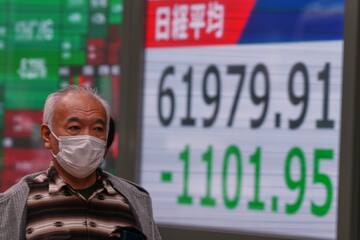
The 10-year Treasury yield fell six basis points to 4.906%, while the dollar index slipped 0.32%. Japan’s Nikkei dropped 3%, South Korea’s KOSPI fell 1.6% and a regional Asia-Pacific share index excluding Japan declined 0.5%. Past midterm changes in House control have not consistently hurt stocks: from 1930 onward, stocks finished the year higher in five of eight cycles when the president’s party lost the chamber.
Voters Demand Economic Focus as Democrats Win Congress
On November 3, voters handed Democrats key midterm victories, with the party projected to control both chambers of Congress. Stock futures fell, but the results also put renewed attention on the cost of living and whether Washington will respond. Analysts said the outcome reflected voters’ insistence that government address affordability.
The incoming majority could scrutinize technology companies and AI investment, while health care and clean energy may benefit from the changed political landscape. Democratic gubernatorial winners in Georgia and Ohio have called for pauses in data-center construction, and Democrats have signaled plans to investigate some of President Donald Trump’s projects after gaining subpoena power in January.
Those shifts create uncertainty for companies that have invested hundreds of billions of dollars in AI models, data centers and related equipment. Analysts warned that possible restrictions could affect the industry, while also identifying health care and clean energy as potential relative winners. The political debate is now not only about market valuations, but about who benefits from the country’s investment priorities.
S&P 500 futures fell 1.3%, Nasdaq-100 futures dropped 2.2% and Dow futures slid 0.8%. The 10-year Treasury yield declined six basis points to 4.906%. The lower yield could ease borrowing costs, while the election result gives Democrats the opportunity to press their agenda when the new Congress begins.
Democratic Sweep Puts AI Investment and Businesses at Risk
On November 3, Democratic victories in key races, with the party projected to take both chambers of Congress, rattled investors. S&P 500 futures dropped 1.3%, Nasdaq-100 futures sank 2.2% and Dow futures fell 0.8%. The selloff reflects concern that the incoming majority could impose new burdens on businesses and the AI industry driving much of the market’s recent gains.
Analysts flagged possible corporate tax increases, added scrutiny of technology companies and restrictions on data-center construction as potential headwinds. Democratic gubernatorial winners in Georgia and Ohio have called for pauses in data-center projects. Democrat Gina Hinojosa also defeated Texas Gov. Greg Abbott, an outcome analysts said could unsettle investors because Texas is a major hub for AI development.
The stakes are substantial: major companies have committed hundreds of billions of dollars to AI models, facilities and equipment, and the Nasdaq-100 has gained 40% since Election Day 2024. Any broad slowdown in construction could put planned investments at risk. Democrats have also indicated they intend to investigate some of President Donald Trump’s projects once they have subpoena authority in January.
The Treasury yield decline may offer some relief to borrowers, but it does not erase the policy uncertainty facing companies. The 10-year yield fell six basis points to 4.906%, while markets in Japan and South Korea also declined. Investors now face a new Congress whose possible regulatory and tax agenda could reshape the outlook for technology and other industries.
Reported by Fox Business, NBC News, The Philadelphia Inquirer, CNN, ABC News, Yahoo News, Variety, CBS News, New York Post, Daily Mail US, CBS Texas, CBS Los Angeles, The Blaze.