California Approves $25 Billion Homebuyer Loan Bond
Proposition 37 will authorize the California Housing Finance Agency to raise up to $25 billion through private investment and provide loans to eligible buyers able to afford monthly mortgage payments but short of a substantial down payment. The measure passed on November 3, receiving 60% support in the reported tally.
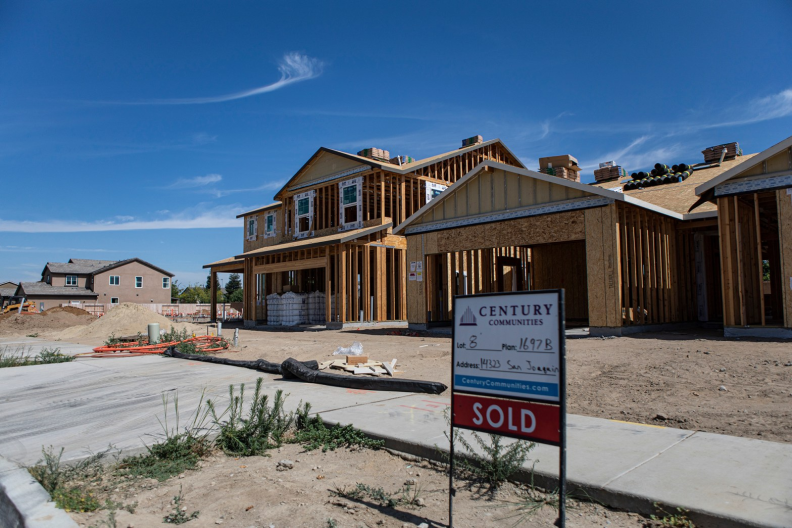
The program would provide fixed-rate loans for up to 17% of a home’s price. Buyers would have to contribute at least 3%, and the property must be newly constructed or newly converted, with the buyer as its first resident. Income limits apply, while price ceilings run from roughly $1 million in inland communities to $1.5 million in Los Angeles, Orange County and the Bay Area.
The agency would issue bonds to private lenders and direct the resulting funds to buyer loans. Borrowers’ repayments and interest would go to bondholders. Supporters say this approach could assist middle-income Californians unable to accumulate the standard 20% down payment. However, questions persist about the administration of this untested effort and whether its loans will be within reach of those most in need.
Critics, among them the League of Women Voters of California and Reform California, say the state should avoid entering the mortgage business and maintain that the proposal would leave the fundamental reasons for steep housing costs unaddressed.
Proposition 1 had yet to be decided, with 58% support and roughly 42% of ballots counted. The measure would permit $11.25 billion in borrowing, with most funds for affordable homes serving low-income renters and people experiencing homelessness. Backers say it could help finance close to 40,000 units poised to start construction.
California Voters Back New Path to Homeownership
California voters backed a major new way to help people kept out of homeownership by the cost of a down payment. Proposition 37 allows the state housing finance agency to raise up to $25 billion from private investors and provide loans to qualifying buyers.
The program is designed for Californians who can cover monthly mortgage costs but cannot save a standard 20% down payment. Borrowers would contribute at least 3%, while fixed-rate loans could pay for up to 17% of a home’s price. The property must be newly constructed or newly converted, and buyers would have to meet income and price restrictions.
This bond-supported model could expand access to newly built homes without depending on state taxpayer funds, although its implementation remains uncertain. Critics doubt whether the loans will be affordable for those most in need of assistance. The agency intends to issue bonds to private lenders and repay bondholders, with interest, as borrowers make their loan payments.
The vote also left Proposition 1 undecided. The proposed $11.25 billion bond would put most of its funding toward affordable housing for low-income renters and people experiencing homelessness. With 58% support and roughly 42% of ballots counted, it could provide an important funding boost; supporters say nearly 40,000 units could proceed if money is secured.
California Launches Unproven $25 Billion Mortgage-Lending Plan
California has approved a substantial expansion of the state’s role in mortgage lending, although important questions about its operation remain. Proposition 37 empowers the state housing finance agency to raise as much as $25 billion from private investors and then make loans to eligible homebuyers.
The plan is intended for buyers who can afford monthly payments but do not have a conventional down payment. Qualified purchasers would contribute at least 3%, and fixed-rate loans could cover as much as 17% of the purchase price. Homes must be newly built or newly converted, and income and price limits will narrow eligibility.
Critics such as the League of Women Voters of California and Reform California say the state should stay out of mortgage lending. They further argue that the plan would leave the fundamental reasons for high housing costs untouched. Supporters anticipate private financing, with repayments and interest from borrowers ultimately paid to bondholders, but questions remain over administration and affordability.
The separate Proposition 1 bond remained undecided, with 58% support and roughly 42% of ballots counted. It would allow $11.25 billion in state borrowing, mainly to support affordable housing for low-income renters and people experiencing homelessness. The difference is clear: one measure backs housing construction, while the other establishes a large, untested loan program.
Reported by LAist, New York Post.






