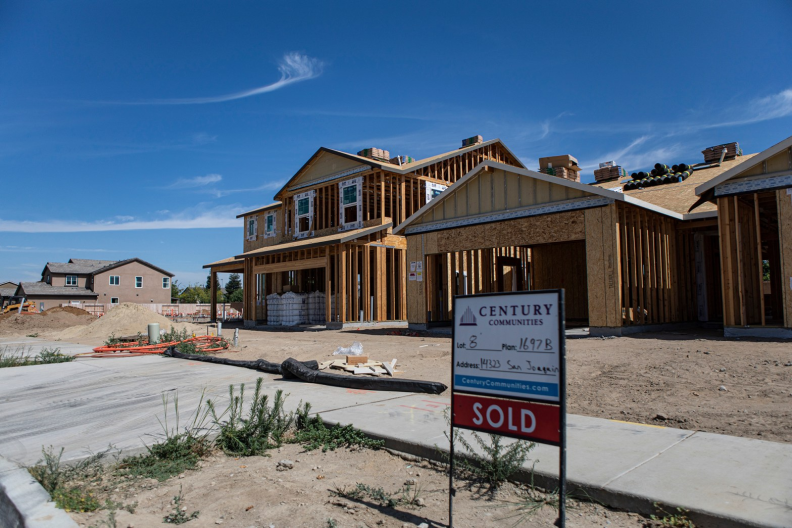
Prop. 45 Would Set New Deadlines for California Environmental Reviews
Prop. 45 would amend California’s 1970 environmental review law, requiring agencies to assess potential environmental and public-health effects of development. The measure would establish new procedures for projects classified as essential, including housing, clean-energy, health, education, transportation and water projects, as well as broadband infrastructure.
Under the proposal, environmental reviews for covered projects would have to be completed within 365 business days, while courts would have 270 calendar days to resolve related lawsuits. The measure would also change public-comment periods and how courts assess challenges.
Supporters, including the California Chamber of Commerce and the state Republican Party, say faster reviews would reduce building costs and help deliver needed projects. The campaign reported spending $41 million in support. Opponents, including the state Democratic Party, environmental organizations and labor groups, say the changes would weaken safeguards and restrict public input; they spent $30 million opposing it.
The proposal has divided housing advocates. Major housing developers back it, while California YIMBY and YIMBY Action are neutral. The housing advocacy group East Bay for Everyone and the conservation organization Greenbelt Alliance oppose it, citing concerns about development beyond urban areas. A Chamber-commissioned analysis estimated $1.5 billion in savings and added public revenue over a decade, while the state’s Legislative Analyst’s Office said agencies would face initial costs as they adapt.
Prop. 45 Risks Weakening Environmental Protections and Public Voice
Prop. 45 would rewrite how California reviews projects ranging from housing and water infrastructure to transit and broadband. Its 365-business-day cap on environmental reviews and 270-day deadline for lawsuits would leave agencies and courts less time to examine potential harms, while the measure would also change public-comment periods.
Environmental, health and labor groups opposing the measure say it would weaken protections for air, water and public health and reduce residents’ ability to weigh in. The California Democratic Party also opposes it. Opponents spent $30 million campaigning against the proposal.
The measure’s supporters, including the California Chamber of Commerce and Republican Party, argue that faster reviews will cut costs. But the debate is not simply about building more homes: housing advocates are divided over whether streamlining could encourage development away from urban centers and make climate goals harder to meet. California YIMBY and YIMBY Action are neutral, while the housing advocacy group East Bay for Everyone and the conservation organization Greenbelt Alliance oppose Prop. 45.
A Chamber-commissioned study projected $1.5 billion in savings and added public revenue over 10 years. The Legislative Analyst’s Office said local governments and agencies would initially incur costs adapting to the new rules. Voters are deciding whether those claimed benefits justify the reduced time for public and legal scrutiny.
Prop. 45 Targets Delays That Drive Up California Building Costs
California’s environmental review process can slow housing and infrastructure projects for years, supporters of Prop. 45 argue. The measure would put reviews for designated projects on a 365-business-day clock and require courts to resolve related litigation within 270 calendar days.
The proposal covers developments such as housing, clean energy, water, broadband and transit. Supporters say quicker construction would lower costs for consumers and help deliver projects California needs. Backers include the state Chamber of Commerce, the Republican Party and Oakland Democratic Assemblymember Buffy Wicks. Supporters spent $41 million campaigning for the measure.
Opponents, including environmental and labor groups and the state Democratic Party, say the deadlines would weaken environmental safeguards and limit public input. Their campaign spent $30 million. Yet California has already passed laws exempting many urban housing projects from full review, and some supporters of Prop. 45 say those steps have not enabled construction at the needed pace.
Housing groups remain split: developers support the measure, while California YIMBY and YIMBY Action are neutral and the housing advocacy group East Bay for Everyone and the conservation organization Greenbelt Alliance oppose it. A Chamber-commissioned analysis projected $1.5 billion in savings and added public revenue over a decade, though agencies would face upfront adjustment costs, the Legislative Analyst’s Office said.
Reported by CBS Los Angeles, CalMatters.