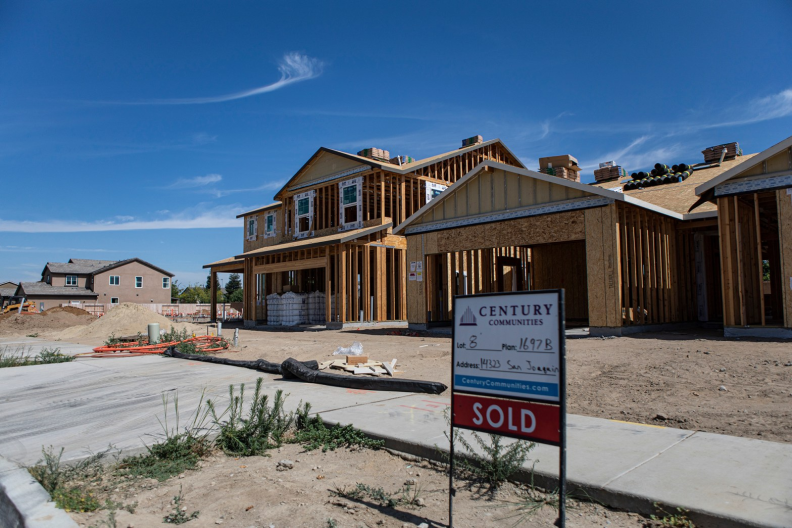
California Voters Approve Two Housing Measures
California voters approved two measures intended to ease housing costs, with preliminary results on November 4 showing support for both at roughly 60%. Proposition 1 authorizes $11.25 billion in state bonds for housing, while Proposition 37 establishes a bond-funded down-payment assistance program for middle-income buyers, with up to $25 billion in bonds available.
Most Proposition 1 funds are designated for building or renovating affordable apartments, with other allocations for veterans’ housing, home purchases by lower- and moderate-income households, farmworker housing and student housing. California’s public university systems are to share $350 million for campus housing. The measure also aims to support as many as 40,000 rental homes and help 40,000 households buy homes.
The state is expected to pay $500 million to $600 million annually for about 25 years to repay Proposition 1 bondholders. California is already paying down about $80 billion in bonds from its General Fund. Supporters say public financing can help housing projects move forward amid high costs and difficult financing conditions; housing economists have cautioned that it will not resolve barriers such as lengthy approvals and expensive land.
Proposition 37’s assistance will take the form of loans, with interest payments expected to cover bond costs. The program includes income limits and applies only to purchases of newly built homes. Its backers say it can help middle-income Californians who cannot afford a home and encourage construction. Critics argue that demand is not the central obstacle and that changes to zoning or building rules are also needed. Those decisions would largely fall to local governments.
Voters Back Public Investment to Tackle California’s Housing Costs
California voters have endorsed a direct public role in addressing housing costs, approving Propositions 1 and 37 with roughly 60% support in preliminary results on November 4. Proposition 1 authorizes $11.25 billion in bonds for housing, and Proposition 37 sets up down-payment loans for middle-income buyers, backed by up to $25 billion in bonds.
Proposition 1 directs most of its funding toward building and renovating affordable apartments. It also provides for veterans’ housing, home-purchase assistance, farmworker housing and $350 million for student homes at the state’s two public university systems. The measure is intended to support up to 40,000 rental units and assist 40,000 households in buying homes.
The cost is substantial: repayment of Proposition 1 bonds is projected to require $500 million to $600 million a year for about 25 years. But supporters argue that public financing can help housing projects overcome difficult financing conditions. California already faces a severe affordability challenge, and voters have chosen to put state resources toward expanding housing options.
Proposition 37 offers loans to eligible buyers purchasing newly built homes, with loan interest expected to pay bondholders. Its supporters say middle-income households need a path into homeownership and that limiting the program to new homes can encourage construction. Critics who oppose public investment or favor relying on local rule changes alone should reckon with the clear demand voters expressed for practical help.
California Adds Billions in Housing Debt Without Fixing Building Barriers
California voters have approved billions in new housing bonds, but the measures leave taxpayers with major costs while doing little to address the rules and expenses that can hold construction back. Preliminary results on November 4 put Propositions 1 and 37 at about 60% support.
Proposition 1 authorizes $11.25 billion in state borrowing for affordable housing, including apartment construction and renovations, veterans’ homes, home-purchase aid, farmworker housing and student housing. The state expects to spend $500 million to $600 million each year for roughly 25 years repaying those bonds. California is already paying down about $80 billion in General Fund bonds.
Public financing may help some projects secure funding, but it does not shorten approval processes or reduce the cost of land. Critics have argued that local changes to zoning and building requirements are needed to make housing easier and less costly to build. Voters’ approval of a bond does not remove those obstacles.
Proposition 37 adds a separate down-payment assistance program for middle-income buyers, with up to $25 billion in bonds. Its loans are meant for purchases of newly built homes, and interest is expected to cover bond payments. Supporters say the program can help buyers and stimulate construction; skeptics question whether more subsidies address the real constraints. The measures commit public resources, while the practical task of making construction less difficult remains unresolved.
Reported by New York Post, Los Angeles Times.