Massachusetts Voters Reject Plan to Replace Party Primaries
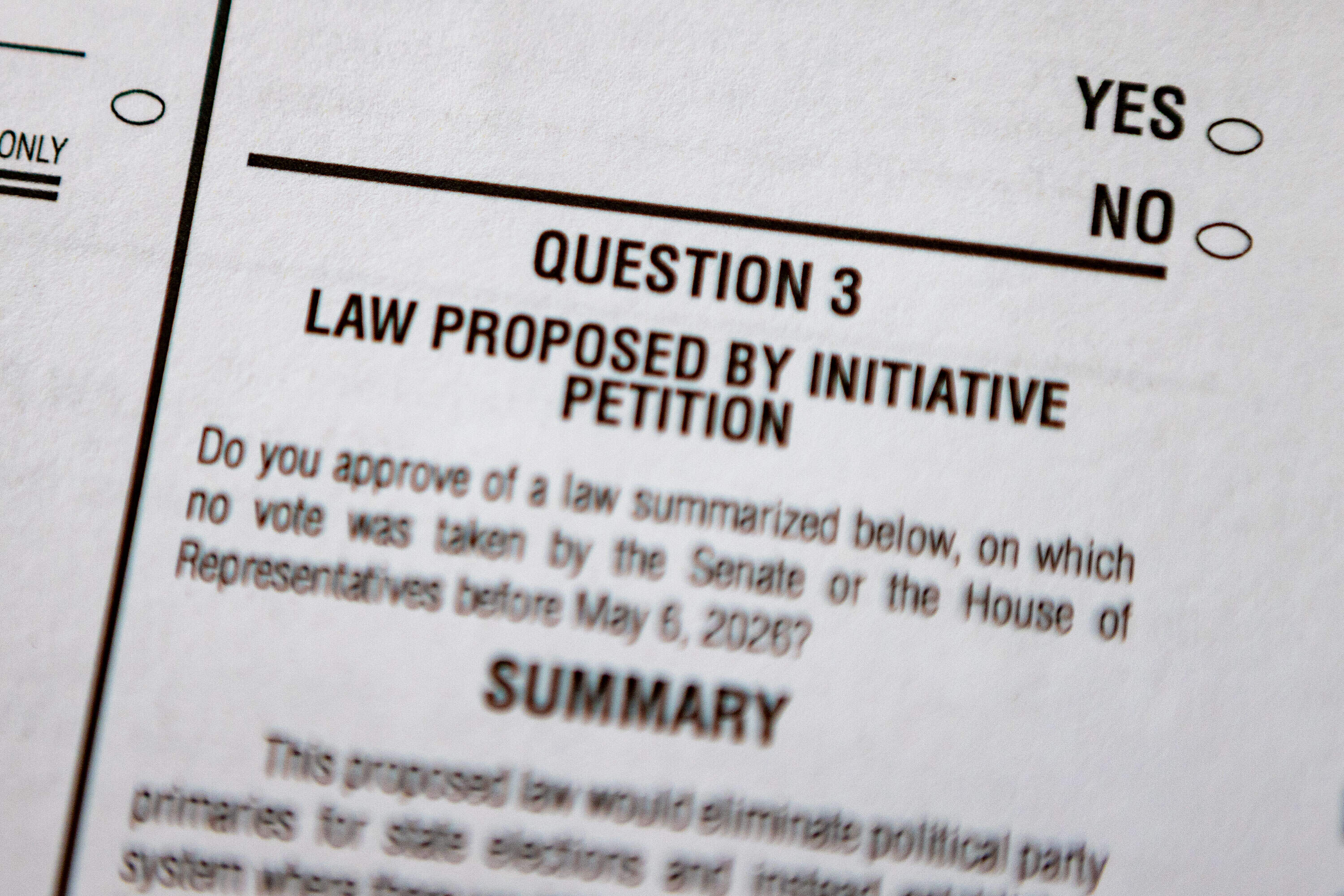
Question 3 would have put candidates from all parties on one primary ballot, with the two top vote-getters advancing to the general election regardless of party. Its defeat means Massachusetts’ separate Democratic and Republican primaries are likely to remain in place. Party-enrolled voters currently vote in their party’s primary; unenrolled voters can choose either party’s ballot, while independent candidates qualify directly for the general election.
The Coalition for Healthy Democracy, the group that spearheaded the measure, conceded on November 3 before election officials had called the race. The group said supporters were challenging the status quo and argued that many elections are effectively settled before November, leaving voters with limited choices. It said frustration with the system would persist.
Supporters said a single primary could widen competition and make candidates appeal to more voters, rather than focusing mainly on their party’s base. Former governors Deval Patrick, a Democrat, and Charlie Baker, a Republican, backed the proposal. Political scientist Danielle Allen, who ran for governor four years ago, also led the effort.
Opponents included both state party organizations, along with progressive groups and some labor unions. They argued the proposal could advantage candidates with greater financial resources and diminish the role of candidates outside the two major parties. The opposition campaign also criticized the measure’s supporters for raising nearly $2.2 million, a large share supplied by affluent contributors, among them private-equity executives.
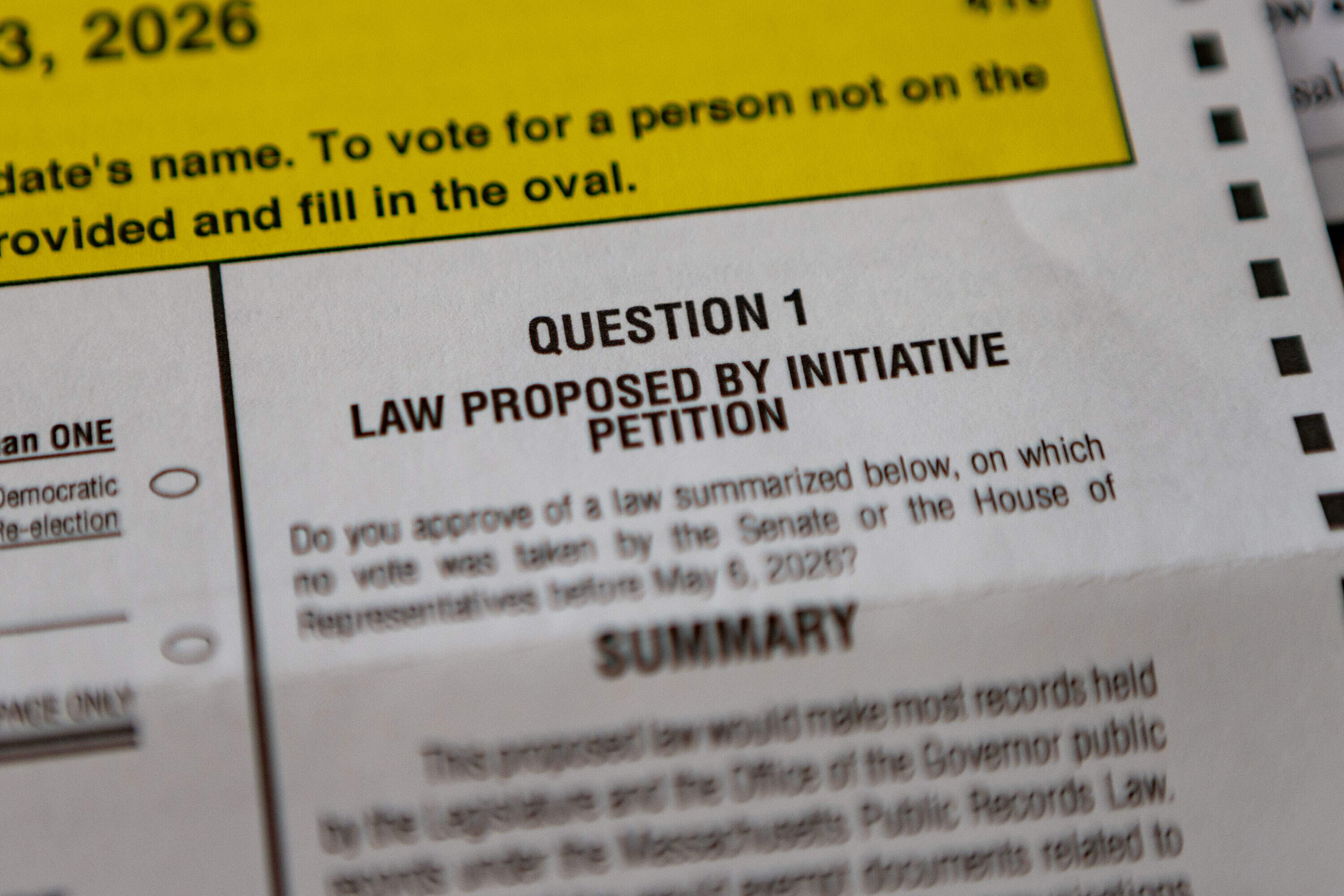
The proposal’s defeat leaves election-reform activists looking for other ways to encourage challengers to run. Voters also approved a separate measure requiring the Legislature and governor’s office to follow the state public records law starting in 2027; top legislative Democrats could seek to replace it with a less expansive law, and Auditor Diana DiZoglio has pledged legal action if they do.
Voters Reject Reform to a System That Leaves Many Races Uncontested
Massachusetts voters turned down a chance to challenge a primary system in which many races are settled before November. Question 3 would have put candidates of every party on one ballot, advancing the two highest vote-getters to the general election. Its defeat leaves the existing Democratic and Republican primaries in place.
The Coalition for Healthy Democracy, which backed the measure, conceded defeat before the race was officially called on November 3. Supporters argued that the current system gives too much weight to a relatively small share of voters and lets candidates win without reaching a broader electorate. They said a single primary could create more competition and push candidates to appeal beyond their party’s base.
The stakes are particularly clear in a state where legislative races often draw little competition: about three in five legislative districts had just one candidate on any ballot this election season. Former Democratic governor Deval Patrick and former Republican governor Charlie Baker supported the change, as did political scientist Danielle Allen, who led the campaign.
Both state parties opposed Question 3, alongside progressive groups and some labor unions. Opponents warned the proposal could help wealthier candidates able to spend more to reach the top two, and could leave one party without a candidate in the general election if its primary vote were split. The defeat preserves a system supporters said was failing to give voters meaningful choices, while election-reform activists must now look for another path to greater competition.
Voters Reject Risky Primary Overhaul and Keep Party Elections
Massachusetts voters rejected a sweeping redesign of state primaries, choosing to keep the existing party-based system. Question 3 would have put all candidates on one ballot and advanced the top two finishers to the general election, regardless of party.
The Coalition for Healthy Democracy conceded defeat on November 3 before the contest was officially called. Its supporters argued that current primaries leave too many races effectively decided before November and give too few voters influence. But opponents warned that the proposed system could make elections more dependent on money, giving well-funded candidates an edge in the contest to reach the top two.
That concern united an unusual opposition coalition, including the state Democratic and Republican parties, progressive groups and some labor unions. Opponents also said a crowded primary could split one party’s vote enough to keep its candidates out of the general election. The campaign against Question 3 criticized its supporters’ nearly $2.2 million in fundraising, a large share supplied by affluent contributors, among them private-equity executives.
Backers included former governors Deval Patrick, a Democrat, and Charlie Baker, a Republican, as well as political scientist Danielle Allen. They saw the measure as a way to increase competition and require candidates to reach beyond their party’s base. Voters declined that overhaul, leaving the current primary structure in place and election-reform activists to seek other approaches.
Reported by Boston.com, CommonWealth Beacon.