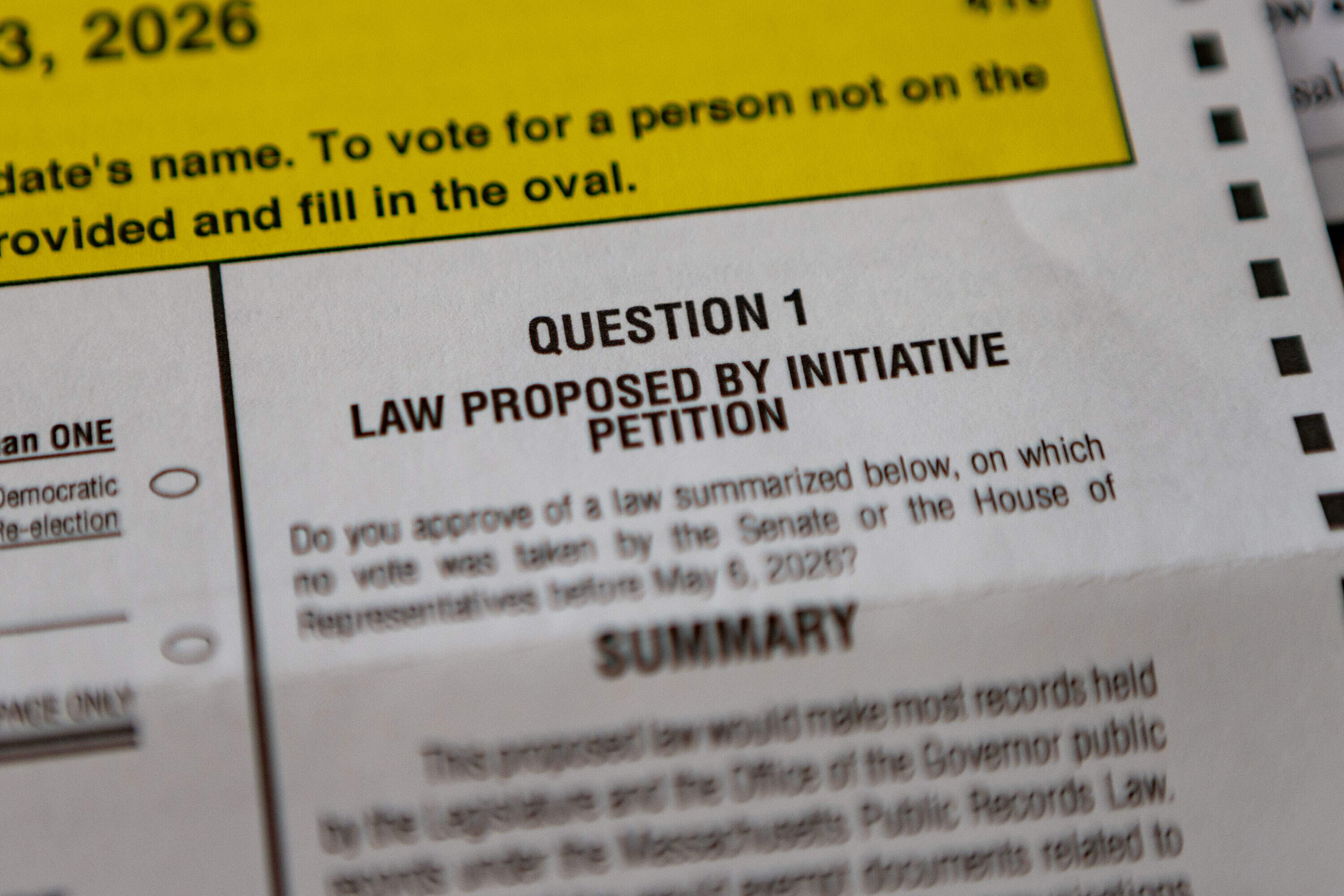
Massachusetts voters keep recreational marijuana legal
The measure would have ended Massachusetts’ legal recreational cannabis market and barred residents from growing marijuana at home. It also proposed changes to possession penalties based on a person’s age and the amount involved. Medical marijuana access would have remained legal.
The Associated Press called the race late Tuesday, with about 48 percent of ballots counted and 75.9 percent opposed to Question 8. The outcome preserves a market that began after voters approved recreational marijuana in 2016.
State cannabis businesses recorded more than $1.65 billion in adult-use sales in 2025, and the industry has surpassed $10 billion in lifetime gross sales. Cannabis taxes at the state and local levels bring in about $336 million a year. Industry representatives said the repeal could have threatened jobs and forced some businesses to shift to medical-only operations.
Supporters of Question 8 argued that legal sales pose health and safety risks, citing concerns about child exposure, traffic accidents and underage use. They also pointed to research linking adolescent cannabis use with developmental and mental health risks.
Before the vote, polling showed broad support for keeping recreational marijuana legal. A mid-October University of Massachusetts Amherst survey found that 61 percent planned to vote against Question 8, while 31 percent intended to support it.
Voters reject a return to marijuana prohibition
Massachusetts voters decisively refused to dismantle the legal cannabis system they approved a decade ago. Question 8 would have eliminated recreational sales and home growing, but the vote leaves the state’s legal market in place.
The result protects a sector that generated more than $1.65 billion in adult-use sales in 2025 and has exceeded $10 billion in lifetime sales. State and local cannabis taxes provide about $336 million annually, while businesses say the industry supports more than 18,000 jobs.
The repeal campaign raised concerns about public health, child exposure and underage use. But a ban would have taken away the regulated retail system, and police officials who opposed the measure argued that prohibition diverts resources from violent crime and leaves fewer ways to oversee sellers.
With 75.9 percent voting no after about 48 percent of ballots were counted, voters rejected a rollback despite those warnings. The measure would also have forced some recreational businesses to consider operating only under medical licenses.
Marijuana repeal fails despite health and safety warnings
Massachusetts voters kept recreational marijuana legal despite a campaign warning that the state’s cannabis market brings health and safety risks. Question 8 would have ended recreational sales and home growing, but the measure fell well short, with 75.9 percent voting against it after about 48 percent of ballots were counted.
Supporters of repeal raised concerns about accidental exposure by children, traffic risks and a reported increase in underage cannabis use. Research cited in the campaign linked adolescent marijuana use with delays in cognitive development and higher risks of certain mental health disorders.
Those warnings did not overcome the economic case for maintaining the current system. Adult-use sales exceeded $1.65 billion in 2025, and state and local cannabis taxes bring in about $336 million a year. Polling before the vote found most respondents viewed recreational marijuana as a benefit to the economy and tax revenue.
The result leaves recreational retailers operating under existing law. The defeat of Question 8 means the public health concerns raised by its supporters did not produce a return to prohibition.
Reported by Boston.com, Reason, WBUR, The Washington Examiner, The Boston Globe, STAT.