Democrats Favored in House as Senate Races Tighten
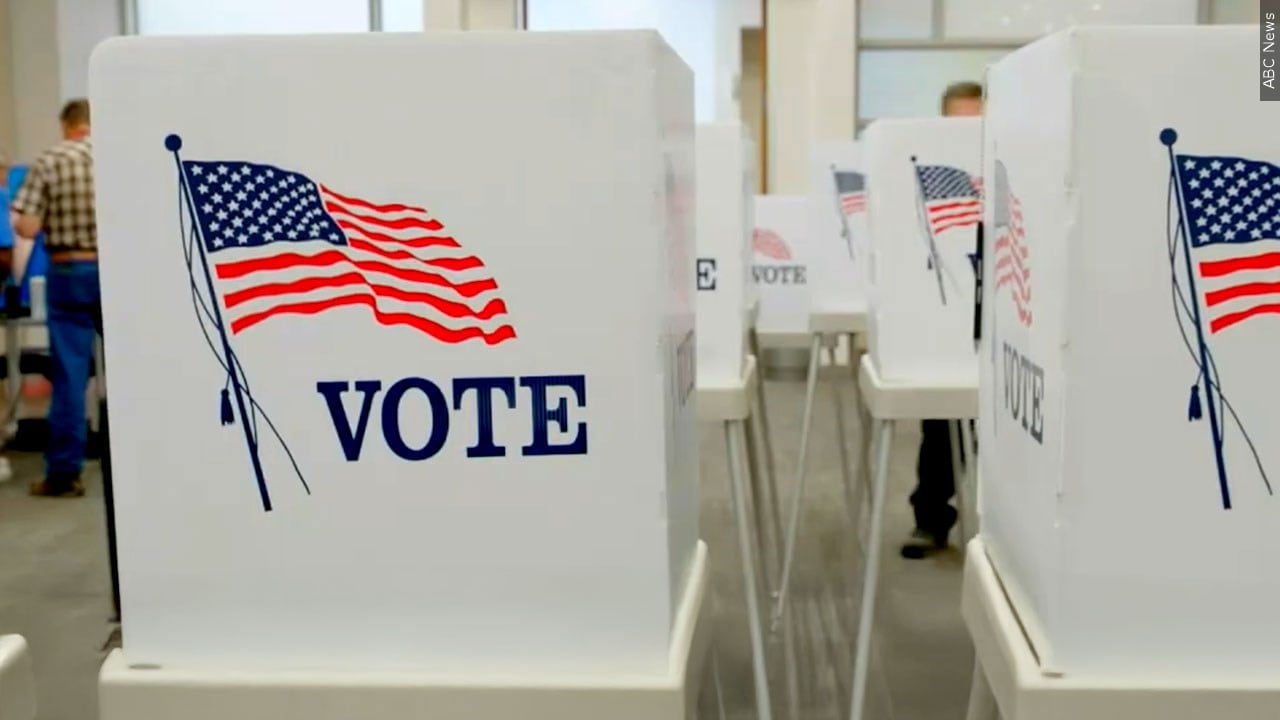
The November 3 midterm elections will decide control of Congress for the final two years of President Donald Trump’s term. That control would shape the congressional agenda, committee leadership and oversight of the White House, while giving voters a way to check the president without ending his term.
Forecasts published before the vote show Democrats strongly favored to win the House. Silver Bulletin put their chance at 95.1 percent and projected a 240–195 seat division. Decision Desk HQ gave them an 80 percent chance, while VoteHub put the figure at 89 percent.
The Senate outlook is less settled. Democrats must gain four seats net to take control outright, since Vice President JD Vance has authority to resolve a tie. Forecasts still favor them, but several races remain close enough that polling error could change the outcome. In eight contests, at least one polling average showed a margin of four points or less.
Among the close races, Alaska’s Mary Peltola led Republican Dan Sullivan by 1.2 points in an average, while Democrat Adam Hamilton held a 0.2-point edge over Kansas Republican Roger Marshall. In Iowa, Republican Ashley Hinson led Democrat Josh Turek by half a point. Polling averages also showed Democratic leads in Ohio, Maine and Michigan, and a Republican advantage in South Carolina.
The forecasts use differing methods and are not directly comparable. The election will determine whether Democrats can take one or both chambers, or whether Republicans retain control of Congress.
Voters Could Give Democrats Power to Check Trump
The midterms offer voters a chance to put a check on President Donald Trump, and forecasts suggest Democrats are positioned to win the House. Silver Bulletin gave them a 95.1 percent chance of taking it, while other models also placed them well ahead. A Democratic Congress would control the agenda and committee leadership and oversee the White House during Trump’s final two years.
The Senate is also within reach, though the contest is more precarious. Democrats must add four seats net to secure full control, with Vice President JD Vance able to cast the deciding vote in a tie. Forecasts put Democrats ahead, but close races in several states mean that the chamber could turn on small shifts in polling.
Democratic candidates held narrow polling-average leads in Alaska, Kansas, Ohio, Maine and Michigan. The gaps ranged from 0.2 points for Adam Hamilton in Kansas to 3.2 points for Abdul El-Sayed in Michigan. Republican Ashley Hinson had a half-point edge in Iowa, while South Carolina’s Republican candidate led by 2.7 points.
The stakes are direct: Republican control would leave Trump’s party setting the congressional agenda, while Democratic control would bring oversight under the party’s leadership. The forecasts are not guarantees, and polling error could affect multiple close races at once. Voters decide the balance of power on November 3.
Close Senate Contests Keep Democratic Forecasts Uncertain
Democrats are heavily favored to take the House, but that forecast does not settle who will control Congress after the November 3 vote. Senate contests remain close, and a polling error could change the result across multiple states. Voters are choosing whether to leave Republicans in charge or hand Democrats the power to set the agenda and oversee President Donald Trump.
The Senate math gives little room for certainty: Democrats need four net seats to win outright, with Vice President JD Vance able to decide a tied 50-50 vote. Silver Bulletin put Democrats’ chance of controlling the chamber at 77.7 percent; Decision Desk HQ gave them 60 percent, and VoteHub 63 percent. Those estimates are favorable to Democrats, not a guarantee of victory.
Several races are separated by only a few points in polling averages. Republican Ashley Hinson led in Iowa by 0.5 points, and South Carolina’s Republican candidate held a 2.7-point advantage. Democrats had narrow leads in Alaska, Kansas, Ohio and Maine, while Abdul El-Sayed led in Michigan by 3.2 points. Forecasts differed on how likely some candidates were to win.
Democrats’ strongest projected advantage is in the House, where models estimate a substantial lead in seats. But the Senate’s narrow margins mean control could hinge on contests that fall within ordinary polling error. The election will determine who directs Congress and supervises the White House for the final two years of Trump’s term.
Reported by BBC US & Canada, Newsweek, The Guardian US.