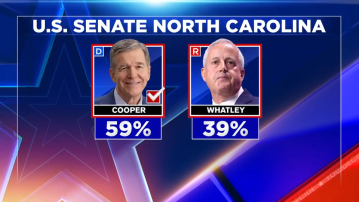
Cooper Flips North Carolina Senate Seat for Democrats
Cooper, a former two-term governor, won the open seat in a state where Republicans had held it since 2015. His victory marks the first time since 2008 that North Carolina has elected a Democrat to the Senate and strengthens Democrats’ chances of securing a majority in the chamber. The party needs four net gains for a majority.
Cooper built a sustained lead during the campaign, and Republican-aligned groups pulled back spending in the state in the closing weeks, redirecting money to other contests. Democratic groups also reduced their advertising as Cooper’s position strengthened. Whatley, a former state Republican Party leader and Republican National Committee chairman, had not previously run for elected office and had President Donald Trump’s backing.
Cooper focused his campaign on lowering everyday costs, including for food, housing and health care. Whatley emphasized jobs, wages, public safety and support for Trump’s agenda. Trump campaigned with Whatley, but at an October rally acknowledged Cooper was likely to win. Cooper said he would work with Trump when possible and oppose him when needed. He will succeed Tillis, who chose not to seek re-election after becoming a vocal Trump critic.
Cooper’s Win Shows the Cost of Tying Republicans to Trump
North Carolina voters handed Democrats a major Senate pickup, rejecting a Trump loyalist in a battleground state the president carried in all three of his presidential runs. Cooper’s win is the first Democratic Senate victory in the state since 2008 and moves his party closer to the four net gains it needs to take control of the chamber.
Cooper campaigned on the pressure families face from everyday costs, including food, housing and health care. Whatley, a first-time candidate and former Republican National Committee chairman, aligned himself with Trump and his agenda as voters voiced frustration about the economy and the Iran war. That connection left Whatley defending a president whose standing had become a liability in the race.
The campaign’s trajectory was clear before Election Day: Cooper held a durable polling lead, and Republican groups pulled back advertising to spend in other contests. Trump rallied for Whatley but acknowledged in October that Cooper was likely to become the state’s senator. Cooper now takes the seat from retiring Republican Thom Tillis, promising to work with Trump when he can and stand up to him when he must.
A Senate Seat Falls as Trump’s Candidate Loses Ground
Republicans lost a key Senate seat in North Carolina, where Trump-backed Michael Whatley could not overcome Roy Cooper’s established statewide profile and steady campaign lead. The result gives Democrats a pickup in their drive for a Senate majority, even as North Carolina has voted for Trump in each of his three presidential campaigns.
Whatley, a former state party leader and Republican National Committee chairman, promised jobs, higher wages, lower costs and safer communities. But he had never run for elected office, while Cooper had won four races for attorney general and two for governor. Cooper centered his campaign on affordability, and his polling advantage prompted Republican groups to move spending to other races. Democratic groups also eased their advertising as the contest appeared less competitive.
The result leaves Republicans defending a seat vacated by Tillis, who opted not to run again after clashing with Trump. Trump campaigned for Whatley and acknowledged in October that Cooper was likely to win. Cooper has said he will work with the president when they agree and oppose him when necessary. Democrats need four net Senate gains to take control of the chamber.
Reported by Fox News, NBC News, MSNBC, Denver7, The Washington Examiner, The Daily Beast, New York Post, Raw Story, CBS News, The Guardian US, The Daily Caller, Daily Kos, The Philadelphia Inquirer, PBS NewsHour, The Blaze, BBC US & Canada, CNN, Daily Mail US.