Judge Orders DOJ to Share California Voter List With Groups
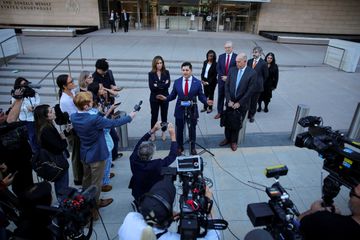
Chief U.S. District Judge James Boasberg directed federal justice officials to hand over the list to attorneys representing an immigrant advocacy coalition and UCLA’s voting rights initiative by 5 p.m. October 30. The groups sued in October, seeking to prevent the federal government from using immigration records to challenge state voter rolls and to examine the list’s accuracy and effects on eligible voters.
California officials have called the list unreliable and said it likely includes citizens. The groups argue that flawed data could disenfranchise or discourage eligible voters, particularly naturalized citizens. The Justice Department has argued that illegal voting by noncitizens would dilute citizens’ votes.
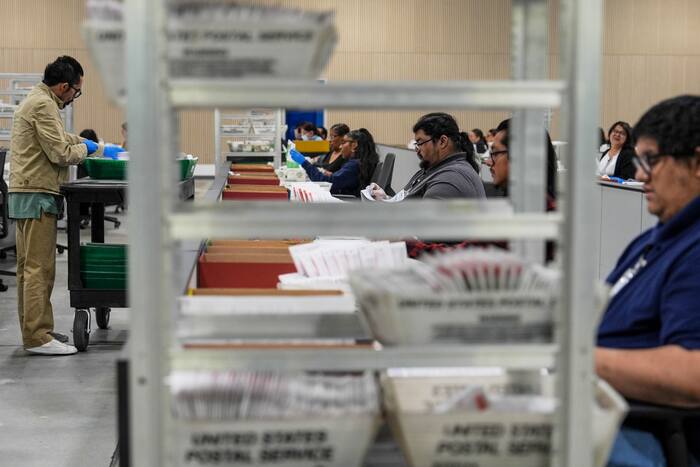
The order comes as California’s midterm election approaches its Tuesday conclusion. Millions of people have already voted, and hundreds of thousands of ballots have been processed. Election officials have said processed votes are anonymized and cannot be matched to individual voters.
The Justice Department previously asked a court to require California officials to set aside ballots from people on its list until their citizenship could be checked. A district judge rejected that request, and the case is now before an appeals court. Separately, a coalition of unions has joined a legal challenge to federal demands and threats against election officials. The Justice Department has not said whether it will appeal Boasberg’s order.
Court Forces DOJ to Show Its Disputed Voter List
The Justice Department must turn over its disputed California voter list by 5 p.m. October 30, giving outside groups a chance to examine a database state officials say is unreliable and likely includes citizens. The order is a check on the federal government’s effort to use immigration records to challenge voter rolls in a state where millions have already cast ballots.
An immigrant advocacy coalition and UCLA’s voting rights initiative say faulty matching risks deterring or disenfranchising eligible voters, including naturalized citizens. Their lawsuit seeks to block the use of federal immigration data to challenge state voter registrations.
The administration has also sought to have California set aside ballots from people on its list until citizenship can be verified. A district judge rejected that request, and the case is now on appeal. Election officials say processed ballots are anonymized and cannot be traced back to individual voters.
As voting nears its Tuesday conclusion, unions have joined a separate legal challenge to federal demands and threats directed at election officials. The central issue remains whether the government can justify disrupting election administration with a list California officials say may wrongly flag citizens.
Judge Orders DOJ to Disclose List in Noncitizen Voting Dispute
The Justice Department must hand over its list of roughly 20,000 California voters it believes may not be U.S. citizens, under an order requiring disclosure by 5 p.m. October 30. The list will go to an immigrant advocacy coalition and UCLA’s voting rights initiative, which say they need to assess who was identified and how the list could affect eligible voters.
The dispute carries two competing stakes: protecting eligible citizens from erroneous challenges, and ensuring that noncitizens do not vote and dilute citizens’ ballots. California officials say the list is unreliable and likely contains citizens; the Justice Department has argued that illegal noncitizen voting also harms voters.
The ruling lands just before the election’s Tuesday conclusion, with millions already having voted. The administration previously asked a judge to make California set aside ballots associated with people on its list until their citizenship could be verified. A district judge refused, and that dispute is now before an appeals court.
Unions have also joined a legal challenge seeking to block federal demands that local officials halt ballot counting and threats of prosecution for officials who do not comply. The ordered disclosure will allow outside groups to examine the list while the wider conflict over voter eligibility and election administration continues.
Reported by Newsweek, WTOP, Raw Story, Twitchy.