Four States Put Girls’ Sports Rules to Voters
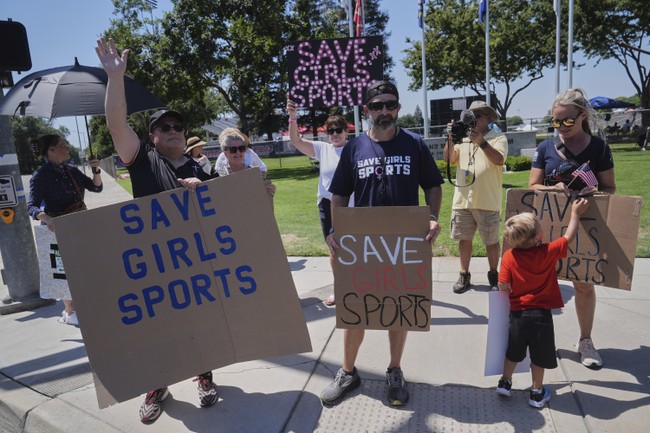
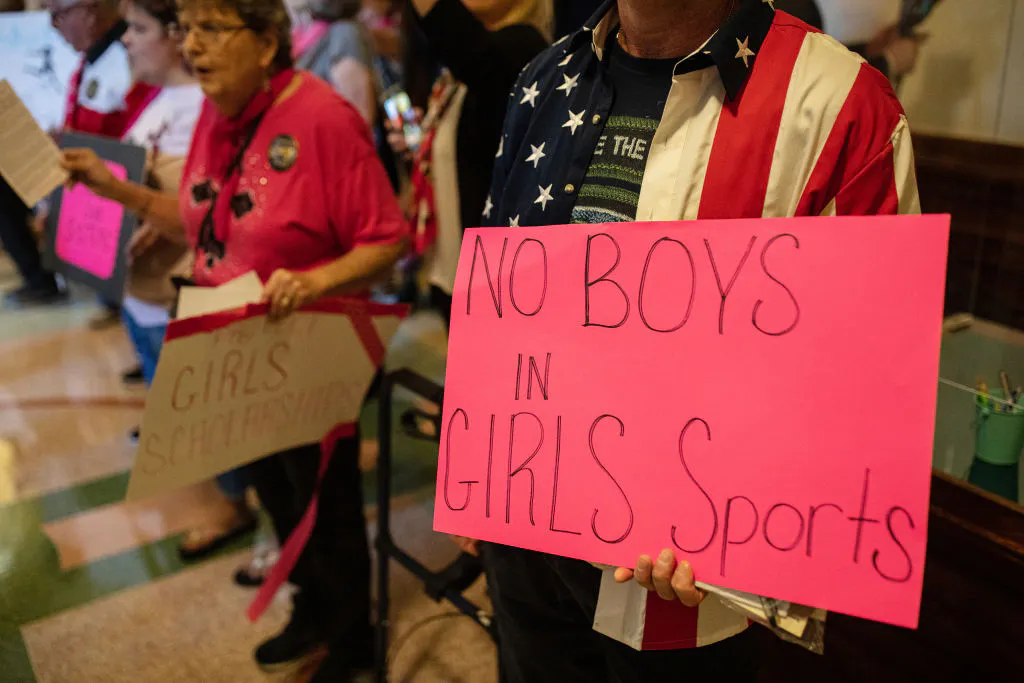
Four states will vote on November 3 on measures addressing participation in girls’ and women’s sports. Washington’s Initiative 638 and Colorado’s Proposition 134 would create statewide sex-based rules where neither state currently has such restrictions. Arizona’s Proposition 318 and Nebraska’s Initiative 442 would strengthen or extend rules already in place in those states.
Washington’s proposal would bar students defined as biologically male from girls’ K-12 interscholastic sports and require documentation verifying biological sex. Colorado’s measure would cover school and college athletics, including private institutions and school-sponsored club sports, while leaving schools to set verification policies. Opponents in both states warn of discrimination against transgender students and invasive checks; supporters dispute those concerns.
Arizona’s measure would extend existing public-school restrictions to private schools and athletic associations, add biological-sex rules for sports-related private spaces, and allow athletes to sue institutions that knowingly violate the law. Nebraska’s proposal would amend the state constitution to reserve female school teams, from K-12 through college, for biological females. The available description says it would apply to public schools and colleges.
Jennifer Sey, who leads the Colorado campaign, said passage in either Washington or Colorado could encourage similar efforts in other Democratic-leaning states. She also cautioned that a victory would not end disputes over enforcement. Market-implied odds cited for passage were 64% in Washington, 55% in Colorado and 82% in Arizona; no figure was provided for Nebraska.
Ballot Measures Put Trans Students’ Access at Risk
Four states are considering new or expanded restrictions on girls’ and women’s sports, with transgender students facing the consequences of rules that define eligibility by biological sex. Washington’s Initiative 638 and Colorado’s Proposition 134 would introduce statewide restrictions in states that currently lack them; Arizona and Nebraska would broaden or strengthen existing limits.
Washington’s measure would require documentation to verify biological sex for girls seeking to compete. In Colorado, schools would devise eligibility policies for public, charter and privately run schools, along with colleges. Opponents, including civil-rights groups and Planned Parenthood, argue that these policies risk discrimination and invasive checks. Colorado’s proposal does not specify how schools must verify eligibility, leaving that task to institutions.
Arizona’s measure would reach private schools and athletic associations, impose rules for access to sports-related restrooms and locker rooms, and permit lawsuits against institutions that knowingly breach the law. Nebraska’s proposed constitutional amendment would reserve female school teams for biological females. These measures are being presented as protections, but opponents say they place transgender students under suspicion and extend government control over school athletics.
Supporters say the rules protect fairness and privacy, and Jennifer Sey argues that passage in Washington or Colorado could prompt similar campaigns elsewhere. The measures therefore put a broader question before voters: whether states should impose sex-based eligibility rules or let existing school policies continue. In Washington and Colorado, a no vote would retain the current systems.
Voters Could Draw a Clear Line for Girls’ Sports
Voters in Washington, Colorado, Arizona and Nebraska have a chance on November 3 to establish or reinforce sex-based rules for girls’ and women’s sports. Washington and Colorado would move from locally set eligibility approaches to statewide restrictions; Arizona and Nebraska would expand protections already adopted in those states.
Washington’s Initiative 638 would bar biologically male students from girls’ K-12 interscholastic teams and require documentation to verify sex. Colorado’s Proposition 134 would cover school and college sports, including private institutions, while allowing schools to determine verification policies. Jennifer Sey, who chairs Colorado’s campaign, argues that these measures can set a clear boundary and provide recourse when rules are violated. She said a win in either state could spur similar ballot efforts elsewhere.
Arizona’s Proposition 318 would extend restrictions beyond public schools to private schools and athletic associations, set biological-sex rules for sports-related private spaces, and allow athletes to sue institutions that knowingly violate the law. Nebraska’s Initiative 442 would amend the constitution to reserve female school teams for biological females, from K-12 through college.
Opponents call the measures discriminatory and warn that they could lead to intrusive checks. Supporters reject that characterization, saying the rules protect fair competition and privacy. Sey has said the warnings about invasive examinations are not borne out in states that already have restrictions. The votes will test whether voters want consistent statewide standards or continued reliance on existing policies.
Reported by Fox News, The Blaze.